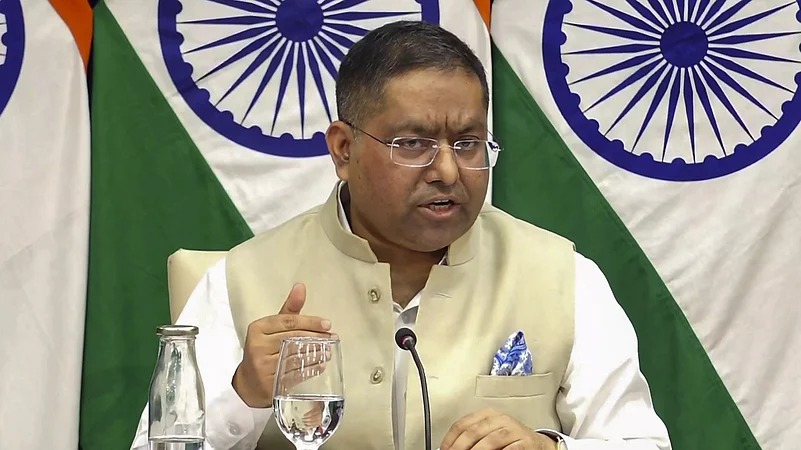
MEA called India's proposed FCRA amendments an internal legislative matter after criticism from US lawmakers
Spokesperson Randhir Jaiswal noted that several countries, including the US, regulate foreign funding
US Congressman Riley Moore has criticised the Bill over its potential impact on Christian organisations in India
The Ministry of External Affairs on Friday pushed back against criticism from US lawmakers over India's proposed amendments to the Foreign Contribution (Regulation) Act, saying legislation concerning India is an internal matter for Parliament and pointing out that several countries, including the United States, regulate the flow of foreign funds.
Responding to questions about international reactions to the Foreign Contribution (Regulation) Amendment Bill, 2026, MEA spokesperson Randhir Jaiswal said, "Legislative matters concerning India are our internal affairs on which decisions are taken by the Parliament of our country." He added, "There are several nations, including the United States, which regulate the flow of foreign funds."
The remarks came after US Congressman Riley Moore criticised the proposed legislation, arguing that it could disproportionately affect Christian organisations operating in India. Moore described the Bill as a "direct attack on Christians in India" and urged the US administration to raise the issue with New Delhi, saying religious freedom should remain central to the US-India relationship.
What The FCRA Bill Proposes
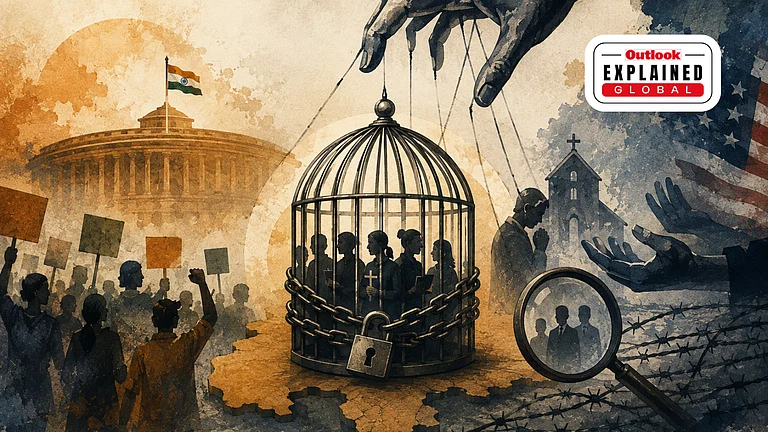
The Foreign Contribution (Regulation) Amendment Bill, 2026 seeks to tighten the regulatory framework governing foreign contributions received by individuals, associations and organisations in India.


The proposed changes include stricter conditions for registration and renewal, enhanced disclosure and reporting requirements, stronger monitoring of foreign funds and wider powers to suspend or cancel registrations. The government has said the amendments are aimed at improving transparency, accountability and preventing the misuse or diversion of foreign contributions.
The government has maintained that the proposed framework would apply uniformly to organisations and is intended to ensure that overseas funding is used for lawful purposes.
US Criticism And FCRA Backlash
Moore's criticism has added an international dimension to an already contentious parliamentary debate. He argued that the proposed restrictions could make it difficult for Christian ministries and humanitarian organisations to receive overseas support and called on Washington to raise the matter with India.
Rights groups have also opposed the proposed amendments. Amnesty International has argued that tighter restrictions could further constrain civil society organisations dependent on international funding, while critics in India have raised concerns about increased government oversight of NGOs.
The legislation has also become part of the broader confrontation between the government and Opposition during the ongoing Parliament session. The FCRA Bill has been among the contentious issues cited amid the continuing standoff over parliamentary business.
The MEA's response, however, framed the issue primarily as a matter of India's domestic legislative process, while highlighting that foreign funding is also regulated by other countries, including the US.