Romania shut down the second reactor at the Cernavodă nuclear plant after record-low Danube levels reduced the availability of cooling water.
The shutdown has intensified pressure on Romania’s power grid, with authorities increasing electricity imports and relying on alternative energy sources.
Low Danube levels are also affecting Hungary’s Paks nuclear plant and could leave Moldova facing costlier electricity imports or rolling power cuts.
Romania has shut down its sole nuclear power plant after record-low water levels in the Danube left the facility without enough cooling water, in a rare disruption caused by severe drought and heat.
State-owned Nuclearelectrica began a controlled shutdown of the second reactor at the Cernavodă plant on Thursday, after the facility's other reactor was taken offline last month. The plant normally generates about one-fifth of Romania's electricity.
Shutting the plant down was a catch 22 situation for Romania as it declared an electricity emergency throughout this month and have asked companies and residents to mitigate their power usage.
Why Did Romania Shut Down Its Nuclear Plant?
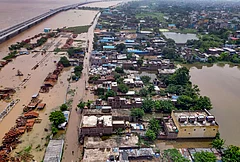
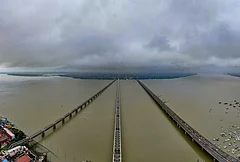
Europe has been scorching throughout the season, which dried up the Danube river. The river, which cools the plant, has fallen to record low levels.
The Cernavodă plant, which usually generates one-fifth of Romania's electricity, has been shut down just once before, in 2003, due to drought. The current shutdown places immense pressure on the national energy infrastructure.
Domestic hydropower capacity is also severely diminished by the ongoing drought. “We do not foresee a restart within the next ten days," the plant's director, Romeo Urjan, told the AFP news agency.



How Is Romania Coping With The Power Shortfall?
National grid operator Transelectrica is managing the resulting energy deficit. The operator is increasing electricity imports and relying on fossil-fuel reserves to maintain power stability. The Ministry of Energy said on Wednesday that it is relying on alternate sources like wind power, and appealed for ‘responsible consumption’.
The ministry warned that large industrial consumers may be restricted from consuming electricity in evenings. It said that the national power grid has a cross-border capacity of roughly 4,000 megawatts to enable electricity imports.
"All European operators know the regional energy crisis situations and are coordinating to ensure safety in supplying all the grids hurt by weather conditions," the ministry said.

Danube Crisis Also Threatens Hungary’s Nuclear Plant
Hungary has also been affected by Danube’s low levels, as its four nuclear reactors are also colled by the river. It has also reduced its output. Hungarian Prime Minister Peter Magyar on Wednesday said that he had ordered the construction of a submerged wall, or weir, to try to control flows near the plant.
Two barges, each measuring around 80 metres in length, are being positioned near the Paks nuclear facility as part of efforts to increase the river’s water depth. The vessels could be deliberately submerged to help raise the water level around the plant.
Paks typically supplies roughly one-third of Hungary’s electricity demand and has been operating at reduced capacity since the end of July amid the prolonged drought. The falling water level of the Danube, which is the second-longest river in Europe, has also disrupted commercial navigation along its approximately 2,850-kilometre course, which runs from western Germany to the Black Sea.

The reactor shutdown created an immediate challenge for Moldova, Romania’s neighbour to the east, which has also been affected by low river levels and depends on electricity from Romania to meet up to 60% of its power shortfall.
With electricity imports from Romania no longer available, Moldova may have to increase purchases from Ukraine, provided Kyiv is able to supply the power, turn to more expensive electricity from western countries, or introduce rolling power cuts.