DRC has recorded 4,449 confirmed Ebola cases and 2,061 deaths, with Ituri accounting for most infections and fatalities.
Contact tracing has crossed 85% nationally, but regional gaps, incomplete reporting and mistrust continue to hinder surveillance efforts.
Treatment centres in Ituri are saturated, while North Kivu and Haut-Uélé face shortages, putting further pressure on the response.
Health authorities in the Democratic Republic of the Congo (DRC) are tracking a growing share of people exposed to Ebola, but the epidemic in the country’s restive east continues to outpace their ability to find and isolate patients, the World Health Organization (WHO) has warned.
In its latest update, published Thursday, WHO said hidden chains of transmission were being fuelled by patients reaching advanced stages of the disease without receiving care.
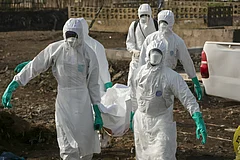
Deaths are still occurring outside health facilities and known transmission chains, while several treatment centres are now overwhelmed.
“Transmission is occurring faster than case detection and isolation, while contact tracing capacities are increasingly strained,” WHO said.
Spilling Outward
The outbreak remains heavily concentrated in Ituri province, which accounts for roughly 90% of cases and 80% of deaths.
The Bunia-Rwampara-Mongbwalu-Nizi corridor remains the main axis of spread, but transmission is also continuing in neighbouring North Kivu, while cases are rising in Haut-Uélé.
In all, 53 of 140 health zones across five affected provinces have now reported cases.
Congolese authorities reported 4,449 confirmed cases and 2,061 deaths as of Tuesday, giving the outbreak a fatality rate of 46%.



Only 886 patients have recovered.
The numbers put the outbreak on track to potentially become the deadliest Ebola epidemic ever recorded, surpassing the 2014 to 2016 West Africa outbreak, which killed more than 11,000 people among over 28,000 cases.

Tracing Gaps Persist
One indicator is improving, with the contact-tracing rate passing 85 per cent nationally for the first time.
But the average masks sharp regional gaps. In Haut-Uélé, the rate is only around 58 per cent, which WHO attributed partly to incomplete reporting.
Gaps also persist in alert reporting and the follow-up of confirmed cases, allowing patients to slip through surveillance and sustain transmission chains that authorities never detect.
Insecurity and community mistrust are compounding the problem, with some incidents delaying safe burial teams.
WHO said community trust was now central to the response and urged greater reliance on local leaders and trusted community networks to find cases and contacts, encourage early care-seeking and ensure safe burials.

Treatment Under Strain
Even when patients are found, treatment capacity is running short.
Several treatment and transit centres in Ituri are now “saturated”, WHO said. North Kivu lacks sufficient options to refer patients to specialised facilities, while none of the six affected health zones in Haut-Uélé has a treatment centre meeting required standards.
Response teams are also under pressure. WHO said delays in paying some response personnel had been reported in several affected zones, warning this “could affect staff motivation and the continuity of response activities, including community engagement and operations at entry and checkpoints”.
The challenge is now twofold, finding transmission chains still evading surveillance while urgently expanding capacity to treat those who are found.
Until case detection and isolation outpace transmission, better tracing alone will not be enough to turn the epidemic around.