



Sukhbir Singh Sandhu and Vivek Joshi objected at least 14 times to decisions concerning voter registration, deletion and restoration of names and electoral-roll data.
Their objections included the addition of a new declaration to Form 6 and concerns over the centralisation of the electoral-roll database and access to ECI technology.
The investigation reported that the disagreements centred on decision-making within the three-member poll panel and the management of electoral-roll systems.
Two of the three Election Commissioners — Sukhbir Singh Sandhu and Vivek Joshi — have formally objected at least 14 times over the past 10 months to decisions and orders taken by the Election Commission, according to an investigation by The Indian Express. The objections, which included concerns over voter registration, deletion and restoration of names and access to electoral-roll data, were made on record and, in several instances, the two Commissioners said the decisions had been taken without their knowledge.
The disagreements have come amid the Election Commission's nationwide Special Intensive Revision (SIR) of electoral rolls. The issue has also raised questions about how decisions are taken within the three-member poll panel and who has control over the technology used to manage voter data.
What Did The Two Election Commissioners Object To?
Form 6 is used by people applying to be registered as voters. According to The Indian Express, a new declaration was added to the form asking applicants about whether their name, or the name of a parent or grandparent, appeared in the electoral roll from the previous SIR.
Joshi objected to the change in May, arguing that the statutory form could not be altered without amending the relevant electoral-roll rules. Sandhu subsequently backed the objection and later described the change as “unauthorised” and “illegal”.


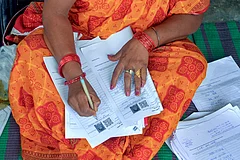


The objections were not limited to Form 6. Sandhu and Joshi also raised concerns over decisions involving the addition, deletion and restoration of names in electoral rolls, as well as appeals concerning deleted voters. The Indian Express investigation says their objections touched the core of the electoral process itself.
SIR is an exercise to verify and update electoral rolls. Because the process can result in names being added or removed from voter lists, the two Commissioners' concerns about how those decisions were being made became particularly significant.
The two Commissioners raised concerns about what they described as the “gradual centralisation of the electoral roll database”. They questioned whether Electoral Registration Officers — the officials legally responsible for preparing and maintaining electoral rolls — were getting adequate access to the systems needed to perform those functions.
Why Does The ECI’s Internal Disagreement Matter?
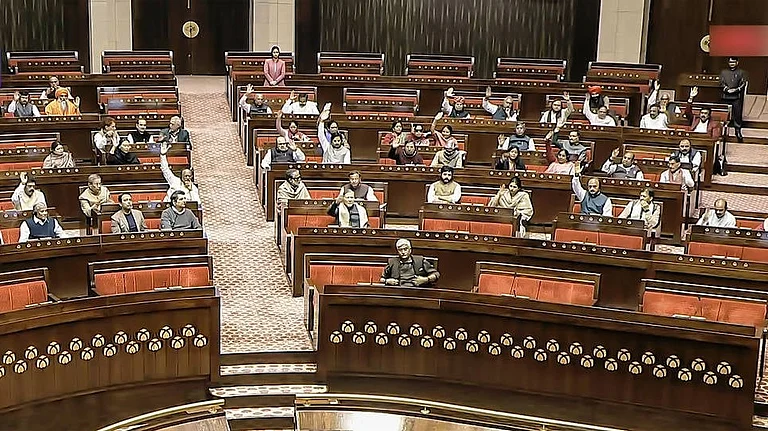
The Election Commission is a three-member constitutional body comprising the CEC and two Election Commissioners. The disagreement matters because the objections were not coming from outside critics or political parties — they were being raised by two members of the Commission itself. The Indian Express reported that the two Commissioners had put their objections on record repeatedly.
Electoral Registration Officers are responsible for preparing and maintaining electoral rolls. The Commissioners' concern was that increasing centralisation of the technology used for electoral rolls could restrict the ability of officials on the ground to perform functions assigned to them under law.

Sandhu and Joshi separately approached Cabinet Secretary T V Somanathan over changes concerning the ECI's IT division and raised concerns about the integrity and management of the systems handling electoral-roll data. They also raised concerns about communications being issued in the name of the Commission without what they considered the necessary approval.
The investigation therefore puts the focus not merely on a disagreement between three officials, but on how India's electoral rolls are managed and how decisions are taken within the constitutional poll panel. The investigation establishes that Sandhu and Joshi raised these objections; it does not establish that the allegations themselves are proven misconduct by Gyanesh Kumar or the ECI.














