SC judges said they would inspect NTA headquarters, systems, staffing and infrastructure.
Court stressed permanent staff and institutional reforms to prevent recurring paper leaks.
Nilekani-led panel is expected to submit its first interim report by September-end.
The Supreme Court on Friday said its judges would visit the National Testing Agency’s headquarters to assess whether the examination body has adequate infrastructure, permanent staff and functional systems in place.
“We will come there one day. Myself and my brother,” Justice PS Narasimha said while hearing petitions seeking the restructuring of the NTA. The bench also comprised Justice Alok Aradhe.
The remark came after Solicitor General Tushar Mehta informed the court that the agency now has a permanent office near Minto Road in central Delhi.
“We will come and see if the system is actually in place, whether it is working or not working, manpower, how is it,” Justice Narasimha said. Mehta responded: “We would be honoured.”
The bench stressed that creating a permanent institutional structure was essential to prevent recurring examination irregularities and paper leaks. It said temporary measures would not be sufficient to address the problems surrounding the conduct of the National Eligibility-cum-Entrance Test.
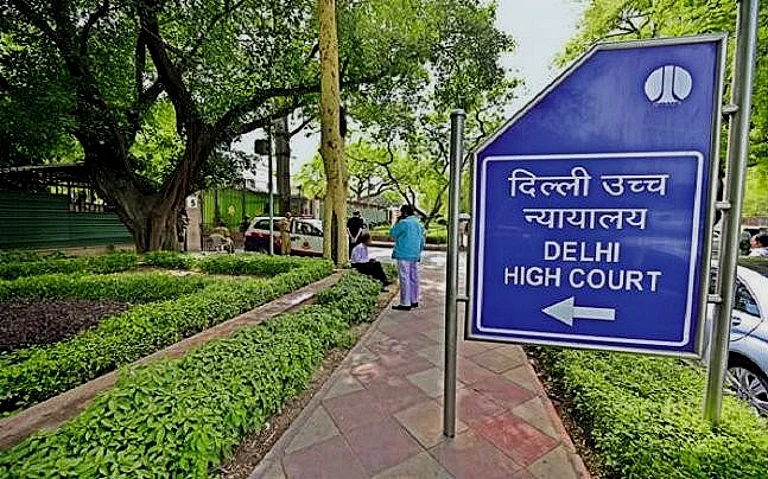
“You must know that permanency of the entire system is key. There should be a permanent setup, permanent staff, permanent verticals. Very less deputation should be there. Only then a permanent structure will come up,” the court told Mehta.



Justice Narasimha suggested that at least half of the NTA’s workforce should comprise permanent employees instead of personnel deputed from other departments. The court also raised questions about the agency’s coordination with other institutions, data-sharing arrangements and whether it required statutory backing.
The Centre informed the bench that the high-powered task force led by Infosys co-founder Nandan Nilekani had conducted extensive consultations and was likely to submit its first interim report by the end of September, PTI reported.
Mehta said the panel had considered the suggestions placed before it and consulted members of the earlier committee headed by former ISRO chairman K Radhakrishnan.
The bench, however, said the recommendations must result in concrete institutional changes instead of remaining confined to committee reports.
“Progress is one matter. What are the suggestions made? Most important is the institutionalisation of it,” the bench observed, according to Bar and Bench. It added that examining and implementing the recommendations was the most important part of the reform process.

The court directed the joint secretary in the Department of Personnel and Training, who is coordinating with the Nilekani panel, to file an affidavit within two weeks detailing the consultations held and progress made. The matter will be heard again after three weeks.
The bench was hearing petitions filed following alleged question-paper leaks and irregularities connected with NEET-UG 2026. The pleas seek changes including digital locking of question papers, a shift to computer-based testing and publication of centre-wise results to identify anomalies.
One petition filed by the Federation of All India Medical Association seeks the replacement or restructuring of the NTA. Another, moved by the United Doctors Front, calls for a statutory national testing body with stronger oversight and direct parliamentary accountability.