Keralam’s proposed 2026 Bill will set standards for elder-care centres, assisted living facilities, day homes and home-care agencies.
The state plans to train, certify and register caregivers while introducing safeguards against digital and financial fraud involving older people.
Keralam’s elderly population is projected to reach 25 per cent of the state’s population within the next decade, putting long-term care and ageing at home at the centre of the policy debate.
Keralam is ageing faster than most of India, and the state government now wants a law to determine how its elderly population should be cared for.
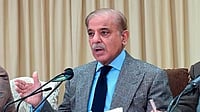
Chief Minister VD Satheesan on Tuesday reviewed the draft Keralam State Elderly Persons (Care and Protection) Bill, 2026, along with a proposed Policy for Elders, and directed officials to complete the remaining procedures at the earliest. The government says the legislation will establish standards for elderly care facilities, professionalise caregiving and create safeguards for older people.
The draft Bill and policy have not yet been made public. Here is what is known about the proposed legislation and why Keralam is pursuing it.
Why Keralam, And Why Now?
The state's elderly population is growing rapidly. According to population projections cited in Keralam's Elderly Budget for 2026-27, the number of people aged 60 and above is expected to double from 4.2 million in 2011 to 8.4 million by 2036.
In 2026, 18.7 per cent of Keralam's population is projected to be aged 60 or above, compared with 11.4 per cent nationally. The Reserve Bank of India has described Keralam as being at the forefront of India's demographic transition.




The working-age population is also projected to fall from 62 per cent in 2026 to 59.5 per cent by 2036. That means a shrinking proportion of earners will have to support a growing elderly population.

What About Their Health?
Ageing in Keralam also comes with a significant health burden.
The Longitudinal Ageing Study in India, based on a 2017-18 survey of more than 31,000 people aged 60 and above, found that 52 per cent of Keralam's elderly had two or more chronic conditions — the highest proportion among states, compared with 23 per cent nationally.
At the same time, Keralam performs strongly on treatment. Among elderly people diagnosed with hypertension, 91 per cent were receiving treatment.
The challenge, therefore, is increasingly not only diagnosing illness but providing long-term care to people living with chronic conditions.
What Will The Proposed Law Do?
The proposed legislation would regulate elderly care centres, assisted living facilities, day homes and home-care agencies, setting standards and establishing accountability.
A Keralam Geriatric Care Certification Framework is also proposed. Caregivers would receive specialised training, certification and background checks and be entered into a state-wide registry.
The Bill would create state- and district-level mechanisms for implementation, monitoring and grievance redressal. It is also expected to contain safeguards relating to the digital and financial security of elderly people.
A central principle is “ageing in place” allowing older people to remain in their homes and familiar communities for as long as possible, while ensuring professional care is available when required.
What Already Exists?
Keralam already has 16 government old age homes and around 680 institutions registered with the Orphanage Control Board. The state's Elderly Budget recorded 37,895 residents in such institutions in 2024-25.
There are also 95 Vayomithram mobile-clinic units and Sayamprabha day-care homes in 82 local bodies. Local governments are required to allocate 5 per cent of their development funds for elderly welfare and palliative care, while the social security pension is ₹2,000 a month.
The state has also announced Retirement Homes, envisaging age-friendly housing in every district with government regulation and monitoring.
Has Any Other Indian State Done This?
Tamil Nadu has prescribed minimum standards for old age homes run by voluntary organisations. Himachal Pradesh enacted its own law on maintenance of parents and dependants in 2001.
The central Maintenance and Welfare of Parents and Senior Citizens Act, 2007 allows parents who cannot support themselves to seek maintenance from their children and permits states to establish old age homes.
Keralam's proposed legislation goes further towards regulating the wider care sector and creating a trained caregiving workforce.
What Do Other Countries Do?
Countries have taken different approaches to elder care. Japan uses a long-term care insurance system, with contributions and government-supported care based on assessed needs. Singapore allows elderly parents to seek financial support from their children through a tribunal. The UK's Care Act 2014 places significant responsibility on local authorities to assess care needs and oversee the care market.
Keralam's proposal appears to combine elements of regulation, professional caregiving and support for ageing at home.
What Remains Unclear?
The biggest unanswered question is who will pay for long-term care. The government has not yet detailed whether services will be funded through insurance, subsidies, families or a combination of these.
It has also not clarified how the proposed law will interact with the Retirement Homes project or when the Bill will be placed before the Assembly.
For a state already ageing ahead of the rest of India, those details could determine how far the proposed framework goes beyond regulation — and how accessible elderly care ultimately becomes.