



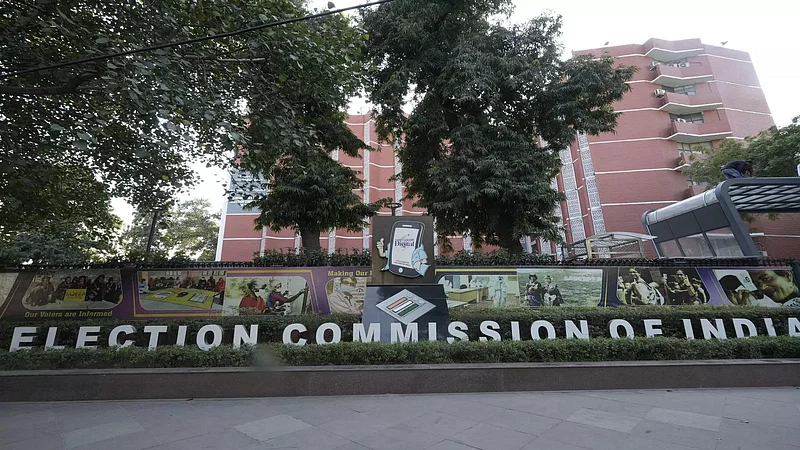
The ECI fixed a website vulnerability after Reuters alerted it to a flaw that could expose voters’ personal details and uploaded identity-document paths.
The issue involved the call-booking feature: form reference numbers and network data could reveal names, contact details, dates of birth, addresses and document paths.
Researchers said the predictable reference numbers could have allowed automated data collection, but Reuters could not establish whether the flaw had been exploited or how many voters were affected.
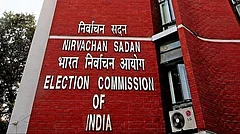
The Election Commission of India (ECI) has fixed a security flaw on its website that could have exposed voters’ personal details and uploaded identity documents, Reuters reported adding that the news agency's investigation into it has brought poll body's attention to it. Cybersecurity researchers who reviewed the issue said the weakness could have been used to retrieve data at scale.
The flaw was found in a feature that lets logged-in voters request a call from their local electoral officer.
The fix comes months before assembly elections in several states, including Uttar Pradesh, and amid scrutiny of the ECI’s handling of voter data.

How The Website Exposed Voter Details
Reuters’ review found that a voter requesting a call could see a reference number for an enrolment or voter-detail update form in the browser’s network tab. The tab is part of the browser’s developer tools.
Using that reference number to book a call caused the network data to display the user’s name, phone number, email address, date of birth and home address. It also revealed file paths to identity documents uploaded by voters, including passports. The information and document paths were not shown on the website’s main screen.


Indian security researchers Karan Saini and Ehraz Ahmed, who retraced the steps on the ECI website, said the exposure indicated a weakness in the site’s code.
They said the form reference numbers followed a predictable sequence, raising the possibility that someone could guess them and automate requests to collect data in bulk. The researchers said an ordinary user was unlikely to encounter the information while booking a call, but a person with basic coding knowledge could potentially exploit the pattern.
Uploaded Identity Documents Also At Risk
The reference numbers and exposed file paths could have enabled access to documents such as passports or national identity cards, the researchers said.
A Reuters reporter was able to download a copy of his own national identity card by following the steps. Saini said someone who understood how browsers request files from servers could use the disclosed paths to retrieve the documents.
“The server only appeared to check whether a user is logged in, not whether they’re authorised to see a particular document,” Saini said.
Ahmed called the existence of the flaw “shocking”. “I don’t know how they did not adapt to even basic security standards after so many developments in artificial intelligence and technology,” he said.
ECI Fixes The Flaw
Reuters said it sent its findings to the ECI and its three commissioners on October 26 and sought comment. On Thursday, an ECI spokesperson said the commission’s information technology division had been asked to examine the report.
Hours later, a Reuters review and the two researchers found that sensitive fields, including personal details and document file paths, had been redacted. The researchers said the change effectively prevented the data from being accessed through the method they had identified.
The call-booking feature in which Reuters found the flaw was introduced in June 2025. The commission’s website privacy policy says it makes “reasonable efforts” to protect data, while also stating that “no system can be guaranteed to be completely secure”.
Political And Privacy Concerns
Congress MP Pawan Khera described the findings as “deeply alarming”. He told Reuters that exposing voter information in an election setting could enable “targeted intimidation, profiling, voter suppression and the manipulation of vulnerable communities”.
Former election commissioner Ashok Lavasa said the lapse appeared to be unintentional. “You don’t collect all this information so that you can put it in the public domain,” he said.
Reuters reported that it could not determine whether the flaw had been exploited, whether data had been harvested or how many voters were potentially exposed. The ECI did not immediately respond to repeated requests for comment, according to the news agency. The BJP also did not respond to its request.
The ECI has faced previous scrutiny over its digital systems. Reuters noted that Saini had identified a separate vulnerability in the commission’s online voter search portal in 2019, which was fixed after media reporting.








