Air India flight AI2030 was diverted from its Frankfurt-Delhi route to Jaipur after a perceived hijack alert
The Boeing 787-9, registered VT-TSE, carried 306 passengers and crew members and was later cleared to continue to Delhi
Investigators are examining whether Mumbai ATC’s newly installed radar system triggered the false warning
A false hijack alert forced Air India flight AI2030 from Frankfurt to Delhi to divert to Jaipur on Wednesday, leaving 306 passengers and crew members stranded for hours. The aircraft was later cleared to continue its journey, but the cause of the scare remained unresolved as of Thursday.
Aviation and security agencies have opened a probe into the episode. Investigators are now examining a newly installed air traffic control radar system in Mumbai.
Even though crew members confirmed there was no emergency on board, controllers treated the warning as a precaution. The inquiry is looking at a possible technical issue on the ground, but no cause has been established.
Radar System Under Scanner
Investigators are focusing on Mumbai ATC.
According to The Times of India, the pilots of Air India flight AI2030 did not transmit transponder code 7500, which is the international signal for hijacking or unlawful interference. Yet Mumbai ATC’s newly installed radar system reportedly generated an alert pointing to a possible hijack involving the Boeing 787-9, registered VT-TSE.
The aircraft, VT-TSE, had previously operated under Vistara. After the warning appeared, Mumbai ATC contacted the flight crew, who reported that operations were normal and there was no emergency on board. Even so, aviation security protocol required the aircraft to divert to Jaipur as a precaution.


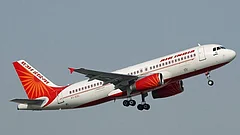
Mumbai ATC has been handling en-route traffic for Indian aircraft flying between Delhi and western destinations as disruptions to traditional routes have forced longer flight paths. Investigators are examining whether a malfunction in the new radar system triggered the false warning, though the exact cause is still not known.
Code 7500 Questions
Investigators have also raised the possibility that code 7500 may have been transmitted inadvertently from the aircraft. On a Boeing 787, pilots must manually enter the four-digit transponder code through cockpit controls, with each digit requiring a separate input.
Senior Boeing 787 pilots quoted by The Times of India called an accidental trigger a “one in a trillion” chance. They said the code has to be entered digit by digit, so no lone button can set off the alert by mistake. Senior air traffic controllers also said a 7500 transmission turns the radar target red and sets off an alarm. With no such signal reported from the cockpit, attention has shifted to the ground-based ATC system.
Jaipur Delay Details
The aircraft landed safely in Jaipur at around 11 am on Wednesday and was moved to a remote parking bay. Passengers and crew remained on board for about two hours before they were asked to disembark for mandatory security checks.
Security agencies screened those on board, inspected baggage and examined the aircraft before granting clearance. After the checks ended, passengers reboarded the aircraft. The flight was then cleared to leave for Delhi after 2.30 pm with the same crew.
Air India Statement
Air India confirmed the diversion.
“Air India flight AI2030 operating from Frankfurt to Delhi on Oct 14 was diverted to Jaipur following a perceived security concern. The aircraft landed safely in Jaipur. The relevant security agencies carried out the necessary checks and have cleared the aircraft and crew. All passengers disembarked, underwent security checks, and have since reboarded the aircraft. The flight is expected to continue its journey to Delhi shortly,” the airline said in a statement.
“Air India teams worked proactively with authorities to minimise passenger inconvenience. We sincerely regret the inconvenience caused to our passengers due to this unforeseen disruption and appreciate their patience and understanding. The safety and security of our passengers and crew remain Air India’s highest priority,” it added.
AAI Vacancies Raised
The incident has also revived governance questions.
The Airports Authority of India, which oversees air navigation services, has vacancies in key leadership posts. The post of Member (Air Navigation Services) has remained vacant for some time.
AAI is also reportedly functioning without a regular chairman, according to The Times of India. Those vacancies have raised broader questions over oversight of air traffic management operations.
DGCA Probe Continues
The cause remains unconfirmed.
As of the latest report available on October 15, 2026, the trigger for the alert had not been established. A technical anomaly in the ATC system remained a possibility that needed verification, not a confirmed radar malfunction.
According to Hindustan Times, India’s Directorate General of Civil Aviation is leading the investigation and was to examine the ATC system for a possible technical error.