The US reportedly encouraged Venezuela and Iraq to consider leaving OPEC
Washington allegedly blocked Venezuela from paying its annual membership dues, prompting Saudi intervention
Iraq's oil ministry persuaded its government to remain in OPEC and seek a higher production quota
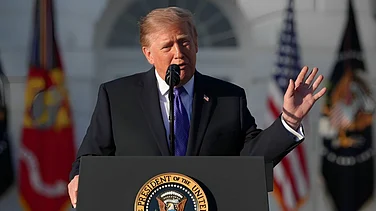
The Trump administration encouraged Venezuela and Iraq to consider leaving the Organisation of the Petroleum Exporting Countries (OPEC) earlier this year, in an effort to weaken the oil cartel's influence over global production, Reuters reported on Friday, citing people familiar with the discussions.
According to the report, US officials approached both governments separately. Washington allegedly prevented Venezuela from paying its annual OPEC membership dues, arguing that the money could be directed towards more urgent priorities. Saudi Crown Prince Mohammed bin Salman reportedly intervened to persuade the US not to press Caracas further.
In Iraq, Prime Minister Ali Faleh al-Zaidi reportedly raised the possibility of leaving OPEC during a government meeting after discussions with American officials. However, the country's Oil Ministry persuaded him to remain in the organisation and seek a higher production quota instead.
The US State Department acknowledged that lower-level officials may have discussed Venezuela's possible departure but said the issue had not been raised by senior officials. Regarding Iraq, it said discussions with Baghdad focused on improving energy infrastructure and increasing production, rather than leaving OPEC.

Venezuela's Oil And Washington's Leverage
The reported discussions come amid an expanded US role in Venezuela's oil industry. Under an executive order issued in January, revenues from Venezuelan oil and natural resources are held in designated US Treasury accounts, with their transfer and withdrawal subject to Washington's authorisation.

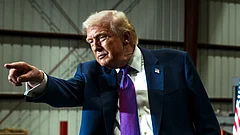
The US Treasury has also issued licences allowing selected international energy companies, including Chevron, Shell, BP and Repsol, to undertake specified oil and gas operations in Venezuela. President Donald Trump said in August that whether Venezuela should leave OPEC was up to the country, while highlighting increased American involvement in its oil sector.

Why Iraq's OPEC Membership Matters
Iraq and Venezuela were among the five founding members of OPEC, established in Baghdad in 1960 alongside Iran, Kuwait and Saudi Arabia.
Iraq has been seeking greater production flexibility and a higher quota. In January, its representative to OPEC, Mohammed al-Najjar, said the country wanted to increase its allocation beyond the 4.273 million barrels per day production ceiling then available to it. He also highlighted the need for investment in pipelines, storage and export infrastructure.
Both countries continue to participate in OPEC+ coordination. Their departure would therefore carry significance for an organisation that coordinates production decisions among major oil exporters.
The latest report comes ahead of the next OPEC+ meeting scheduled for November 29. While Washington's reported efforts have not been officially confirmed, they point to a broader attempt to expand American influence over oil production and challenge the collective leverage of OPEC members.