



Brent crude rises to $105.64 after Trump rejects Iran’s proposal to end the conflict and reopen Hormuz.
WTI crude climbs to $93.11 as Houthi attacks and US-Iran tensions keep oil supply risks elevated.
Middle East crude exports hit 12.8 million barrels per day despite continued regional attacks.
Oil prices rose more than 1% on Monday as the US-Iran conflict remained unresolved after President Donald Trump rejected an Iranian proposal to end the fighting and reopen the Strait of Hormuz, while attacks in the region continued to raise concerns over future supply disruptions.
Brent crude futures rose $1.32, or 1.27%, to $105.64 a barrel by 0036 GMT, while US West Texas Intermediate crude gained 70 cents, or 0.76%, to $93.11 a barrel.
The rise in oil prices came despite a recovery in crude exports from major Middle Eastern producers. Preliminary Kpler data showed exports reaching 12.8 million barrels per day in September, their highest level since the war began in February, with Saudi Arabia and the United Arab Emirates increasing shipments. The recovery in exports comes as geopolitical risks remain elevated across the region.
US-Iran talks remain uncertain
Iran presented a peace proposal at the UN General Assembly in New York last week, saying the plan had been conveyed to the US through Qatari mediators.
Trump said on Saturday that he had rejected the proposal. However, he told Axios in a phone interview on Sunday that he expected US negotiators to hold further talks this week.



"Geopolitical risks remain elevated, as the Houthis and Iran continued their attacks on Saudi Arabia, leaving regional supply flows vulnerable," ANZ analysts said in a note.
Yemen's Saudi-led coalition said early on Saturday that it had intercepted two ballistic missiles and two drones launched by Iran-backed Houthi forces towards Saudi Arabia.
Diesel exports add pressure to oil markets
Oil prices have also been affected by concerns over US diesel supplies. Brent rose 0.4% last week, while WTI fell 7.9% as markets considered the possibility that the US could restrict diesel exports to bring down record domestic prices.
Such restrictions could also curb US refining output and reduce the amount of diesel available to overseas markets.
"Refined oil products remain a pressure point, with record US diesel prices intensifying inflation risks and prompting renewed debate over potential export curbs," ANZ analysts said.
The analysts said any restriction on US diesel exports would tighten supplies outside the US, while European prices have already responded to the prospect of lower American shipments.
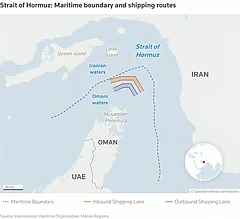
Hormuz shipments recover
Meanwhile, crude shipments through the Strait of Hormuz have recovered. Kpler data showed shipments through the waterway were set to reach about 7.4 million barrels per day in September.
Saudi Arabia has increased exports and shifted some shipments from the Red Sea port of Yanbu to its eastern Ras Tanura port after attacks damaged its East-West pipeline.
The increase in shipments through Hormuz has helped lift overall crude exports from key Middle Eastern producers to 12.8 million barrels per day this month. Saudi Arabia and the United Arab Emirates increased exports, according to preliminary Kpler data.















