Houthi forces have seized the strategic Yemeni port city of Mocha amid renewed fighting along the country’s western coast
The capture brings the Iran-aligned group closer to the approaches of the Bab el-Mandeb Strait, a major route linking the Red Sea with the Gulf of Aden
The Houthis do not control the strait itself, but their territorial gains could increase risks for shipping and energy flows through the region
Iran-aligned Houthi forces have seized control of the strategic Yemeni port city of Mocha on Thursday as they move closer to the Bab el-Mandeb Strait, one of the world’s most important maritime chokepoints.
The advance comes amid a sharp escalation in fighting between the Houthis and Saudi-backed forces supporting Yemen’s internationally recognised government. Four Yemeni government military sources told Reuters that the Houthis were nearing control of coastal areas including Mocha and Dhubab, which lie directly along the approaches to the strait.
The developments mark a major shift along Yemen’s western coast, where the Houthis already control much of the country’s north and most populous areas.

Why Mocha Matters
Mocha sits on Yemen’s Red Sea coast, close to the southern entrance to the Red Sea.

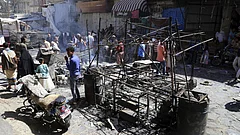


The Bab el-Mandeb Strait separates Yemen from Djibouti and Eritrea and connects the Red Sea with the Gulf of Aden and the wider Indian Ocean. At its narrowest point, the waterway is about 18 miles wide.
The route is vital for ships travelling between Asia and Europe through the Suez Canal, including vessels carrying oil, fuel and other commodities.
Control of territory around Mocha and Dhubab would give the Houthis greater leverage over shipping approaching the strait, even though they do not yet control the waterway itself. Reuters said the group was seeking to take over Yemen’s entire Red Sea coastline.
Houthi Advance
The latest gains follow days of intense fighting along Yemen’s western coast.
Houthi forces had pushed towards Mocha as fighting with Saudi-backed government forces intensified, with the conflict threatening to return Yemen to full-scale war after a fragile UN-brokered truce largely halted fighting in 2022.
Earlier this month, Yemeni military officials said government forces had fought to prevent the Houthis from taking control of roads linking Taiz and Mocha, underscoring the importance of the area to military and supply movements.
The renewed fighting is also taking place against the backdrop of the wider conflict between Iran and its regional opponents, adding another layer of risk to the Red Sea.

Global Shipping Risk
The Bab el-Mandeb is already considered one of the world's most sensitive shipping routes because Houthi attacks have previously forced commercial vessels to divert around the Cape of Good Hope.
Reuters said the strait is a major route for crude and fuel travelling from the Gulf towards the Mediterranean, as well as other commodities moving between Europe, Asia and the Middle East. Around 7% of global oil supply passes through the waterway, according to Reuters.
The Houthis' latest territorial gains therefore raise the prospect of renewed disruption to maritime traffic, particularly as Iran has already restricted shipping through the Strait of Hormuz amid the wider regional conflict.
Saudi Arabia has also come under direct pressure. Riyadh has carried out airstrikes against Houthi positions as the group has advanced, while Saudi-backed Yemeni forces continue to contest the western coast.
The capture of Mocha does not mean the Houthis control the Bab el-Mandeb Strait. But it puts the group substantially closer to the coastline and approaches surrounding the chokepoint, increasing the strategic and economic stakes of the fighting in western Yemen.