



Rubio raised national security concerns over Nvidia's China ties.
JD Vance disagreed, citing America's AI leadership.
Trump ultimately backed Huang's return as Nvidia CEO.
US Secretary of State Marco Rubio warned President Donald Trump about Nvidia CEO Jensen Huang months before Huang's controversial exit and eventual return. Rubio raised concerns that Nvidia was having a “malign influence” on US policy towards China.
A source close to the White House also told the New York Post that Rubio had a “personal dislike” for Huang. However, a US official said the secretary of state's concerns were based on national security.
Vice President JD Vance did not share Rubio's concerns. He believed Huang was important to keeping the US ahead in artificial intelligence. Rubio raised his concerns before reports emerged about Huang's relationship with Alice Huang, a former executive at Singapore-based Megaspeed International, who is suspected of having links to Chinese intelligence.
“Rubio was solely concerned with the national security risks,” the official said. The official added that Commerce Secretary Howard Lutnick “did not want to handcuff Nvidia in any way.”
“It was the president’s call,” the official said, referring to Trump's decision to push Nvidia's board to bring Huang back as CEO.

Rubio And Vance Differed Over Huang's Role In US-China Ties
The disagreement between Rubio and Vance was because of two different priorities. Rubio was focused on the security risks of US technology reaching to China, and Vance saw Huang as key to keeping America ahead in artificial intelligence.
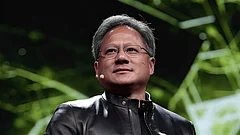


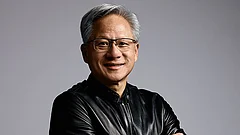
“Marco views this as an arms-control-type issue, JD views this as an AI leadership issue,” a source close to the White House told the NYP.
Meanwhile, the US Commerce Department added Megaspeed to its blacklist on Monday. The Justice Department is separately investigating allegations that the company smuggled Nvidia chips into China.
Rubio had raised the issue with Trump as early as May, during a briefing on Air Force One while the president was on his way to China. He was concerned that Nvidia's business interests and Huang's influence could affect Washington's approach to Beijing.
Those concerns had also appeared in a memo prepared under Rubio's supervision in March. According to an administration official, the document was shared with several Cabinet members and questioned Alice Huang's alleged links to the Chinese government.








