Prime Minister Narendra Modi held 15 bilateral meetings with heads of state and government during the three-day BRICS Summit in New Delhi.
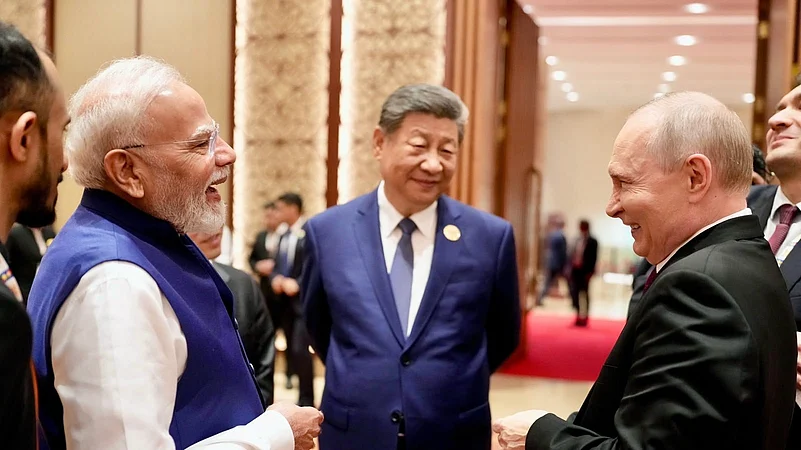
His talks with leaders including Vladimir Putin, Xi Jinping, Masoud Pezeshkian and Anwar Ibrahim covered defence, energy, trade, semiconductors, infrastructure and regional security.
The formal meetings were supplemented by informal interactions with other world leaders and leaders of international institutions on the sidelines of the summit.
Prime Minister Narendra Modi held 15 bilateral meetings with heads of state and government over the past three days on the sidelines of the BRICS Summit in New Delhi, according to government sources. The meetings were in addition to several informal “pull-aside” interactions with world leaders and heads of international institutions.
Which World Leaders Did PM Modi Meet At The BRICS Summit?
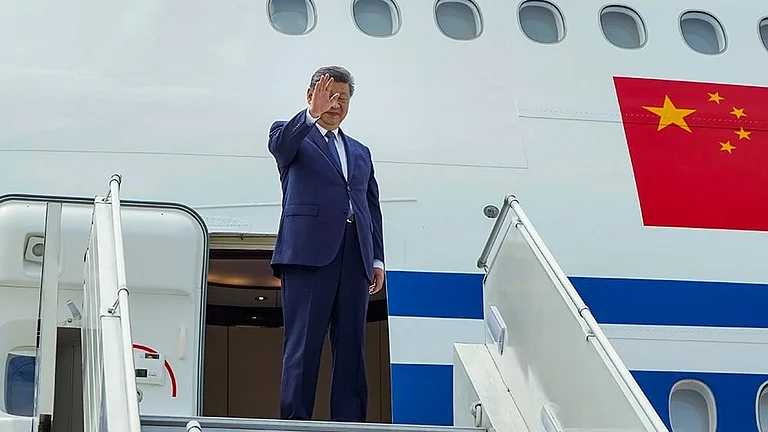
Modi's bilateral schedule brought together leaders from major powers and key regional partners. He met Putin to review India-Russia cooperation in areas including defence, energy, space, trade and industrial ties, while his meeting with Xi was closely watched amid efforts to stabilise India-China relations.
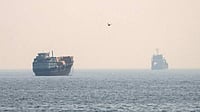
Modi also met Iranian President Masoud Pezeshkian, with the two leaders discussing bilateral ties and developments in West Asia, including the need to protect freedom of navigation and the safety of seafarers. He also held talks with Abu Dhabi Crown Prince Mohamed bin Zayed Al Nahyan.
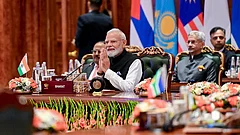


Other bilateral meetings included those with Malaysian Prime Minister Anwar Ibrahim, Vietnamese Prime Minister Le Minh Hung, Indonesian President Prabowo Subianto, Egyptian President Abdel Fattah El-Sisi, Philippines President Ferdinand Marcos Jr and Ethiopian Prime Minister Abiy Ahmed, among others.

What Did Modi Discuss With The World Leaders?
The discussions covered India's strategic, economic and regional priorities, including defence and security, trade and investment, energy, semiconductors, infrastructure, connectivity and regional conflicts.
With Russia, for example, the discussions covered defence, energy, space, industrial and trade cooperation. With Iran, Modi talked about West Asia, diplomacy, freedom of navigation and safety of seafarers. With Malaysia, Modi discussed trade, investment, defence, semiconductors, infrastructure, digital economy, energy and fintech.
The government said the formal bilateral meetings were supplemented by several pull-aside interactions with other world leaders and international institutions, highlighting the diplomatic activity around India's BRICS presidency.
External Affairs Minister S Jaishankar shared a photograph of himself with several foreign ministers and said, “Met many colleagues formally during BRICS India 2026. And as you can see, some more informally.”
Modi highlighted India’s focus on Resilience, Innovation, Cooperation & Sustainability - advancing practical, people-centric solutions across health, technology, agriculture, skills, MSMEs, clean energy and climate action, while ensuring that BRICS solutions serve the wider Global South. He underscored that BRICS’ diversity should remain its identity, cooperation its inspiration, and its progress serve the cause of humanity.
Modi said, meanwhile, that the New Delhi Declaration, adopted unanimously at the 2026 BRICS Delhi Summit, reflects the confidence of a BRICS that is wider in reach and stronger in purpose.
“With a focus on innovation, sustainability, people-to-people ties and more, the endeavour is to make cooperation more practical, development-oriented and responsive to the aspirations of the BRICS nations,” he said.