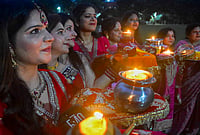
India's festive season is known for its lights, traditions, and spiritual celebrations. Among the many festivals celebrated across the country, Diwali and Dev Deepawali hold a special place in Hindu culture. Both festivals are associated with lighting diyas, offering prayers, and celebrating the victory of good over evil. However, despite their similarities, they have different religious significance, traditions, and dates.
While Diwali is celebrated with great enthusiasm in homes across India, Dev Deepawali is particularly famous in Varanasi, Uttar Pradesh, where thousands of earthen lamps illuminate the ghats of the River Ganga. But what makes these two festivals different, and why are they celebrated separately?
What Is Diwali and Why Is It Celebrated?
Diwali, also known as Deepavali, is one of the most widely celebrated Hindu festivals. The word Deepavali comes from Sanskrit and means a row of lamps. The festival symbolizes the victory of light over darkness and good over evil.
In many parts of India, Diwali marks the return of Lord Rama, Goddess Sita, and Lakshmana to Ayodhya after fourteen years of exile and Lord Rama's victory over Ravana. According to the Ramayana, the people of Ayodhya welcomed them by lighting earthen lamps throughout the city.
Diwali is also associated with Goddess Lakshmi, who is worshipped for wealth, prosperity, and good fortune. Families clean and decorate their homes, create colorful rangoli designs, light diyas, exchange sweets, and gather for prayers.


The festival falls on the Amavasya, or new moon day, of the Hindu month of Kartik, usually in October or November. For many families, it is not just a religious occasion but also a time to reconnect with loved ones and welcome new beginnings.
What Is Dev Deepawali?
Dev Deepawali, also known as Dev Diwali, is celebrated on Kartik Purnima, the full moon day of the Hindu month of Kartik. It usually takes place around fifteen days after Diwali and is especially famous in Varanasi, one of India's oldest and holiest cities.
The name Dev Deepawali means the Diwali of the Gods. According to Hindu tradition, the occasion is associated with the gods celebrating Lord Shiva's victory over the demon Tripurasura. The festival also highlights the spiritual importance of the River Ganga.
Unlike the household celebrations commonly associated with Diwali, Dev Deepawali is best known for the spectacular illumination of Varanasi's riverfront. Thousands of diyas are placed along the ghats, temples, and steps leading to the Ganga, creating a breathtaking sight after sunset.
Devotees gather to offer prayers, witness the Ganga Aarti, and take part in religious rituals. The festival attracts pilgrims and tourists who come to experience the city's unique spiritual atmosphere.
Diwali vs Dev Deepawali: What Makes Them Different?
The biggest difference between Diwali and Dev Deepawali is the day on which they are celebrated and the religious traditions associated with them.
Diwali falls on the new moon day of Kartik, while Dev Deepawali takes place on the full moon day, approximately fifteen days later. Diwali is widely connected with Lord Rama's return to Ayodhya and the worship of Goddess Lakshmi. Dev Deepawali, on the other hand, is associated with Lord Shiva's victory over Tripurasura and the divine significance of Kartik Purnima.
Their celebrations also have different focuses. During Diwali, families decorate their homes, perform Lakshmi Puja, exchange gifts, and celebrate with relatives. Dev Deepawali is particularly known for lighting thousands of lamps along the Ganga and attending special religious ceremonies in Varanasi.
Although both festivals share the tradition of lighting diyas, the stories and customs behind them give each celebration its own identity.
Why Is Dev Deepawali So Special in Varanasi?
Varanasi transforms into a spectacular sea of lights during Dev Deepawali. The city's famous ghats glow with thousands of earthen lamps, while temples and riverfront buildings are illuminated for the occasion.
As evening falls, devotees gather along the Ganga to witness the grand aarti and offer prayers. The sight of lamps reflecting on the river under the full moon makes the festival particularly memorable.
For locals, Dev Deepawali is a deeply spiritual occasion. For visitors, it offers an opportunity to experience the religious traditions and cultural heritage of Varanasi. Due to the large crowds, people planning to visit are advised to arrange accommodation early and check local travel and safety guidelines.
Can Diwali and Dev Deepawali Be Celebrated Together?
Yes, both festivals can be celebrated during the same festive season. Diwali brings families together through prayers, decorations, and joyful gatherings, while Dev Deepawali offers another opportunity to express devotion and participate in sacred traditions.
Many visitors plan their trips around Dev Deepawali to witness the illuminated ghats of Varanasi and experience the city's spiritual atmosphere.
Diwali and Dev Deepawali may appear similar because both celebrate light and faith, but they have distinct meanings and traditions. Diwali is widely associated with Lord Rama's return to Ayodhya and prayers for prosperity, while Dev Deepawali celebrates the divine traditions of Kartik Purnima and Lord Shiva's victory over Tripurasura.