Duane Davis was convicted in August for the murder of Tupac Shakur.
Shakur was gunned down in 1996.
The murder mystery has remained unsolvable for decades.
Closing a 30-year cold case, ex-gang chief Duane "Keffe D" Davis has been sentenced to at least 40 years behind bars for organizing the 1996 murder of Tupac Shakur. The 63-year-old's first-degree murder conviction heralds a historic resolution to one of the most famous homicide investigations in music history. Arrested in 2023 on a murder charge, Davis reportedly has 731 days of credit for time already served toward his sentence. On August 31, the former Compton gang boss was handed a first-degree murder conviction for organizing the 1996 Las Vegas Strip ambush that killed the rapper.
Tupac Shakur Homicide Details
During the hearing, Shakur’s sister, Sekyiwa “Set” Shakur, talked about the loss her family has carried for nearly three decades. “This man’s life mattered,” she insisted to the court. At just 25 years old, hip-hop icon Tupac Shakur suffered fatal injuries during a Las Vegas drive-by shooting on September 7, 1996, while riding in an SUV alongside Death Row Records co-founder Marion "Suge" Knight. Shakur succumbed to his wounds six days later. Although Davis was ultimately convicted for his role as the alleged mastermind behind the ambush, prosecutors never named the actual shooter, leaving the ultimate identity of the gunman unresolved as Davis prepares to appeal.


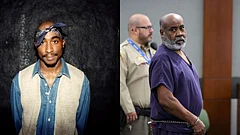


“For three years, I’ve heard you say some variation of the same thing … ‘Yeah, I was involved in this. But I’m different. I’ve moved on. I got out of Compton. I’m a grandfather now,’” Judge Carli Kierny said during the hearing as she pronounced the sentence.
“You don’t get to take a man from his family. You don’t get to take his very life, his whole future from him and just walk away from it,” Kierny added.
For nearly thirty years, the murder investigation remained inconclusive until law enforcement indicted former South Side Compton Crip leader Davis, who had previously boasted about his involvement in media interviews and a 2019 book.
In his memoir, Davis recounted sitting in the Cadillac, handing a firearm to a rear-seat passenger, and carrying out the hit to avenge an assault on his nephew by Tupac's crew hours prior. Relying on his recorded interviews and statements to filmmakers, state attorneys argued he arranged the assassination and provided the gun, whereas the defense countered that no tangible forensic evidence tied him to the scene, dismissing his past accounts as financial opportunism.