Mohan Bhagwat: Insightful Biography, authored by Dr Harvansh Chawla, Karina Chawla and Ojjus Chawla, examines the dimensions of Mohan Madhukar Bhagwat’s leadership, the sixth Sarsanghchalak of the Rashtriya Swayamsevak Sangh (RSS), by delving on the ideology that shaped his public journey.
Published in September 2026, the 248-page biography traces Bhagwat’s journey from his early life in Chandrapur, Maharashtra, to his emergence as the head of one of India's most influential socio-cultural organisations. Drawing on his personal trajectory and public positions, the book seeks to understand the philosophy, discipline and institutional responsibilities associated with his leadership.
Bhagwat's journey offers a distinctive perspective on the relationship between professional training and public service. Educated in veterinary sciences and animal husbandry at Nagpur, he left his postgraduate studies to become a full-time RSS worker in 1975. His subsequent responsibilities across Maharashtra, followed by his tenure as the organisation's general secretary from 2000 to 2009, prepared the ground for his appointment as Sarsanghchalak in March 2009. The biography places this progression within the broader context of organisational commitment and leadership development.
A central theme of the book is the relationship between individual conduct and institutional leadership. It highlights simplicity, discipline, collective responsibility and public service as defining elements of Bhagwat's approach within an organisational framework, appealing to younger readers seeking perspectives on responsibility,
The biography further explores questions of Indian culture, national identity and social cohesion. Its discussion of the RSS's cultural outlook brings attention to the ideas of national unity, the dignity of labour, the use of mother tongues and social harmony. The foreword by Dr Bal Mukund Pandey reinforces these themes, particularly the emphasis on simplicity, transparency and an inclusive understanding of society. The book also considers the relationship between tradition and modernity, a question that continues to shape debates about India's cultural and social evolution.
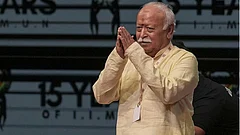

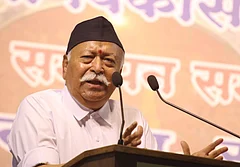
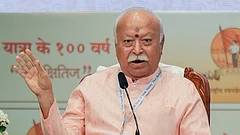

The authors bring complementary perspectives to this subject. Dr. Harvansh Chawla contributes his experience in law, corporate governance and institution-building, while Karina Chawla's legal background and Ojjus Chawla's emerging perspective add generational dimensions to the discussion. Together, they approach Bhagwat's public life through the intersecting lenses of institutions, culture and contemporary society.
Readers interested in the RSS, contemporary Indian leadership and the interplay between cultural identity and modern institutions may find it a useful introduction.
Ultimately, Mohan Bhagwat: Insightful Biography is an exploration of leadership as both personal commitment and institutional responsibility. By bringing together biographical milestones, ideological themes and reflections on social values, the authors offer readers a framework for examining a consequential public figure and the organisation he leads. It is particularly relevant for those seeking to understand the ideas, motivations and leadership philosophy that inform Bhagwat's public role in contemporary India.