



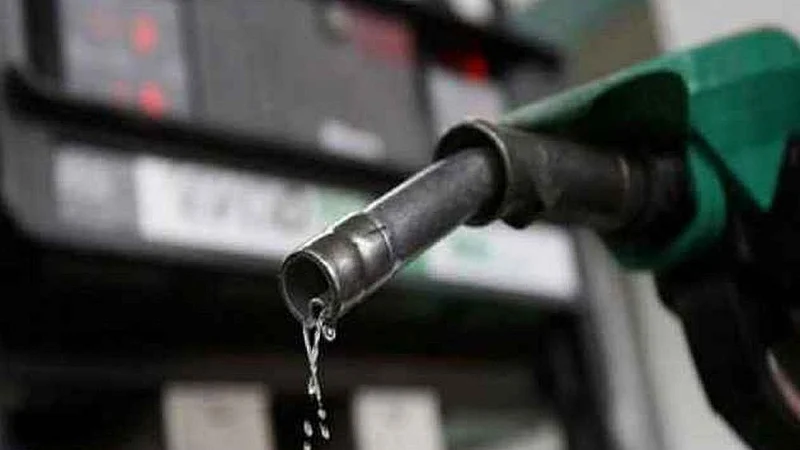
Suresh Gopi questioned Karnataka’s testing of ethanol levels in petrol and said reported 27 and 28 per cent readings were unacceptable
He raised doubts over how the fuel samples were collected and asked whether they were taken directly from refineries
The Union Minister said petrol passes through transport and storage stages before reaching consumers and oil companies must follow Union government regulations
Union Minister of State for Petroleum and Natural Gas Suresh Gopi on Monday challenged Karnataka’s checks on ethanol content in petrol and brushed aside worries over E20 fuel. He said cleaner-fuel targets must stay anchored in science and regulatory rules.
Reports said Karnataka government tests had found ethanol content above the prescribed level. Gopi said reported levels of 27 and 28 per cent were “unacceptable” and raised doubts over how the samples were collected.
Testing Method Questions
Gopi questioned the sampling process.
He asked whether the fuel samples had been collected directly from refineries. He said petrol moves through several stages before it reaches consumers, including transportation and storage in underground tanks at retail outlets.
“We are not rejecting the possibility of checking other systems. Fuel is transported and stored in underground tanks at retail outlets. We have not installed cameras there or sealed those facilities,” he told reporters, according to PTI.
He said oil companies had to follow Union government rules and policy. Officials also carried out regular checks to make sure the fuel met the required standards.
Cleaner Fuel Push
Gopi said the issue should not be politicised.
He said India had an international responsibility to meet its environmental commitments and move towards cleaner sources of energy. He linked ethanol blending to a wider shift away from fossil fuels and towards lower-emission options.
“Why is this being brought up now? We have already started running a hydrogen-powered train. The transition from fossil fuels to new energy sources, including hydrogen, is a scientific necessity,” he said.
Gopi said ethanol blending aims to cut the harm caused by burning fossil fuels and support environmental sustainability. Pointing to Paraguay and Brazil, where blending levels are much higher, he said the programme fits a wider move towards alternative fuels.
Future Blending Limits
Gopi said higher blending is possible later.
He said India’s ethanol blending level could rise to 30 or 40 per cent in future, but only in line with scientific assessments and regulatory requirements. He also addressed concerns that consumers were being forced to use E20 petrol, saying there was no compulsion and that people had choices.
Asked about the Keralam government’s decision to test petrol samples, Gopi said the state had every right to carry out such examinations. He added that authorities were responsible for ensuring compliance with scientific standards.
“We have our own material and will submit our test reports. Then we can see in court,” he said.
Gopi maintained that ethanol blending supports the shift to cleaner fuels. At the same time, he said any increase in blending levels must follow scientific and regulatory requirements, while states remain free to test fuel samples.








