Supreme Court suggested appointing a former high court chief justice to head a panel on retired judges’ benefits.
The court raised concerns over differences in facilities provided by states to retired high court judges.
The bench discussed support for security personnel, drivers, medical reimbursement and accommodation.
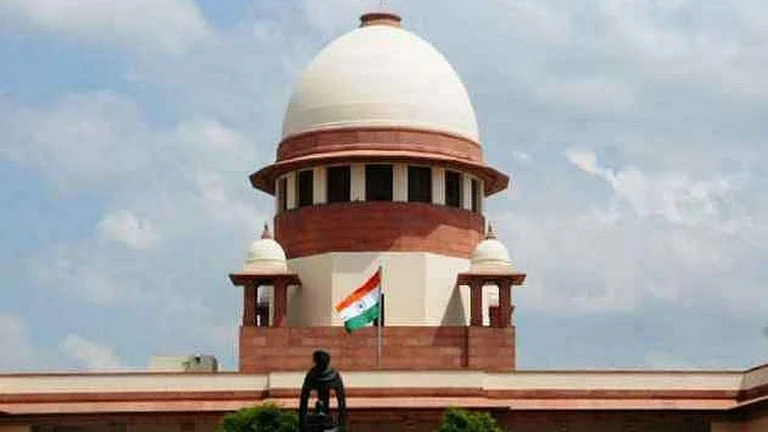
The Supreme Court on Thursday suggested that a former chief justice of a high court should lead a proposed panel that will work on creating a uniform national policy for post-retirement benefits and facilities available to retired high court judges.
The suggestion came after Solicitor General Tushar Mehta and Additional Solicitor General Aishwarya Bhati, appearing for the Centre, informed a bench headed by Chief Justice of India Surya Kant that the government had decided to set up the committee in compliance with an earlier court direction.
Centre, additionally, told the court that a former secretary-level officer had been appointed to head the panel. Responding to this, Chief Justice Surya Kant suggested that a former high court chief justice would be more appropriate for the role.
“I think a former chief justice of a high court should preside over the committee,” the CJI observed.
Solicitor General Mehta agreed with the suggestion and informed the bench that the Centre would revisit the composition of the committee and update the court on September 28.
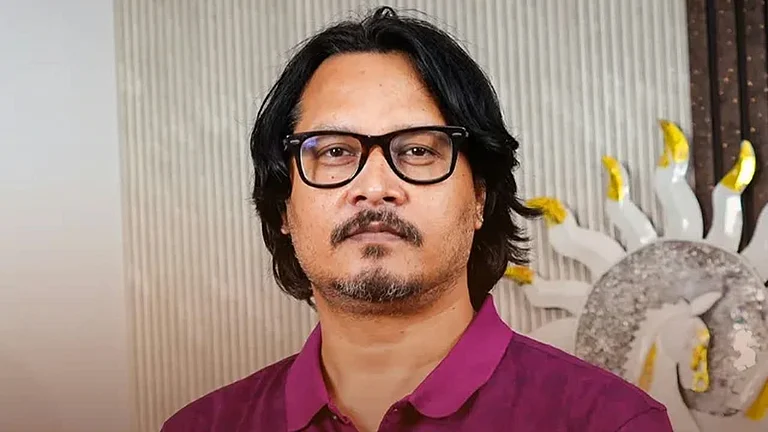
The matter was being heard in a contempt petition filed by Justice VS Dave, president of the Association of Retired Judges of the Supreme Court and High Courts. The petition raises concerns regarding security arrangements and other post-retirement facilities provided to former judges.


During the hearing, the bench questioned whether the financial assistance offered by some states was adequate for retired judges to hire essential support staff, including security personnel and drivers.
“In Rs 45,000-50,000, is it possible to get a driver and a security officer?” Chief Justice Kant asked.
The bench noted that retired judges receive different benefits depending on the state where they served, leading to significant variations in access to facilities. The court observed that there was no common standard governing benefits such as domestic help, transport support, telephone facilities, medical reimbursement and retention of government accommodation.
The CJI suggested that the Centre should frame broad national norms and consider mechanisms such as matching grants to ensure greater consistency across states.
“If you don’t do it, I will have to constitute one,” Chief Justice Kant told Solicitor General Mehta while stressing the need for a uniform approach.
Mehta informed the court that the government was willing to constitute a committee and would examine the matter in the manner indicated by the bench.
In its order, the three-judge bench comprising Chief Justice Surya Kant and Justices Joymalya Bagchi and V Mohana recorded that the proceedings relate to post-retirement facilities available to retired chief justices and judges of high courts.
The court said the absence of uniformity in these benefits had prompted the Association of Retired Judges to first raise the matter with authorities and later approach the judiciary.
“Basic facilities like domestic help, driver, telephone, medical reimbursement, stay in government houses, etc., vary from state to state,” the bench noted.
The Supreme Court is now expected to consider the revised composition of the proposed committee when the matter comes up for hearing on September 28.