Indian Ambassador to the US Vinay Mohan Kwatra has addressed criticism surrounding the proposed FCRA Amendment Bill, 2026
Kwatra said the legislation does not ban foreign donations or target organisations based on religion, community or ideology
His comments come amid criticism from US lawmakers, including Congressman Riley Moore, over the Bill's potential impact on religious organisations
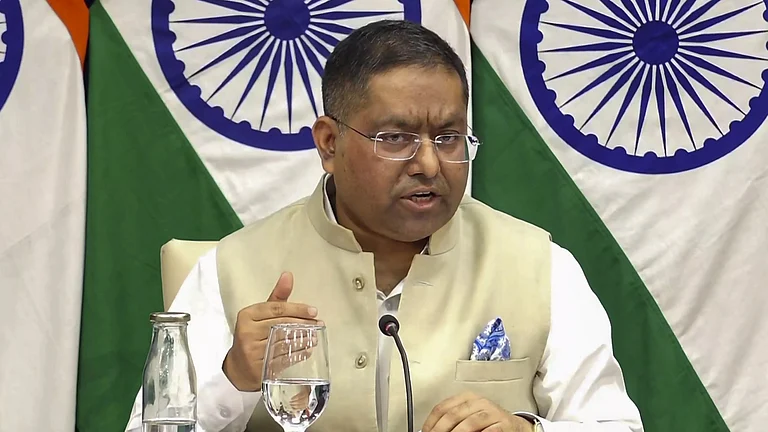
Amid growing debate and concerns over the proposed Foreign Contribution (Regulation) Amendment Bill, 2026, Indian Ambassador to the US Vinay Mohan Kwatra has sought to counter what he called “misunderstandings” surrounding the legislation.
In a series of posts on X (formerly Twitter), Kwatra laid out a “Myth vs Reality” check, arguing that the proposed changes are aimed at improving transparency and governance of foreign funding rather than restricting lawful civil society organisations.
"Myth: India is framing a new law to cut off foreign aid to civil society. Truth: Regulation of foreign financial flows in public and political spaces is a sovereign step driven by national security concerns...," his post read.
Kwatra’s comments came after the Ministry of External Affairs (MEA) had pushed back against criticism from US lawmakers over India's proposed amendments to the Foreign Contribution (Regulation) Act.
He said that India welcomes genuine international partnerships and has always provided a legal framework within which such contributions can be received and utilised.



What Did Kwatra Say About The FCRA Bill?
Kwatra said the FCRA does not prohibit foreign donations or shut down lawful civil society organisations. He noted that the regulation of foreign financial flows in public and political spaces is a sovereign step driven by national security concerns.
“Tens of thousands of associations are registered under the FCRA and routinely receive foreign funds for health, education, disaster relief, research and humanitarian work,” he said.
He further noted that foreign money inflows into India have been rising, not falling. Foreign contributions to registered organisations grew from roughly $1.2 billion in 2010–11 to $2.67 billion in 2024–25. The FCRA simply requires three things from NGOs: register, receive the money through the laid-down process, and report what they did with it.

What Does The Bill Say About NGO Assets?
Critics have raised concerns about the assets of NGOs, religious charities, places of worship, hospitals and schools. Kwatra said that the provision concerning foreign-funded assets is not entirely new.
He said that when a registration is cancelled or surrendered, foreign contributions and the assets created from them already vest in a state government authority. This has been in force since 2010.

The 2026 Bill adds a designated authority to safeguard those assets — and a way back. If the organisation restores its registration, all assets and unused funds are returned in full. Places of worship carry their own protection.
Where a cancelled association has created property connected to a place of worship, that property goes to another FCRA-registered association of the same faith to ensure continuity of worship.
Does The FCRA Bill Target Any Religion?
Kwatra has clarified that the Act applies uniformly to all organisations regardless of religion, community or ideology. Faith-based welfare activities, including religious education, maintenance of places of worship, and charitable work by organisations of every faith, continue to be eligible for foreign funding.
The comments come days after criticism from US lawmakers over India's proposed amendments to the Foreign Contribution (Regulation) Act. US Congressman Riley Moore criticised the proposed legislation, arguing that it could disproportionately affect Christian organisations operating in India. Moore described the Bill as a "direct attack on Christians in India".

.png?auto=format%2Ccompress&fit=max&format=webp&w=376&dpr=2.0)