



A Delhi court has allowed US national Matthew VanDyke and six Ukrainian nationals to travel to the US and Ukraine for a month while the NIA’s investigation under the UAPA remains open; the agency’s first chargesheet invoked immigration offences rather than UAPA provisions
Indian law separately covers conspiracy linked to terrorist acts and the organisation of terrorist training camps, under Sections 18 and 18A of the UAPA
US and UK law take different routes to alleged terror training: the US has specific offences covering material support to designated foreign terrorist organisations and receipt of military-type training from them, while UK law separately criminalises training for terrorism and attendance at places where terrorist training is taking place, including overseas conduct in specified circumstances
On Thursday, a Delhi court allowed VanDyke and the six Ukrainians to travel to the US and Ukraine for one month, subject to conditions. The order came after the NIA's first chargesheet invoked only Sections 21 and 23 of the Immigration and Foreigners Act, 2025, while the agency said its investigation into possible UAPA offences remained open. All seven had initially been booked under Section 18 of the UAPA.
The NIA alleges that the accused entered Myanmar through Mizoram to take part in pre-scheduled drone-warfare training for Myanmar-based ethnic armed groups. It has also alleged that consignments of drones and accessories were brought into India before being supplied to people or groups in Mizoram. These remain allegations under investigation, not findings of guilt.

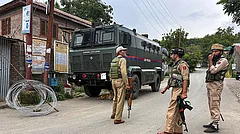
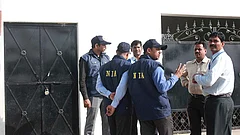
The legal comparison matters because “terror training” is not a single offence across jurisdictions. Indian law initially framed the case around conspiracy linked to a terrorist act. US law has separate material-support and military-training offences, with some requiring a designated Foreign Terrorist Organisation. UK law directly criminalises training for terrorism and attendance at terrorist-training locations, including certain conduct abroad.
What Was India Investigating?
The original case was registered under Section 18 of the UAPA, which covers conspiracy, attempts, advocacy, abetment, advice, incitement or knowing facilitation of a terrorist act or an act preparatory to one. The Act separately contains Section 18A, which criminalises organising camps for imparting training in terrorism.
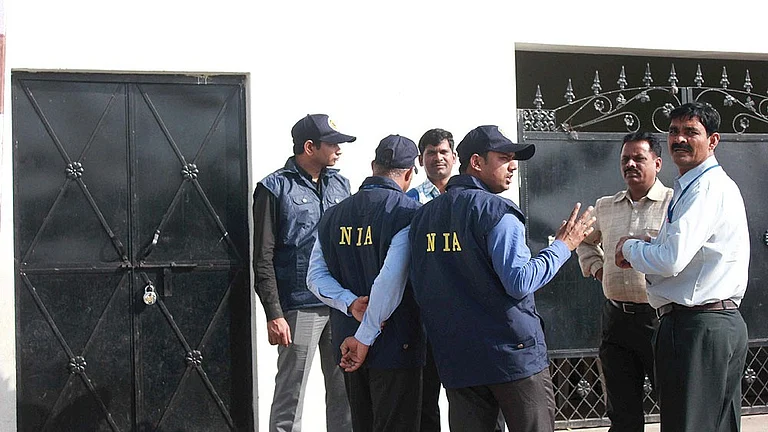
The NIA initially alleged that the seven foreign nationals were involved in a conspiracy connected to Myanmar-based armed groups and drone warfare. But its first chargesheet, filed before the September 8 deadline, invoked only Sections 21 and 23 of the Immigration and Foreigners Act, 2025. Section 21 concerns entry without required travel documents, while Section 23 covers specified immigration and visa contraventions. The agency told the court that its UAPA investigation was continuing and that a supplementary chargesheet could follow if further investigation established an offence.
That distinction is important. The omission of UAPA provisions from the first chargesheet was not an acquittal or a finding that the alleged conduct was lawful.
VanDyke was granted default bail on September 18 after the statutory 180-day investigation period had expired without a UAPA chargesheet. The judge described the chargesheet as incomplete in light of the continuing UAPA investigation.

How Does US Law Treat Terror Training?
US law does not contain one generic offence covering every instance of military instruction to an armed foreign group.
Section 2339B makes it an offence to knowingly provide material support or resources to a designated Foreign Terrorist Organisation (FTO). The statutory definition of material support includes “training” and “expert advice or assistance”, while training is defined as instruction designed to impart a specific skill. The provision also contains knowledge requirements concerning the organisation's terrorist status or activity.
Section 2339A is structured differently. It covers material support provided with the required knowledge or intent that it will be used in preparing for or carrying out specified federal offences. It too includes training and expert advice or assistance in its definition of material support.
The distinction means that a prosecution does not turn simply on whether someone provided military instruction. The statute being invoked, the purpose of the assistance and the defendant's knowledge become important.
Why Does FTO Designation Matter?
The US FTO system creates a formal legal category. Under Section 219 of the Immigration and Nationality Act, the Secretary of State can designate a foreign organisation as an FTO if the statutory conditions concerning foreign status, terrorist activity or capability and threats to US nationals or national security are met. Knowingly providing material support to a designated FTO is then prohibited under Section 2339B.
This means an armed group and an FTO are not automatically interchangeable legal categories under US law.
There is an even more specific provision. Section 2339D criminalises knowingly receiving “military-type training” from or on behalf of an FTO. The statute covers training in methods capable of causing death or serious bodily injury, damaging property or disrupting critical infrastructure, as well as training involving explosives, firearms and other weapons.
Section 2339D also expressly provides for extraterritorial federal jurisdiction. Among other bases, jurisdiction can exist where the offender is a US national or lawful permanent resident, or where the offender is later brought into or found in the United States.
So training carried out overseas is not automatically outside US criminal law. But the relevant statutory conditions still have to be established.
Is “Training” Broader Than Weapons Instruction?
The US Supreme Court considered the scope of “training” in Holder v Humanitarian Law Project, a case involving material support to a designated FTO.
The Court upheld the application of the material-support statute to forms of training and expert advice provided to an FTO, including assistance intended for the group's non-violent activities. The case therefore illustrates that the statutory concept of training is not limited to firearms or explosives instruction.
For a case involving drone operations, technical systems or other specialist skills, the legal question would still depend on the particular provision invoked and what the prosecution could establish about the support, its intended use and the organisation involved.
How Does UK Law Treat Terror Training?
UK law approaches the issue more directly.
Section 6 of the Terrorism Act 2006 creates separate offences for providing and receiving training for terrorism. For a provider, the offence requires knowledge that the recipient intends to use the skills for or in connection with terrorism or specified Convention offences. For a recipient, the law requires an intention to use the skills for those purposes.
The skills covered are broader than conventional weapons instruction. They include making, handling or using noxious substances, using methods or techniques capable of being used for terrorism, and designing or adapting methods or techniques for terrorist purposes.
That means military or technical training is not automatically a Section 6 offence. The connection between the skills and terrorism, along with the required knowledge or intent, still has to be established.
UK law separately addresses weapons training under Section 54 of the Terrorism Act 2000. That provision covers instruction or training in the making or use of firearms, explosives, chemical, biological or nuclear weapons and specified radioactive materials.
The framework is therefore layered: Section 6 addresses training for terrorism more broadly, while Section 54 deals specifically with weapons training.
What If Someone Only Attends A Training Camp?
The UK also has a specific offence for attendance.
Section 8 of the Terrorism Act 2006 makes it an offence to attend a place, in the UK or abroad, where terrorist training is taking place, provided the statutory conditions concerning the nature and purpose of the training and the person's knowledge or belief are met. A person does not necessarily have to receive the training personally.
This is significant for overseas training camps. Presence at a camp does not automatically establish guilt. The prosecution must still establish the statutory conditions, including the person's knowledge or the circumstances from which they could not reasonably have failed to understand the purpose of the training.
Section 17 of the 2006 Act, as expanded by the Counter-Terrorism and Border Security Act 2019, also gives UK courts extraterritorial jurisdiction over specified terrorism offences, including Section 6 training, Section 8 attendance and Section 54 weapons training. The provision applies whether or not the person is a British citizen.
Why Could The Same Training Be Treated Differently?
The differences become clearer when the statutes are placed side by side.
In India, the VanDyke case began under Section 18 of the UAPA, which concerns conspiracy and related conduct tied to a terrorist act. The NIA's first chargesheet, however, invoked only immigration offences while the UAPA investigation continued.
In the US, different provisions create different routes to prosecution. Section 2339B concerns material support to an FTO, Section 2339A addresses support connected to specified federal offences, and Section 2339D specifically concerns receipt of military-type training from an FTO. The latter two provisions do not operate identically, and the FTO designation requirement is particularly important to Sections 2339B and 2339D.
In Britain, the statutory focus is more directly on the terrorist purpose of the training and the person's knowledge or intent. Section 6 covers training for terrorism, Section 8 covers attendance at training locations and Section 54 separately covers weapons training. Specified offences can also be prosecuted where the conduct occurred abroad.
The phrase “terror training” therefore does not answer the legal question by itself. Courts have to examine what was taught, why it was taught, what the accused knew or intended, the legal status of the organisation involved and whether the relevant country has jurisdiction over conduct carried out abroad.
What Does VanDyke's Bail Actually Mean?
The latest court orders concern procedure, not a final finding on the allegations.
VanDyke received default bail because the NIA's first chargesheet did not include UAPA offences within the statutory investigation period. The court said the agency's UAPA investigation remained pending and could lead to a supplementary chargesheet.
The September 24 order allowing VanDyke and the six Ukrainians to travel abroad for a month likewise did not determine whether the alleged Myanmar training constituted a terrorism offence. The court said the accused had undertaken to join the investigation when required and noted that the NIA did not contend that their physical presence in India was currently necessary to complete the probe. The seven were permitted to travel to the US and Ukraine subject to conditions.
The case therefore remains unresolved on its central substantive question in India. What has changed is the procedural position: the seven have received default bail and temporary permission to travel, while the NIA says its UAPA investigation is continuing.
What Does The Comparison Show?
The Myanmar case illustrates why the phrase “terror training” can conceal several different legal tests.
India's case was initially framed around conspiracy connected to a terrorist act, but the NIA's first chargesheet did not invoke the UAPA. The US has multiple material-support provisions, with the FTO designation of particular importance to some offences involving support and military-type training. The UK separately criminalises training for terrorism, attendance at terrorist-training locations and specified weapons training, including certain conduct committed abroad.
The comparison is therefore less about whether military training is inherently unlawful and more about what the prosecution has to prove.
In the VanDyke case, the question remains whether the alleged conduct satisfies an Indian terrorism provision. Under US law, the relevant questions could include the nature of the support, the organisation's FTO status and the defendant's knowledge. Under UK law, the purpose and nature of the training, the accused's knowledge or intent, attendance at the training location and the jurisdiction over overseas conduct would all matter.
VanDyke's travel permission does not answer those questions. It marks the latest procedural stage in an investigation that began with allegations of terrorist activity and whose UAPA component remains open.















