



Oil pollution has reached parts of Qeshm and Hengam islands in southern Iran
Iranian authorities have linked the pollution to the wider military conflict
Cleanup is under way, but the spill’s exact source and scale remain unclear
Oil pollution has washed up along parts of Iran's southern coastline, affecting sections of Qeshm and Hengam islands in the Persian Gulf amid the wider military conflict.
According to local media reports, Iran's Department of Environment said parts of the coastline around Suza, Shib Deraz and Naqasheh on Qeshm, as well as a limited section of Hengam island, had been affected by oil pollution in recent days. Cleanup and monitoring operations were launched with the participation of government agencies, local communities and environmental organisations, Tasnim reported.
Around 950 metres of coastline in the Suza area had been cleaned manually using available equipment, according to Omid Sedighi, director general of the Marine Pollution Office at Iran's Department of Environment.

What Caused The Pollution?
Shina Ansari, head of Iran's Department of Environment, described the pollution on the southern Qeshm and Hengam coastlines as part of the consequences of the military attacks on Iran.
"Oil pollution on the southern coasts of Qeshm and Hengam Island is part of the obvious consequences of military aggression imposed on our coastal and marine ecosystem," Ansari said in a statement reported by Tasnim News Agency.
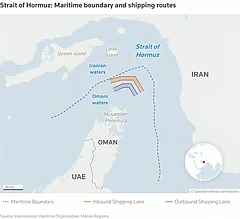

The authorities have not publicly established a single source or estimated the total quantity of oil released. The available Iranian reports instead describe the pollution as appearing in several coastal locations and connect it broadly to the damage caused by the conflict.
Iranian environmental teams have been conducting field assessments while authorities coordinate the cleanup with the Qeshm governorate, village authorities, the Ports and Maritime Organisation, the Qeshm Free Zone and local communities.
Damage To Regional Shipping
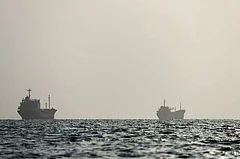
The pollution has emerged as the Persian Gulf, Gulf of Oman and waters around the Strait of Hormuz have seen repeated incidents involving commercial and other vessels during the conflict.
The International Maritime Organization (IMO) had recorded 65 confirmed maritime incidents and 17 seafarer fatalities in the Middle East and Strait of Hormuz as of August 11.
Several incidents on the IMO's list involved damage to vessels in or near Iranian waters. The Minoan Falcon was damaged west of Sirik in Iran on May 3, while the Qingdao Star was damaged south of Kish Island on April 7. The Euphoria was also damaged west of Iran on April 22.
The IMO has also recorded incidents that caused confirmed pollution. The JV Innovation, damaged near Ras Al-Khaimah in the UAE on May 4, was reported to have caused pollution, while the Olympic Life suffered limited bunker-fuel discharge after being damaged east of Muscat on May 26. On March 4, the Safeen Prestige sank north of Oman and an oil slick was detected.

Why The Gulf Is Vulnerable
The Persian Gulf is a heavily trafficked maritime zone surrounded by major oil-producing states, making spills particularly sensitive for both coastal ecosystems and shipping.
The latest pollution comes as military activity has repeatedly affected vessels and maritime infrastructure around the region. The IMO's incident record shows that damage to ships has been reported across waters off Iran, Oman, the UAE, Iraq and Bahrain since the conflict began.
For Iran's southern islands, the immediate concern is containment. The Department of Environment has said cleanup efforts are continuing, with teams monitoring affected beaches and assessing the extent of contamination.
The full source and scale of the latest oil slick remain unclear, leaving further environmental assessment necessary to determine how much oil entered the Gulf and how far the pollution could spread.















