The US says commercial traffic through the Strait of Hormuz is recovering after Iranian mines were cleared from international shipping lanes
Brent remains above $100 as Middle Eastern oil export constraints persist, global inventories have fallen and Saudi Arabia’s East-West pipeline has been shut
Risks around the Bab el-Mandeb and uncertainty over a lasting settlement with Iran mean reopening Hormuz has not yet restored normal global energy flows
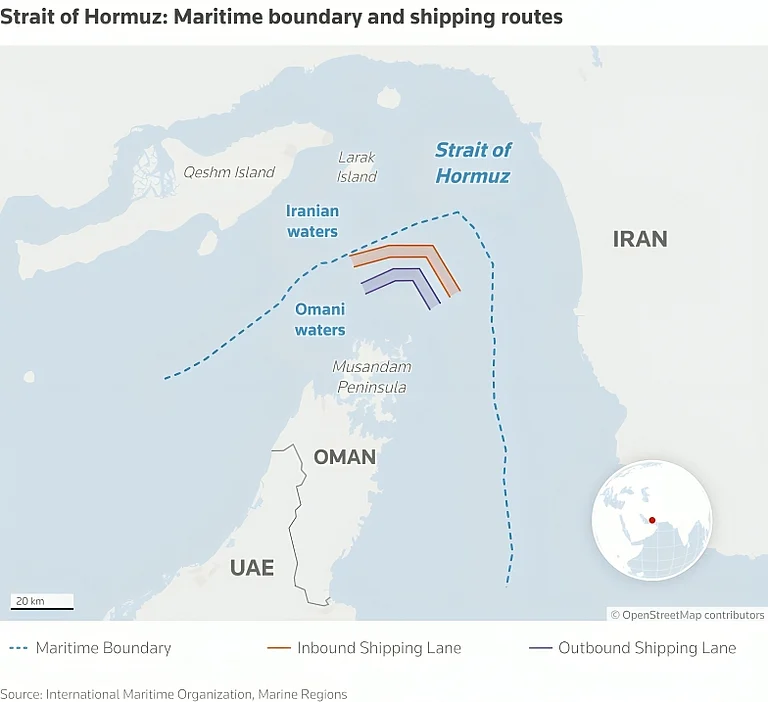
The United States says it has cleared Iranian mines from international shipping lanes in the Strait of Hormuz and helped move hundreds of millions of barrels of crude through the waterway under US protection. Yet Brent crude remains above $100 a barrel, raising questions over why oil prices have stayed elevated even as Washington says traffic through one of the world's most important energy chokepoints is recovering.
On August 28, the White House announced that Iranian mines had been cleared from the strait's international shipping lanes and that nearly 1,500 commercial vessels had moved through under US protection, carrying about 750 million barrels of crude. It also said Gulf oil exports had recovered to around two-thirds of pre-operation levels and were continuing to rise.
President Donald Trump has repeatedly said the US controls the waterway. “In the true sense, we own the Hormuz Strait, and we only allow boats to come in if we want them to come in,” he said in remarks cited by the White House.




Brent Remains Above $100
The EIA's September 9 Short-Term Energy Outlook offers a more cautious picture of how quickly global oil markets can normalise.
The agency said oil production in the Middle East should rise in the coming months as flows through Hormuz gradually increase and alternative export routes are used. But it expects some restrictions on Middle Eastern oil exports to persist through the end of 2026, keeping regional crude production below pre-conflict averages until the second quarter of 2027.
EIA estimated that global oil inventories had fallen by about 400 million barrels during 2026 by the time of its September forecast. It said the decline in inventories would keep prices elevated in the coming months, even as production gradually recovers. The agency forecast Brent crude to average around $90 a barrel in the second half of 2026 and $74 a barrel in 2027.
The latest EIA price data shows why the immediate market remains under pressure. Brent was above $100 a barrel in early September after having fallen below that level through much of the summer.
Saudi Pipeline Shutdown Removes A Hormuz Bypass
The disruption is not limited to the Strait itself.
Saudi Arabia has shut its East-West oil pipeline after a drone strike, removing an important alternative route for moving crude to the Red Sea without sending it through Hormuz. Outlook reported that the pipeline had been used as a key bypass route and that its shutdown adds another constraint to regional oil flows.
That matters because restoring traffic through Hormuz does not by itself restore every route available to Middle Eastern producers. A disruption to an alternative export route can leave global markets exposed even as shipping through the strait begins to recover.
The Bab El-Mandeb Risk
The supply picture is further complicated by developments around another major maritime chokepoint.
The Houthis have expanded their control along Yemen's Red Sea coast and seized Mayun, also known as Perim, an island near the Bab el-Mandeb. The advance has raised concerns over the security of shipping passing between the Red Sea and the Gulf of Aden.
The significance for energy markets is that the region now faces risks at multiple points along the routes linking Middle Eastern producers with global markets. Even if traffic through Hormuz improves, renewed disruption around the Red Sea could complicate alternative shipping routes and keep risk premiums elevated.

Diplomacy Has Yet To Remove The Risk
The diplomatic track has offered little immediate relief.
A planned Iran-Gulf meeting on the Strait of Hormuz was postponed, with Oman saying the delay was intended to allow greater consensus. Iranian officials have continued to insist that Tehran's conditions must be addressed before negotiations can produce movement on the strait.
That uncertainty matters for oil markets because the reopening of shipping lanes is not the same as a durable political settlement. Markets remain sensitive to the possibility that military or diplomatic developments could disrupt flows again.
Why Oil Can Stay Above $100
The central issue is therefore not simply whether ships are moving through Hormuz.
The US says the waterway is being reopened and commercial traffic is increasing. But EIA expects export constraints to persist, regional production to remain below pre-conflict levels and global inventories to continue falling through the end of 2026.
At the same time, the shutdown of Saudi Arabia's East-West pipeline has removed an alternative export route, while instability around the Bab el-Mandeb adds another layer of shipping risk.
For oil markets, that means the distinction between a route being open and global supply being normalised remains crucial. Until production, inventories and alternative export routes recover more fully, Brent can remain elevated even as Washington says traffic through Hormuz is being cleared.