Russia has struck at least 246 petrol stations across Ukraine, with attacks becoming increasingly frequent since April.
Operators are installing shelters and anti-drone nets, while authorities are urging motorists to leave stations during air-raid alerts.
Ukraine's extensive petrol-station network and reliance on imported fuel have helped prevent the attacks from triggering a major nationwide shortage.
“Fill up quickly and move on.” The warning from Kharkiv Mayor Ihor Terekhov captures a new reality for Ukrainian drivers as Russian drones increasingly target petrol stations, turning routine refuelling stops into potential danger zones.
Two petrol stations in Kharkiv were hit by Russian drones on Monday, injuring two people, according to local officials. The attacks are part of a wider campaign that has struck hundreds of filling stations across Ukraine since April, as per BBC.
Why Are Russian Drones Targeting Petrol Stations?
Russia began its campaign targeting civilian filling stations in April. The attacks primarily hit front-line regions and continue to increase in frequency.
Russia has struck at least 246 filling stations across Ukraine so far, Oleksandr Sirenko, an analyst with energy think-tank Nafto Rynok, stated. The Centre for Information Resilience verified 114 Russian strikes in July. This compares to 66 such incidents in June.
The weapons have changed. Russia initially used small remote-controlled drones before shifting to larger Iranian-made Shahed models. These cost between $20,000 and $50,000 each.
"One petrol station took five Shahed hits," Sirenko told the BBC. "These Shaheds cost more than the petrol station."


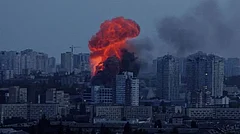

The attacks have left key transit routes, such as the Kharkiv-to-Dnipro road, with no functioning petrol stations. In the Poltava region, all stations around Opishnya village have been destroyed.
Village chief Mykola Riznyk said in a video on Facebook that authorities there are stocking fuel in small amounts across multiple locations. "You can see our enemy's strategy. They want to deprive us of fuel," he said.
In Ukrainian-controlled Kherson, almost half the stations have stopped working. The rest face attacks almost daily, deputy regional administration head Oleksandr Tolokonnikov said. In Trostyanets, authorities dispense fuel straight from mobile road tankers that constantly change locations.

‘You Can Fix Your Car, But You Won't Get Your Life Back’
Petrol station operators are installing concrete shelters and anti-drone nets, while shortening opening hours and reducing staff numbers to limit the risk. Police issued guidance urging motorists to leave stations and abandon vehicles during air raid alerts. "You can fix your car, but you won't get your life back," the Dnipropetrovsk region police force stated.
Petrol stations are strictly enforcing closures during air alerts. Drivers like Stokolya accept the delays to prioritise safety. "Clients aren't browsing the aisles anymore, looking at what we've got on our shelves," Oleksandr Melnychuk, head of strategic marketing at BRSM Nafta, told BBC. "They fill up and are keen to get on their way as soon as possible."

The market remains stable. The National Bank of Ukraine reported that only 4% of filling stations have been damaged or destroyed. Increased sales in safer regions offset the losses.
Ukraine avoids relying on vulnerable large refineries. The country imports fuel using road tanker trucks. The fuel market is highly saturated. This allows drivers to easily find alternative stations if one is hit. "You curse and drive on to another petrol station. OK, you travel for 10km more than you bargained for, but that's not such a big problem," Sirenko told BBC.