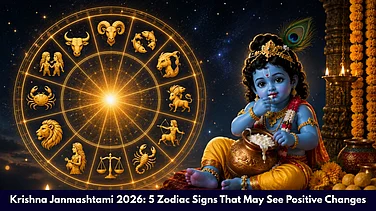
Krishna Janmashtami is one of the major Hindu festivals. It celebrates the divine birth of Lord Krishna, who is the eighth incarnation of Lord Vishnu. Devotees observe fast, perform midnight prayers and pray to Laddu Gopal with devotion. Janmashtami 2026 is going to be a special occasion for the devotees as they come together yet again to celebrate the birth of Krishna with faith, music and rituals.
Krishna Janmashtami 2026 Date:
In 2026, Krishna Janmashtami will be celebrated on Friday, September 4 across most parts of India. The festival falls on Krishna Paksha Ashtami, the eighth lunar day of the waning fortnight of the Hindu month of Bhadrapada.
According to Panchang calculations, the Ashtami Tithi begins at approximately 2:25 AM on September 4 and ends around 12:13 AM on September 5. Rohini Nakshatra begins around 12:29 AM on September 4 and continues until approximately 11:04 PM.
The combination of Ashtami Tithi and the midnight period is particularly important because Lord Krishna is traditionally believed to have been born at midnight in Mathura.
Krishna Janmashtami 2026 Shubh Muhurat:
The most important period for Janmashtami worship is Nishita Kaal, the sacred midnight period associated with Lord Krishna’s birth.
For Kolkata, the Nishita Puja Muhurat is approximately:
Nishita Puja: 11:13 PM to 11:59 PM on September 4
Midnight moment: around 11:36 PM
Janmashtami: Friday, September 4, 2026
The exact Nishita Muhurat varies according to geographical location because sunrise, sunset and midnight calculations differ from city to city. For example, Panchang calculations for Kulti give Nishita Puja from approximately 11:19 PM to 12:05 AM, while Kolkata calculations give approximately 11:13 PM to 11:59 PM.
Therefore, devotees should preferably follow the local Panchang for their city when deciding the precise puja period.
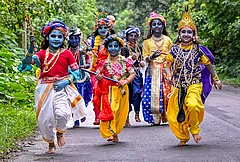
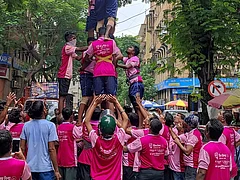

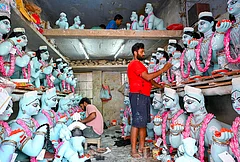
Janmashtami 2026 Puja Timings and Vrat:
Janmashtami worship usually begins in the evening and ends with spiritual culmination at midnight. On the day of the festival, devotees observe a full day fast and break it at the prescribed Parana time. A brief schedule of observances follows:
Morning: Perform a ritual bath, make a Sankalpa for the Janmashtami fast and worship Lord Krishna.
Daytime: The devotees can keep either Nirjala or Phalahar depending on their capacity and tradition. Meditation, chanting Krishna’s name and reading the Bhagavad Gita are viewed as spiritually beneficial.
Evening: Clean and decorate the puja area. Keep an idol or image of Bal Gopal in a decorated cradle and offer fruits, sweets, butter, mishri and Panchamrit.
Nishita Kaal: The main Janmashtami Puja is to be performed at midnight. The idol of Krishna can be bathed with Panchamrit and decorated with new clothes, ornaments and flowers. Devotees may chant Krishna mantras and offer Tulsi leaves.
After midnight: There are some traditions which allow for breaking the fast after Nishita Puja, while others follow the Dharma Shastra-based Parana the next morning. Hence, Panchang traditions can vary. Kolkata: The Dharma Shastra-based Parana is after the relevant morning observance on September 5.

The Significance of Midnight on Janmashtami:
In Hindu tradition, Lord Krishna was born in the prison of King Kansa in Mathura in the middle of the night. He was born in the eighth Tithi of the dark fortnight under the celestial conditions of Rohini Nakshatra. Hence, midnight is not considered to be a normal time in Janmashtami. It is a symbol of the coming of divine consciousness into the darkness. Devotees believe that praying in Nishita Kaal creates a spiritual atmosphere for concentration and devotion. The celebration of midnight birth usually consists of conch-blowing, bells, devotional singing, Krishna mantras and ceremonial rocking of baby Krishna in a cradle.
Astrological Significance of Krishna Janmashtami 2026:
From a Vedic astrology perspective, Janmashtami is significant because the festival is associated with the Moon, Rohini Nakshatra and Krishna Paksha Ashtami. Lord Krishna's traditional birth chart is often discussed in Jyotish because of the exceptional planetary symbolism associated with his incarnation.
1. Significance of Ashtami Tithi:
Ashtami means the eighth day of the moon. It is related to transformation, inner strength and overcoming obstacles. The Janmashtami that falls on the Krishna Paksha Ashtami is symbolic of the rising of the divine light in the spiritually darker period. For the devotees, this day is good for introspection, prayer, surrender and overcoming negative tendencies.
2. Importance of Rohini Nakshatra:
Rohini is ruled by the Moon and is traditionally associated with beauty, nourishment, creativity, growth and material as well as emotional abundance. Lord Krishna's association with Rohini Nakshatra gives this lunar constellation special importance during Janmashtami.
Devotees may use the occasion to pray for emotional balance, family harmony, creativity and prosperity.
3. Spiritual Importance of the Moon:
The Moon represents the mind, emotions and mental stability in Vedic astrology. Since Janmashtami is connected with the lunar calendar and Krishna's midnight birth, the festival is considered an appropriate occasion to calm the mind through meditation, mantra chanting, and devotional practices.
Chanting “Om Namo Bhagavate Vasudevaya” or “Hare Krishna, Hare Rama” can be incorporated into the worship according to one's tradition.
4. Removing Negativity:
Janmashtami is also regarded as a spiritually powerful occasion for releasing fear, confusion, anger and negative thought patterns. Devotees can pray to Lord Krishna for wisdom, courage and the ability to follow Dharma even during difficult circumstances.
Krishna's teachings in the Bhagavad Gita emphasise detached action, self-knowledge and devotion. Therefore, the festival is not merely a celebration of birth but also an opportunity to reflect upon one's duties and choices.
What Should Devotees Do on Janmashtami 2026?
Devotees can keep the day spiritually meaningful by observing a suitable fast, maintaining cleanliness, decorating the Krishna altar, offering Tulsi leaves and fruits, chanting Krishna mantras and reading passages from the Bhagavad Gita.
Those unable to observe a complete fast can follow a simple sattvic diet according to their health and family tradition. Devotion and sincerity are considered more important than elaborate rituals.

Krishna Janmashtami 2026 will fall on Friday, September 4. The main puja will be performed during the midnight Nishita period. Nishita Puja Muhurat in Kolkata will be around 11:13 pm to 11:59 pm. Janmashtami is not simply about rituals and festivities. It is about a profound spiritual message. It says that when darkness seems all-encompassing, wisdom, Dharma and divine consciousness can light the way. By remembering Krishna's teachings and cultivating devotion, compassion, and self-discipline, devotees can make Janmashtami a meaningful occasion for spiritual growth and inner transformation.