The escalating US–Israel war on Iran has become a major geopolitical crisis, with widening humanitarian consequences but an uneven response within Hollywood.
Hollywood’s silence is deafening amidst the escalating US-Israel war on Iran. Only a few celebrities acknowledged the growing risks involving the same.
The limited attention to Iranian civilians highlights inconsistencies in Hollywood activism and this listicle features eight celebrities who have publicly challenged dominant war narratives and voiced support for Iranians.
The ongoing US–Israel war on Iran has intensified into one of the most volatile geopolitical crises in recent years. As tensions escalate, the humanitarian consequences are spreading far beyond a single border. Yet within America’s civil society and cultural domain, particularly in Hollywood, the response has been uneven.
At the Academy Awards 2026, several public figures used both the red carpet and the stage to express dissent. Many wore Artists4Ceasefire pins or “No to War” badges, drawing attention to the devastation in Gaza and calling for an immediate ceasefire. A smaller group, famously including Javier Bardem, extended this concern by acknowledging the risk of escalating the aggression towards Iran, though it remained largely peripheral.
While Gaza has justifiably drawn global outrage and several strong voices from Hollywood, the civilian experience in Iran within this expanding conflict receives far less visibility in celebrity discourse. In a media environment where attention shapes public understanding, absence from the conversation can amount to a form of erasure. This imbalance points to a deeper dynamic within Hollywood activism that remains convenient and inconsistent.
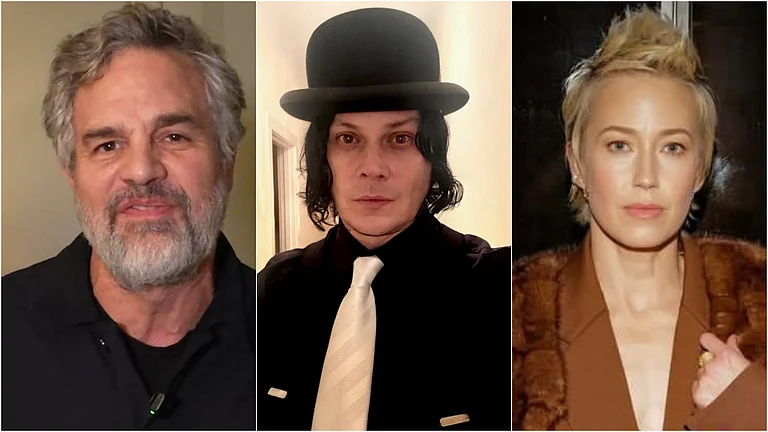
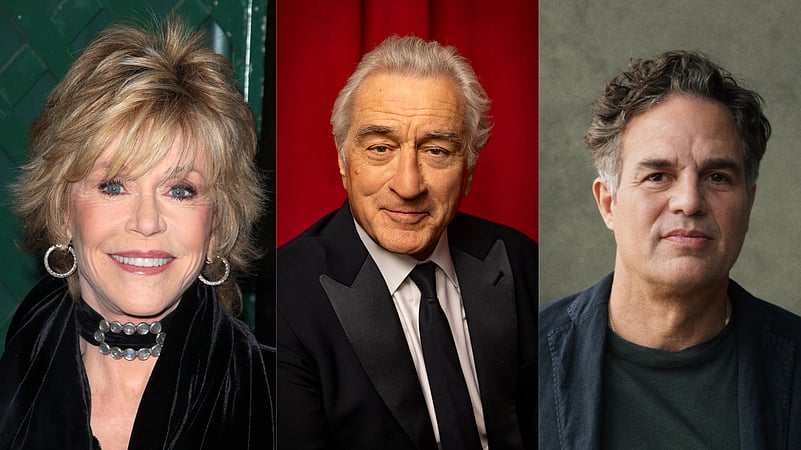
For this reason, voices that question dominant war narratives retain importance. Their interventions may be limited in scope, yet they introduce friction into an otherwise controlled discourse. Below are eight artists who have dared to speak up and support Iranians continually and publicly:
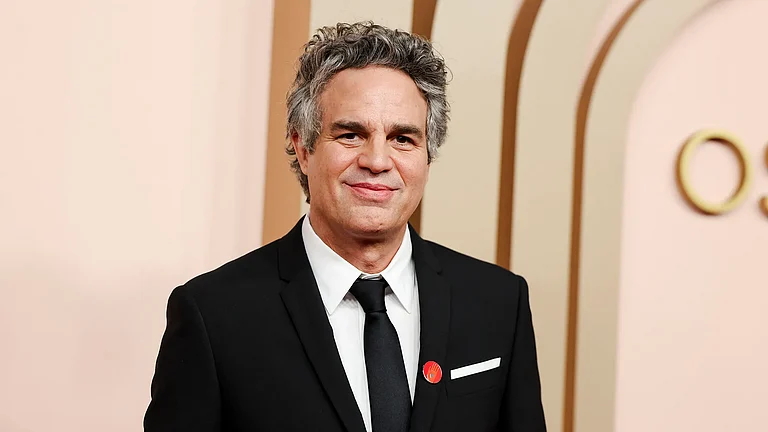
1. Mark Ruffalo

An Academy Award-nominated actor known for his role as the Hulk in the Marvel Cinematic Universe, Mark Ruffalo has frequently criticised both U.S. foreign policy and Israeli military actions. Responding to the escalation of the war on Iran, Ruffalo condemned the strikes in stark terms, calling the possibility of a nuclear attack on Iran “insanity” and warning of its human cost: “We have psychopaths waging this war. We have seen Netanyahu gleefully carry out a genocide in Gaza. Why would he not go further now in Iran? Trump has only assisted them. This has got to stop. They cannot be allowed to carry out a nuclear strike on millions of innocent people. These are our fellow human beings. This is insanity.” His remarks reflect a deep moral urgency, framing the conflict as a humanitarian crisis and a dangerous escalation driven by political power.
2. Robert De Niro

Academy Award-winning actor and longtime critic of Donald Trump, Robert De Niro has consistently spoken out on issues of democracy and US leadership amidst war on Iran. During the nationwide No Kings protests, De Niro called for “no unnecessary wars that rob our resources, sacrifice our servicemen and women and slaughter innocents.” Highlighting the urgency of the moment, he said, “Our democracy is at stake, period… It’s like a surreal dream; it’s crazy,” and made it clear he would not stay silent: “My country’s at stake. I’m not going to keep my mouth shut.” He also urged continued action, stressing, “We cannot let up… We cannot let up with this guy.”

3. Javier Bardem

Javier Bardem emerged as one of the most direct voices at the Oscars ceremony. He wore his “No a la guerra” pin from 2003 supporting Iran and stated, “No to war and free Palestine.” His remarks drew attention to the human cost of armed conflict and echoed earlier criticisms of Western intervention. Bardem was among the few high-profile figures to acknowledge the wider regional context, criticising Western military interventions, including Iran, within a broader anti-war position. Bardem represents a rare case of an A-list actor connecting multiple conflicts rather than speaking about them in isolation.
4. Jane Fonda

Jane Fonda’s position reflects a long-standing opposition to military intervention and Western ambivalence on global conflicts. She has been quite vocal about US-Israel’s war on Iran, calling it “An insane war violating international laws.” She also directly addressed the Trump government- “You may wage this war in our name but not with our consent.” Her activism, shaped by earlier conflicts such as Vietnam, continues to emphasise the humanitarian and environmental consequences of war.
5. Dua Lipa

One of the most influential pop voices to speak on global conflict, Dua Lipa voiced her support towards Iran in an Instagram story: “In Iran, we are seeing slaughter at a scale like never before.” She has been continually vocal about Palestinian rights and humanitarian crises and calls for ceasefire and civilian protection. She has also been critical of Western political complicity. Her massive global reach makes her advocacy for Palestine and Iran impactful.
6. Jack White

A Grammy-winning musician and the frontman of The White Stripes, Jack White has consistently used his platform to challenge political authority and critique US foreign policy. In response to the US–Israel strikes on Iran, he issued a biting, satirical rebuke of leadership and the spectacle of war: “Don’t you love seeing him declare war on a country while wearing a trucker hat that says ‘USA’ on it?… Venezuela, Greenland, Iran, Cuba—what’s the difference, right?” White’s remarks underscore his concern over the casual normalisation of militarism and the reduction of global conflict into political theatre.
7. John Cusack

American actor, producer and screenwriter John Cusack has long been an outspoken political voice, frequently addressing issues of war, corporate influence and Middle Eastern geopolitics. Reacting to the strikes on Iran, Cusack framed the escalation as a calculated political manoeuvre: “Trump starts a wag-the-dog war—to distract from Epstein and to do Netanyahu’s bidding… had enough yet?” His statement positions the conflict as less about national security and more about political diversion and entrenched geopolitical interests.
8. Stephen King

One of the most widely read authors in contemporary literature, Stephen King is equally known for his forthright political commentary, often speaking against authoritarianism and abuses of power. In response to the Iran strikes, King urged for US president Trump’s impeachment and highlighted concerns around his assumed constitutional authority: “Under Article I, Section 8 of the U.S. Constitution, only Congress has the power to declare war as well as to raise and support armies, provide and maintain a navy and regulate the military.” His intervention reframes the issue as not merely geopolitical, but as a serious breach of democratic norms and institutional process.