Amish Tripathi cites Adbhuta Ramayana to defend Sita’s warrior portrayal.
The author says Sita killed a more powerful Ravana in one version.
Tripathi also questions Western perspectives in Indian history textbooks.
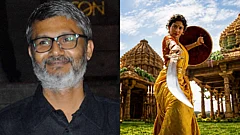
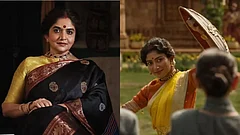
Author Amish Tripathi has weighed in on the debate surrounding Sita’s portrayal in Nitesh Tiwari’s Ramayana: Part 1, arguing that the character has been depicted as a warrior in ancient versions of the epic. His remarks come after sections of the audience, including actor Mukesh Khanna, questioned the film’s depiction of Sita wielding a sword and fighting asuras. Speaking in an interview with SCREEN, Tripathi pointed to the Adbhuta Ramayana to explain why the portrayal is not a modern invention.
Amish Tripathi cites Adbhuta Ramayana
Tripathi, who wrote Sita: Warrior of Mithila in 2017, said that different versions of the Ramayana are not widely discussed or taught. He cited three versions attributed to Valmiki and explained that Sita takes on a warrior role in one of them.
“Because we’re not taught the Ramayana and the Mahabharata through our education system, we’re not aware of all the versions. There’s a version called the Adbhuta Ramayana, credited to Valmiki. He wrote three versions — Valmiki Ramayana, Adbhuta Ramayana, and Ananda Ramayana. In Adbhuta Ramayana, the elder, more powerful Ravana was killed by Sita. She was a warrior in that version. It’s not a new version. It’s an ancient version credited to Valmiki,” Tripathi said.


He also argued that ancient Indian texts should be understood through a wider historical perspective, rather than being dismissed because they contain elements that may appear fantastical.
Amish Tripathi on history, mythology and Sita’s portrayal
The author compared the debate around Indian epics with the changing understanding of Homer’s Odyssey and the discovery of Troy. He said that while some details in ancient narratives may have been embellished, their central events should not automatically be dismissed.
Tripathi also criticised the way Indian history is taught, arguing that textbooks often privilege a Western perspective and overlook the achievements of ancient Indian societies. He said that greater awareness of indigenous history could help dispel misconceptions about the past.
The author further maintained that ideas of equality between men and women were not alien to Indian traditions. “Men and women being equal isn’t a Western idea. It’s actually being true Indian,” he said.

Tripathi’s comments add to the ongoing discussion around Sai Pallavi’s portrayal of Sita in Ramayana: Part 1, which has drawn both criticism and support since the film’s release.