






ISRO will launch the 2,367-kilogram EOS-05 satellite aboard GSLV-F17 from the Satish Dhawan Space Centre in Sriharikota on September 4.
The liftoff ends a seven-month launch hiatus following the failure of the PSLV-C62 mission in January.
EOS-05, also designated GISAT-1A, is designed to operate from geosynchronous orbit to provide near-continuous imaging over the Indian region.
ISRO will launch the Earth observation satellite EOS-05 aboard GSLV-F17 on September 4, ending a seven-month pause in launches after the PSLV-C62 mission failed in January this year. The launch is scheduled for 02:55 am from the Second Launch Pad at Satish Dhawan Space Centre in Sriharikota, according to Indian Express.
EOS-05 is also called GISAT-1A under ISRO’s new nomenclature system. The mission matters because it marks the space agency’s return to flight after its latest setback and revives India’s push for geostationary imaging capability. Indian Express had earlier reported that the satellite would launch in the first week of September. It also reported that another satellite parked at the spaceport, NVS-03, is likely to launch in November.
The satellite will give India frequent views of large areas from a higher geosynchronous orbit. That makes it different from most Earth observation satellites, which operate in low Earth orbit. This is India’s first earth observation satellite in such an orbit.


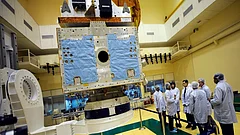
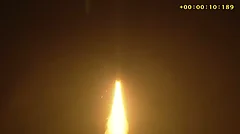
Satellite Mission Details
GSLV-F17 will carry the 2,367-kilogram EOS-05 spacecraft into space. The satellite has a 10-year mission life and is built to image large areas at frequent intervals. Its pictures could help with natural disaster monitoring, agriculture and forestry tracking, weather analysis and environmental studies.
EOS-05 is designed for near-continuous Earth imaging. It can keep a broad region under watch for long periods from geosynchronous orbit, which sits about 36,000 kilometres above Earth. The mission will first place the spacecraft in a Sub-Geosynchronous Transfer Orbit before it moves to its operational position.
That orbit gives it a useful role. Most Earth observation satellites fly in low Earth orbit and pass over the same place only for short windows. EOS-05, by contrast, will keep a persistent watch over the Indian region. That can be especially valuable during cyclones, floods and other fast-moving events.
Successor To GISAT-1
EOS-05 is a replacement satellite for GISAT-1, also called EOS-03. GISAT-1A, or Geo Imaging Satellite, is the new name for the mission under ISRO’s nomenclature system.
The earlier satellite, launched in 2021, failed to reach orbit after the cryogenic upper stage of the rocket failed to ignite. A failure analysis committee later found that a malfunctioning valve led to insufficient pressure in the liquid hydrogen tank, which caused the failure.
EOS-05 is another attempt to establish India’s geostationary Earth imaging system. The mission carries a clear follow-up role after the 2021 setback, and ISRO will be looking for a clean launch this time.
Launch Delays And Setbacks
ISRO has had a difficult run. Launches were put on hold after the space agency suffered several setbacks, according to officials cited by Indian Express. Three of the six missions undertaken by the agency in 2025 and 2026 ended with satellites not reaching their intended orbits because of anomalies in the launch vehicle or spacecraft engine.
The agency has carried out only one launch this year. Its workhorse launch vehicle was to place an Earth observation satellite in orbit on January 12 in the PSLV-C62/EOS-N1 mission, but the satellite could not be injected into the intended orbit because of an anomaly in the rocket’s third stage.
The report of the failure analysis committee on the January mission, or even a summary of it, has not been made public yet. Against that backdrop, the EOS-05 mission marks a fresh test of ISRO’s launch cadence after months of pause.















