



FSSAI has begun a nationwide inspection drive for packaged drinking water and mineral water makers
Rajit Punhani said samples are being collected across India and lab testing should finish in one to two months
The action follows an unsafe Bisleri sample that first failed bromate limits and was later flagged for PAHs
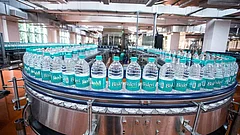
India’s food regulator has launched a nationwide inspection drive for packaged drinking water and mineral water makers after a Bisleri sample was found unsafe, widening scrutiny across a fast-growing $3.5bn market. Samples are being collected across the country and lab testing should finish in one to two months, FSSAI chief executive Rajit Punhani stated on Wednesday.
The directive, dated November 25 comes amid consumer concern after the Food Safety and Standards Authority of India said this week it had found one sample of Bisleri, the country's biggest and best-known bottled water brand, unsafe because of chemicals that health agencies say may cause cancer. Bisleri has maintained that its water is safe to consume and that its own tests found no problem.
The broader checks will raise regulatory oversight of PepsiCo, Tata Consumer, Coca-Cola and billionaire Mukesh Ambani’s Reliance Consumer, all of which have expanded in India’s packaged water market. Demand has risen quickly as poor tap water quality pushes consumers towards bottled water.


Inspection Orders Tighten
FSSAI has written to food safety commissioners in states and Union Territories and to its regional directors to tighten surveillance and enforcement against packaged drinking water and mineral water manufacturers, sources told PTI.
The letter tells field officers to carry out "regular inspections and risk-based sampling of packaged drinking water and mineral water". It adds that "appropriate action shall be initiated in cases of non-compliance".
The regulator has also told officers to keep records of inspections, samples collected and lab findings on the Food Safety Compliance System, or FoSCoS. Proceedings against violators will rest on the Food Safety and Standards Act, 2006, and rules framed under it.
Bisleri Case Deepens
The current crackdown follows FSSAI’s decision to sanction prosecution against Bisleri International Pvt Ltd over alleged violations involving packaged drinking water. The regulator has publicly stated that it will start court proceedings soon over non-compliance with food safety laws. Bisleri has not commented on the FSSAI's prosecution plan.
At the centre of the case is one sample of packaged drinking water, other than mineral water, collected from Bisleri’s premises. FSSAI stated that the first lab analysis found the sample breached prescribed bromate limits and classified it as unsafe under the Food Safety and Standards Act, 2006.
Bisleri challenged that finding. The sample then went to a referral food laboratory, which also declared it unsafe after detecting polynuclear aromatic hydrocarbons, or PAHs. FSSAI stated that the two lab findings established violations relating to unsafe food under the law.
Asked about the timeline for legal action, Punhani called it a "normal routine thing, and it will happen". Bisleri said on Monday that its packaged drinking water was "safe" to consume and that it would cooperate with the regulator.
Industry Pressure Builds
The inspections widen scrutiny well beyond one company. The checks will cover a market worth $3.5bn and sharpen oversight of global and domestic consumer groups that have invested heavily in bottled water sales in India.
The tougher stance builds on earlier regulatory changes. In November 2024, FSSAI classified packaged drinking water and mineral water as 'High-Risk Food Categories' after the mandatory Bureau of Indian Standards certification requirement was removed.
That was followed by a dedicated testing scheme in December 2025 for packaged drinking water and mineral water. The latest action also comes as India has stepped up enforcement against major food and drinks brands, with FSSAI and state regulators conducting raids and acting over labelling issues involving chains such as Domino’s and liquor companies including Diageo.
Punhani Sets Out Remarks
Punhani stated the drive was meant to improve compliance, not trigger alarm. "We are in the process. The process has started. We are doing it all over the country," he told reporters on the sidelines of an event organised by industry body CII.
He linked the exercise to FSSAI’s wider sector-by-sector checks over the past year. "There is no particular reason. If you notice, in the last year, we have taken up, one by one, a lot of things. We have done dairy, meat, eggs, cereals, energy drinks, and sugary drinks. Water is also part of that process," he said.
Punhani also urged food companies to tighten internal quality controls and set up in-house testing so defects are caught before products reach consumers. He warned Food Business Operators and e-commerce companies against inaccurate claims on labels and in advertisements, and flagged wider concerns around pesticide residues, microplastics and antibiotics.
"You know we have a very 'chalta hai' (casual) attitude. It's okay if one sample out of 150 samples is found, exceeding the limits. What is the big deal?" he said.
Punhani rejected the argument that fewer inspections or lighter rules would solve compliance problems. "I don't think the solution is to have less number of inspections or less regulations. So you will have to work out a solution... where the industry also ensures that compliance is 100 per cent," he said.
He ended with a reassurance. "It's not that things are not good. Things are good. And it's not that we're trying to create panic. We are just trying to make people more and more aware to strive for perfection," he said.







