Elon Musk sarcastically called Mukesh Ambani the “real boss of India” and questioned whether Reliance would allow Starlink to compete.
Communications Minister Jyotiraditya Scindia said India does not permit monopolies and stressed that satellite operators must meet regulatory and security requirements.
Starlink’s commercial launch in India remains subject to outstanding clearances, despite the company securing key authorisations.
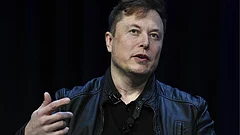
Elon Musk has publicly challenged Mukesh Ambani over the delay in launching his Starlink satellite internet service in India, accusing the billionaire businessman of seeking to protect a dominant position in the country’s telecommunications market. The SpaceX chief’s remarks triggered a response from the government, which said India does not permit monopolies and that satellite operators must fulfil security requirements before beginning commercial services.
In a post on X on October 9, Musk addressed Ambani as “Prime Minister Ambani” and apologised sarcastically for not realising that he was “the real boss of India”. Musk then asked whether Ambani would allow Starlink to compete, alleging that existing operators preferred to maintain a monopolistic hold over Indian consumers. He offered no evidence to substantiate the allegation against Ambani.
In a separate post, Musk shared screenshots of media reports concerning political funding by a Reliance-linked company and alleged links between Reliance and the BJP’s campaigning on Facebook. The posts intensified his public criticism of India’s telecom market, where Reliance Jio and Bharti Airtel have established major positions.




Government Rejects Allegations Of Monopoly
Communications Minister Jyotiraditya Scindia rejected the suggestion that a single business group could prevent a competitor from entering the market. Speaking on October 9, he said India did not allow monopolies in any sector and stressed that satellite operators had to meet the same regulatory requirements before they could begin services.
The government has authorised three companies to provide satellite communication services: Starlink, Reliance Jio’s satellite venture and Bharti-backed Eutelsat OneWeb. However, the licences do not by themselves permit commercial operations. The companies must complete security-related requirements and obtain spectrum assignments before launching their services.

Starlink Awaits Final Clearances
Starlink has spent several years preparing to enter India, securing key regulatory authorisations and developing infrastructure. Its commercial launch remains pending, with security compliance among the outstanding requirements. Authorities have raised concerns about ensuring that Indian user traffic remains subject to domestic monitoring and lawful interception requirements.
The dispute comes as satellite internet companies seek access to India’s large and underserved connectivity market, particularly in remote and rural areas where conventional broadband infrastructure can be difficult to extend. Starlink has also entered into an agreement with Reliance Jio to explore offering its services to Jio customers, subject to the necessary Indian authorisations.
The government has maintained that the approval process is non-discriminatory, while Musk’s allegations have brought renewed attention to the relationship between regulatory delays and competition among powerful business groups. Neither Musk’s posts nor the government’s response establish that Ambani personally influenced the approval process.