Mojtaba Khamenei has ordered an intelligence shake-up, Qalibaf said
Parliament has approved the general outline of an overhaul bill
The intelligence ministry has had no named chief since Esmail Khatib's killing
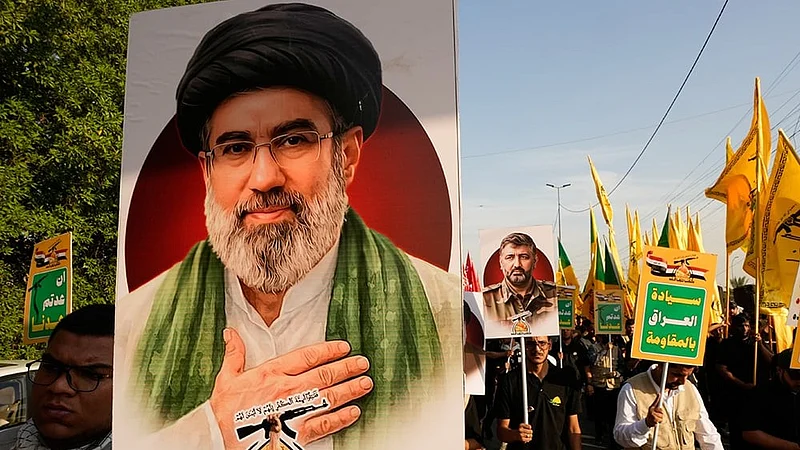
Iran's spy establishment is headed for a reset, and the order comes from the very top. Supreme Leader Ayatollah Mojtaba Khamenei has directed a shake-up of the intelligence system, parliamentary speaker Mohammad Baqer Qalibaf said, as reported by Reuters.
The move follows incidents in recent years that exposed major gaps in Tehran's security and intelligence apparatus. Qalibaf is now pressing for the overhaul to be followed swiftly by a permanent appointment at the top of the intelligence ministry.
The Speaker Wants No Delay
In a video shared on Telegram on Sunday, Qalibaf said the government should quickly appoint a permanent intelligence minister once the overhaul law clears the Guardian Council, the constitutional watchdog.
The chair has had no named occupant since Esmail Khatib was killed in an Israeli strike on March 18. A hardline cleric and politician, Khatib had worked in the office of former Supreme Leader Ayatollah Ali Khamenei before taking charge of civilian intelligence in August 2021. Ali Khamenei, Mojtaba's father, was killed in US-Israeli strikes at the start of the Iran war.
Qalibaf said Parliament had first asked the government to bring a restructuring bill. After delays, lawmakers took up the task themselves. They approved the bill's general outline on Sunday and began examining its provisions, Iranian state media reported.



The bill before Parliament proposes to widen the field for the minister's post by expanding the eligibility criteria. Candidates with a master's degree, intelligence expertise and experience, and at least 10 years in middle or senior management would qualify. Those qualified in ijtihad, or independent Islamic legal reasoning, could also hold the office.

The Breaches Behind The Push
The reach of Israeli intelligence inside Iran has been on display for years. Nuclear scientist Mohsen Fakhrizadeh was assassinated in 2020, and Hamas leader Ismail Haniyeh was killed in Tehran in 2024.
The weaknesses surfaced again during the 12-day war in June 2025. Israeli operatives inside Iran helped target air defences, missile launchers and senior military commanders.
These episodes have raised questions about how effective Iran's intelligence and counterintelligence operations are. They have also added urgency to calls for change within the security establishment, leaving Tehran to rework the system while its top intelligence post awaits a permanent chief.