Fiji declares a national HIV emergency as the estimated infection rate reaches one in 60 adults.
UNAIDS estimates about 9,000 people were living with HIV in Fiji in 2025, with 39 per cent aware of their status.
Fiji expands free HIV testing and treatment and plans to provide clean needles to people who use drugs.
Fiji has declared a national emergency over HIV after government data showed an estimated one in 60 adults in the South Pacific island nation is living with the virus, as authorities expand testing and treatment to respond to rising infections.
About 9,000 people were living with HIV in Fiji in 2025, according to the Joint United Nations Programme on HIV and AIDS (UNAIDS). Only 39 per cent of people living with HIV knew their status, while 22 per cent were receiving antiretroviral treatment. Associated Press reported that the government has now called for agencies to work with the health ministry to address the increase in infections.
Fiji Upgrades HIV Response To National Emergency
HIV infections in Fiji have increased 12-fold over the past 15 years, according to UNAIDS. Fiji has fewer than one million people, and officials said the proportion of adults living with HIV had risen from one in 167 five years ago to one in 60.
Among pregnant women, one in every 50 is estimated to have HIV.
Health Minister Antonio Lalabalavu said HIV was given “outbreak” status in January 2025. He said Fiji’s Cabinet decided this month that the designation was no longer sufficient and that the response should be elevated to a national emergency.



“This means HIV is now a national crisis and the government is treating it like one. No more business as usual,” Fiji’s Health Minister Antonio Lalabalavu said in a video statement on Facebook. “More people in Fiji are living with HIV than ever before.”
Lalabalavu said the designation required government agencies to work with the health ministry to address the problem.
Free Testing And Treatment To Be Expanded
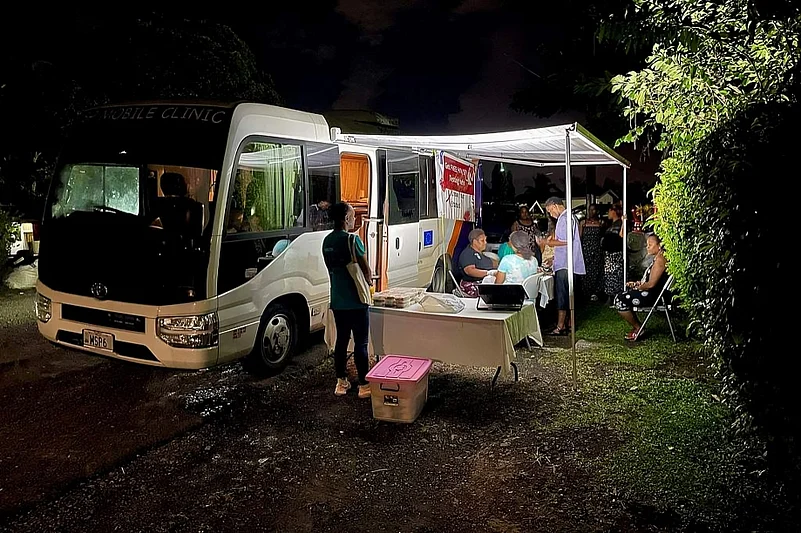
The government is expanding free HIV testing and free treatment for people who test positive. It will also provide clean needles for people who use drugs.
Lalabalavu said more cases were being identified because testing efforts were reaching more people.
Associated Press reported that stigma surrounding HIV remains an issue in Fiji.
“This is about protecting people — not judging them, not watching them, not shaming them,” Lalabalavu said.
Injected Methamphetamine Linked To Rising Infections
Analysts have linked part of the increase in HIV infections to the growing use of injected methamphetamine across the Pacific. Drug trafficking networks have increasingly used island countries in the region as transit hubs.
HIV rates remain low across most Pacific island nations, with Papua New Guinea an exception. Infections there have increased since 2010 to the highest and fastest-growing numbers in the region.
Papua New Guinea declared a national HIV crisis in June 2025.
Associated Press reported that officials in other Pacific island nations are also concerned about possible outbreaks despite relatively low HIV rates. Most Pacific island nations have very small populations, and not all health services are funded or available, making the spread of HIV difficult to curb.
“Fiji’s crisis was a stark reminder to the world that AIDS is not over,” UNAIDS Executive Director Winnie Byanyima said in a statement.