Global fashion brands shifted $254 million in garment orders from Bangladesh between November 1 and 18
India received the largest share of diverted orders, followed by Vietnam, Cambodia and Indonesia
Labour unrest and factory shutdowns caused $428 million in production losses across 317 surveyed factories
India is emerging as the biggest beneficiary of a production crisis in Bangladesh, where labour unrest, factory closures and energy shortages have disrupted garment manufacturing and prompted international fashion brands to move orders to competing countries.
Zara, H&M, Marks & Spencer and Celio were among the brands that shifted orders worth approximately $254 million from Bangladesh between November 1 and 18, with most of the business moving to India, Reuters reported on Friday, citing three factory owners familiar with the matter. Vietnam, Cambodia and Indonesia also received diverted orders.
The figure represents nearly a tenth of Bangladesh's monthly garment orders. The brands either declined to comment or did not respond to Reuters' requests for comment.
The Bangladesh Garment Manufacturers and Exporters Association (BGMEA) separately reported that 317 factories surveyed had recorded $428 million in production losses during the first 18 days of November. Around 59 million pieces of confirmed garment orders had been shifted to competing countries, according to the industry body's findings, reported by Bangladesh's state news agency. More than 600 factories were reportedly affected.

Bangladesh's Garment Industry Under Pressure
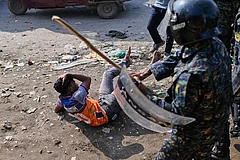
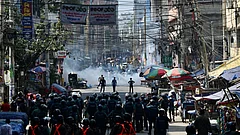
The disruption follows months of wage protests and labour unrest across Bangladesh's garment manufacturing centres, particularly around Dhaka and Gazipur. Factory shutdowns have interrupted production schedules, with some manufacturers reportedly losing between 20 and 25 working days.

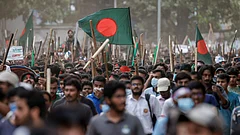
The government-appointed Minimum Wage Board approved an increase in the minimum monthly wage for garment workers from Tk 12,500 to Tk 17,000, a rise of around 36%, following negotiations between workers' and employers' representatives. Workers had initially demanded Tk 30,000, while two board members supported a higher minimum of Tk 18,000.
Rising labour costs have added to manufacturers' difficulties, alongside energy shortages and political uncertainty. Bangladesh's garment industry accounted for $38.7 billion of the country's $48 billion in total exports in the 2025–26 financial year, representing more than 80% of export earnings. The sector employs approximately 4.4 million workers.

Why India Is Gaining Orders
India's established textile and apparel manufacturing base has made it an alternative sourcing destination as international buyers look for more reliable production schedules. According to the Ministry of Textiles, India's textile and apparel exports reached Rs 3.09 lakh crore in 2025–26, with ready-made garment exports accounting for Rs 1.39 lakh crore.
The India-UK free trade agreement could also improve the competitiveness of Indian apparel in the British market, where Bangladesh has traditionally benefited from preferential trade access.
Reuters reported that buyers are increasingly prioritising delivery reliability alongside manufacturing costs. Some Bangladeshi factories have struggled to meet shipment schedules, forcing buyers to consider alternative suppliers.
Whether the diverted orders translate into a lasting shift remains uncertain. Bangladesh's established manufacturing infrastructure and export relationships remain significant advantages, but continued production disruptions could influence where international brands place future orders. For India, the immediate opportunity lies in converting temporary sourcing decisions into longer-term business relationships.