



BJP and SAD have reunited after a six-year break, ahead of the 2027 Punjab Assembly elections.
The alliance won 68 seats in 2012 but saw its tally fall to 18 in 2017.
After contesting separately in 2022, both parties face the challenge of regaining lost ground together.
After contesting the 2022 Punjab Assembly elections and the 2024 Lok Sabha elections separately, long-time allies Bharatiya Janata Party (BJP) and the Shiromani Akali Dal (SAD) are joining hands again after a six-year break. This renewed alliance is set to change the political eqautions in Punjab ahead of the 2027 Assembly elections.
The two parties governed Punjab together for two consecutive terms before suffering a sharp electoral decline in 2017. Their alliance ended in 2020 after the SAD withdrew from the National Democratic Alliance (NDA) over the Centre's three farm laws.
Announcing the reunion on Tuesday, Union Home Minister Amit Shah said the SAD would retain the Chief Minister's post if the alliance wins the 2027 Assembly elections.
Back in 2012, the SAD won 56 seats with 34.73% of the vote, while the BJP secured 12 seats with a 7.18% vote share, according to the Election Commission of India. The joint seat count of the two allies hit the 68 mark out of Punjab's 117 Assembly seats, polling a combined 41.91% of the votes.
Their electoral performance declined sharply in 2017, when the two parties managed just 18 seats between them. In 2022, contesting separately, the SAD won three seats, while the BJP secured two.


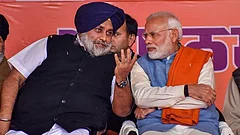
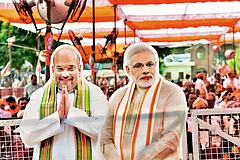

SAD-BJP Alliance's Consecutive Victories
After 2007, the SAD-BJP alliance secured a second consecutive term in Punjab in the 2012 Assembly elections, winning 68 of the state's 117 seats.
The SAD won 56 of the 94 constituencies it contested, with a vote share of 34.73%. The BJP, which contested 23 seats, won 12 with 7.18% of the votes. Together, the two parties secured 41.91% of the total votes polled.
The Congress, meanwhile, won 46 seats with a vote share of 40.09%. Although it individually polled a higher share of votes than the SAD, it fell short of the alliance's combined seat tally. Thus the SAD-BJP government continued in power.
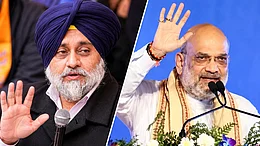
2017: SAD-BJP Alliance Loses Ground After 10 Years
The SAD-BJP alliance suffered a major electoral setback in the 2017 Assembly elections, with its combined tally falling from 68 seats in 2012 to 18.
The SAD won 15 seats, down from 56 in the previous election, while its vote share declined from 34.73% to 25.24%. The BJP's tally also fell from 12 to three seats, with its vote share dropping from 7.18% to 5.39%.
Together, the two parties secured 30.63% of the votes, compared to 41.91% in 2012.
The Congress won 77 seats and formed the government, while the Aam Aadmi Party (AAP), contesting its first Punjab Assembly election, emerged as the second-largest party with 20 seats.
The results marked a significant shift in the electoral support enjoyed by the SAD and BJP after a decade in government.
SAD And BJP Contest Separately In 2022
The 2022 Assembly elections marked another setback for both parties, which contested the polls separately following their split in 2020.
The SAD won three seats, with its vote share falling further to 18.38%. The BJP secured two seats, although its vote share increased to 6.60% from 5.39% in 2017.
The AAP swept the election, winning 92 of the state's 117 seats and forming the government.
While the BJP registered an increase in its vote share, neither party managed to regain its earlier electoral position.

Why Does The SAD-BJP Alliance Matter ?
The SAD-BJP alliance brings together two parties with traditionally different support bases in Punjab. SAD has historically relied on rural Sikhs, particularly Jat Sikh farmers, and urban Sikh traders, primarily in Punjab's Malwa region.
Under their previous seat-sharing arrangement, the SAD contested 94 seats, while the BJP fielded candidates in 23. The partnership secured 68 seats with a combined 41.91% vote share in 2012, but its tally fell to 18 seats in 2017.
In the 2022 Assembly elections, when the two parties contested separately, the SAD won three seats with 18.38% of the vote, while the BJP secured two seats with a 6.60% vote share.
Their reunion could help consolidate their organisational networks and support bases. However, the fallout over the farm laws, the SAD's declining electoral strength and the AAP's victory with 92 seats in 2022 remain significant challenges. The 2027 election will test whether the former allies can regain lost ground.








