



Sachin Tendulkar remembered lost lives, fallen police officers, and ordinary citizens who helped strangers or opened their doors when they could have walked away
Sehwag paid special tribute to ASI Tukaram Omble for holding onto an AK-47 barrel despite being shot, helping capture Ajmal Kasab alive
BCCI President Mithun Manhas, the All India Football Federation, Mumbai Indians, and Rajasthan Royals also posted tributes
The Indian sports fraternity paid tribute to the victims and bravehearts of the 26/11 Mumbai terror attacks on Thursday.
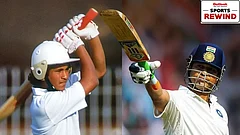
Leading the tributes, batting legend Sachin Tendulkar took to X to pay homage to the victims and honour the police officers who laid down their lives to protect citizens.
"26/11 is a day when we remember the lives we lost, but also the many ordinary people who did extraordinary things," Tendulkar wrote.
"Some helped strangers, some opened their doors, and some simply stayed and helped when they could have walked away. Remembering these unsung heroes today," he added.
Former India opener Virender Sehwag also shared a post remembering the victims, paying special tribute to Assistant Sub-Inspector Tukaram Omble, who sacrificed his life to pin down terrorist Ajmal Kasab so he could be captured alive.
"Some acts of courage are beyond imagination. One of the greatest sons of Bharat Mata, ASI Tukaram Omble ji held on to the barrel of an AK-47 despite being shot, ensuring that Ajmal Kasab was captured alive. Koti Koti Naman to the great man, jitna shukraguzar rahein utna kam hai. Jai Hind," Sehwag wrote.



The All India Football Federation (AIFF), Mumbai Indians, and Rajasthan Royals also joined in paying their respects, while BCCI President Mithun Manhas posted, "Remembering our bravehearts."
A Black Day
Beginning on the night of November 26, 2008, and lasting until November 29, a coordinated series of attacks across Mumbai by 10 terrorists affiliated with Lashkar-e-Taiba struck high-profile landmarks, hotels, and public spaces.
Key targets included Chhatrapati Shivaji Terminus, Leopold Cafe, two hospitals, Nariman House, and the Taj Mahal Palace and Oberoi-Trident hotels. The four-day assault killed 166 people and injured roughly 300 others.
Security forces killed nine of the attackers during operations, while Ajmal Amir Kasab was taken alive, sentenced to death in 2010, and executed in 2012.








