Russia is moving to close German cultural centres, including Goethe-Institut locations, amid an escalating diplomatic dispute with Berlin
Germany has accused Russia of orchestrating a failed explosives-laden drone attack near a Ukrainian aircraft at Leipzig/Halle Airport; Moscow denies the allegation
The retaliatory measures mark a further deterioration in Russia-Germany relations and are now extending into cultural diplomacy
Russia will close German cultural centres, including Goethe-Institut facilities, in retaliation for measures Berlin announced after accusing Moscow of orchestrating a failed drone attack at Leipzig/Halle Airport, AP reported.
The diplomatic dispute follows the discovery on August 4 of a drone carrying explosives near a Ukrainian aircraft at the airport. German authorities said an investigation had led them to conclude that Russia was responsible for the attempted attack, which caused no casualties. Moscow has denied the allegation and dismissed Berlin’s claims as politically motivated, according to AP.

Diplomatic Retaliation
Germany responded by announcing the closure of the Russian Consulate General in Bonn and the Russian House cultural centre in Berlin, as well as further measures against Russian personnel.
The German government said the measures were a response to what it described as a Russian hybrid attack on German soil. At a government press conference on September 2, Chancellor Friedrich Merz’s office said the attribution to Russia was based on three strands of investigation: the suspected attack pattern and equipment used, police investigations and intelligence findings. German officials said all three pointed to Russia.


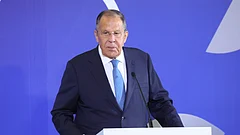
German Foreign Minister Johann Wadephul said the incident formed part of what Berlin considers a wider pattern of Russian attempts to destabilise, threaten and conduct sabotage in Europe. He said Germany wanted to avoid escalation while continuing to support Ukraine.
Goethe Institutes In Focus
The Russian response targets Germany’s cultural presence in the country.
AP reported that Moscow would shut Goethe-Institut locations in Moscow, St Petersburg and Yekaterinburg. The move would further shrink the space for German cultural and educational activities in Russia after years of worsening bilateral relations.
Berlin had already been examining the legal arrangements governing the Russian House in the German capital and the Goethe-Institut in Moscow. German officials said the two institutions are connected through bilateral agreements covering their operations and property arrangements.
At a Wednesday press briefing, Germany’s Foreign Office said the Russian House's operation as a cultural institute had been formally terminated, with its cultural-institution agreement due to expire in the middle of 2027. Berlin also said Russian staff assigned to the facility would be required to leave Germany. German officials acknowledged that Russian retaliation could affect the Goethe-Institut because of the institutional links between the two sides.

Relations Deteriorate
The latest moves mark another step in the deterioration of German-Russian relations since Russia's invasion of Ukraine.
Berlin says Russian activity in Germany increasingly extends beyond conventional diplomacy into what it describes as hybrid operations, including sabotage, disinformation and threats. German officials have said the government is strengthening protections against such activity while maintaining support for Ukraine.
Moscow, meanwhile, rejects the German government's attribution of the Leipzig airport incident and has condemned Berlin's response.
The dispute over the drone has consequently spilled into an area once kept relatively separate from the broader confrontation: cultural diplomacy. With both countries now taking measures against each other's institutions, the space for German-Russian cultural engagement is also narrowing.