



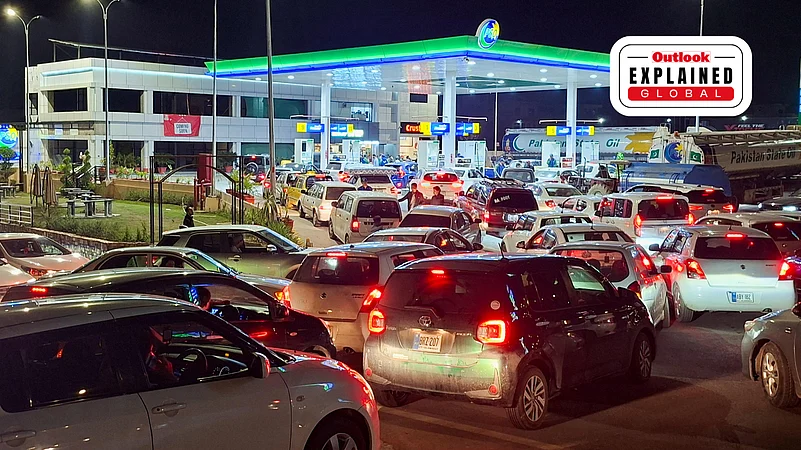
Pakistan has introduced fresh austerity measures including a 50% cut in fuel allocations for most official vehicles, restrictions on government travel and tighter public spending
For ordinary Pakistanis, the most visible measures include earlier closing times for shops, markets, restaurants and marriage venues, alongside continued restrictions on weddings
The government has paired the cuts with targeted fuel relief for eligible consumers as higher global energy prices and regional disruption put pressure on Pakistan’s import bill
Pakistan has announced another round of fuel conservation and austerity measures as the government tries to limit fuel consumption and public spending amid higher international oil prices and disruption to energy supplies linked to the conflict in West Asia.
The measures, announced on Thursday, include a 50% cut in fuel allocations for official vehicles for three months, a ban on new government vehicle purchases, restrictions on foreign travel and a 5% reduction in the Non-ERE Budget. They also continue restrictions on market and restaurant timings and the single-dish rule for marriage-related events.
For ordinary Pakistanis, the most visible effects are the 9 PM closing time for shops and markets, 10 PM closing time for marriage halls and similar venues, and 11 PM closing time for restaurants and food outlets. The government has also kept the single-dish policy in place for marriage-related functions.


The government has introduced a targeted fuel-relief scheme alongside the austerity measures. Officials said on Friday that 24 million people were benefiting from it, with Rs 100 per litre relief for petrol available to owners of motorcycles, rickshaws, Qingqis and cars up to 800cc.
So what exactly has changed, and why has Pakistan reached this point again?
Where The Government Is Cutting Back
The most direct government measure is the 50% reduction in fuel allocations for official vehicles.
The cut applies for three months. Operational vehicles of the armed forces, civil armed forces, law-enforcement agencies and essential services are exempt, while administrative and non-operational vehicles remain covered. The Federal Board of Revenue is also exempt at the operational level.
The government has also imposed a 5% reduction in the Non-ERE Budget for the current fiscal year, with deductions made monthly. Foreign missions are included, although spending on rents, educational fees and medical-care arrangements will continue.
There is also a complete ban on new government vehicle purchases and on the purchase of durable goods, apart from IT-related equiPMent. Official foreign visits and travel have been banned for three months, with exemptions for certain scholarships, training and institutional programmes. Where foreign travel is unavoidable, ministers, advisers and officials have been directed to travel in economy class.
Government meetings are to make greater use of video and teleconferencing, while official dinners, seminars, training programmes and conferences are also being restricted.
The aim is to reduce government consumption and expenditure while conserving fuel at a time of higher global energy prices.
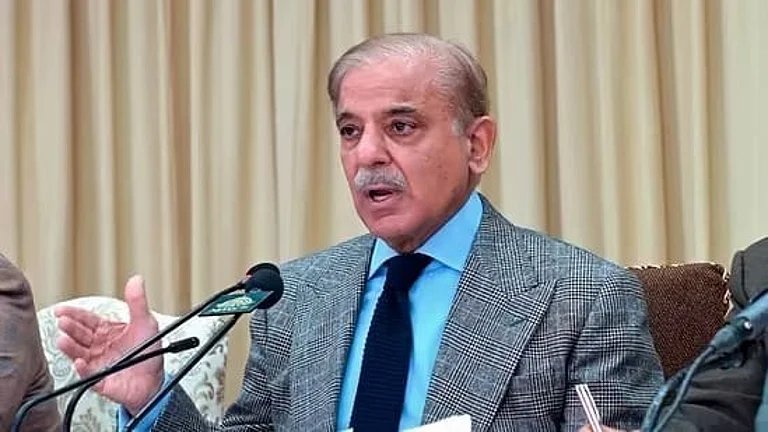
Prime Minister Shehbaz Sharif said the measures were being introduced because of rising international petroleum prices amid tensions in the Middle East and argued that the government and elite should make sacrifices first.

What Changes After 9 PM?
The measures become more visible outside government offices.
Shops, markets, shopping malls, bazaars and general stores must close by 9 PM. Marriage halls and other commercial venues hosting festive events must close by 10 PM, while restaurants, cafés, eateries and food outlets must close by 11 PM. Standalone fruit and vegetable shops also fall under the 11 PM limit. Takeaway and home-delivery services are exempt from the restaurant closing rule.
Several essential services are exempt, including pharmacies, hospitals, clinics, laboratories, bakeries, tandoors, milk and dairy shops, fuel and CNG stations, electric-vehicle charging stations, gyms, sports facilities, IT companies and call centres.
For families, the government has also continued the single-dish policy at marriage-related functions and events.
For businesses and consumers, that means less time for evening commerce and tighter restrictions around weddings and other functions. The Federal Government has also asked provincial and regional governments to consider adopting similar fuel-conservation and austerity measures.
Fuel Prices Reach A New High
The immediate pressure is the international energy shock.
On Thursday, Pakistan set the price of petrol at PKR 390.79 per litre and high-speed diesel at PKR 424.92 per litre. Petrol was reduced by 43 paisas for the new fortnight, while diesel rose by PKR 3.47 per litre.
The increase becomes clearer over a longer period.
On February 16, petrol was PKR 258.17 per litre and high-speed diesel Rs 275.70. By Thursday, petrol had risen by more than PKR 132 per litre and diesel by more than PKR 149 per litre.
That means the latest austerity drive comes after months in which fuel costs have risen sharply.
The government has linked the current pressure to higher international petroleum prices following the escalation of conflict in the region. Its Finance Division has also been monitoring crude and refined-product stocks, imports, refinery operations and maritime logistics as global energy markets have remained volatile.

The Import Dependence Behind The Shock
Pakistan's vulnerability is also structural.
The Pakistan Economic Survey 2025-26 says petroleum imports remained the largest component of the country's import bill, accounting for 22.2% of total imports during July-March FY2026. Petroleum imports were worth $11.2 billion during the period. Crude-oil import volumes rose to 63.2 million barrels from 54.6 million barrels a year earlier.
The country's energy exposure extends beyond crude and petroleum products to LNG. Pakistan's February trade data lists petroleum crude, petroleum products and liquefied natural gas among its leading imports.
In April, the State Bank of Pakistan also changed foreign-exchange procedures specifically to facilitate imports of crude oil, petroleum products and LNG “in view of the ongoing geopolitical situation”.
The economic consequence of an international energy shock is therefore larger than the price at the petrol pump. Higher import costs can put pressure on foreign exchange and energy-intensive sectors while raising transport and production costs.
How The West Asia War Hit Pakistan’s Energy Supply
Pakistan entered the latest crisis with an energy system exposed to international fuel and shipping markets.
The 2025-26 Economic Survey says the Middle East crisis reversed the earlier decline in oil prices, with Brent crude rising from an average of $62.7 a barrel in December 2025 to $103.7 in March 2026 following the escalation of the US-Iran conflict. The government responded with energy-conservation measures and closer monitoring of petroleum supplies.
The Finance Division began closely monitoring fuel stocks, imports, refinery operations, shipping arrangements and international prices as regional tensions intensified. Its March 9 update said the government was assessing energy-conservation and demand-management measures to reduce pressure on fuel imports.
The disruption has also affected LNG. The Power Division said on Tuesday that disruptions in RLNG supplies pushed spot cargo prices to $23–25 per MMBtu, prompting Pakistan to increase use of domestic gas and avoid buying more expensive RLNG.
Pakistan Has Been Here Before
The September measures are the latest in a series of fuel-conservation drives introduced this year.
On March 9, Prime Minister Shehbaz Sharif announced a 14-point austerity plan in response to the economic pressure caused by the regional war. It included a four-day working week for many sectors, work-from-home arrangements for half of the staff of public and private institutions apart from essential services, temporary school closures and a 50% reduction in fuel quotas for public-sector institutions.
The March plan also included a 20% cut in government expenditure and restrictions on procurement, while unnecessary official foreign travel was curtailed.
On March 23, the prime minister separately banned the use of high-octane fuel in government vehicles, saying the move would reduce government expenditure and support the wider austerity drive. He said a 50% fuel cut for government vehicles and the grounding of 60% of government vehicles had already been implemented.
On June 20, the federal government withdrew the additional fuel-conservation and austerity restrictions introduced in March, while retaining some existing measures on commercial timings.
The current announcement therefore brings back a broader conservation drive after several earlier restrictions had been lifted.
Who Gets Relief At The Pump?
The government has paired the new restrictions with targeted support.
Under the Prime Minister's Fuel Relief Scheme, motorcycles and rickshaws receive relief equivalent to Rs 100 per litre, while Qingqis and cars up to 800cc are also eligible. On Monday, the Economic Coordination Committee approved Rs 75 billion for the scheme.
Officials said on Friday that 24 million people were benefiting from the programme.
The scheme is targeted rather than universal: the relief is restricted to non-commercial users and is limited to one vehicle per user or owner.
That leaves the government's response with two parts: reduce demand and public-sector consumption while cushioning some consumers from higher fuel costs.

What The Government Is Trying To Save
The immediate objective is to reduce fuel consumption, conserve foreign exchange and contain the fiscal pressure created by expensive energy imports.
The Thursday measures focus heavily on government consumption: fewer official vehicle allocations, restrictions on travel, reduced procurement and tighter controls on government-funded events.
For the public, the changes are more visible in the form of earlier closing times, restrictions around weddings and continued exposure to high petrol and diesel prices.
Pakistan can reduce demand through conservation, but the underlying vulnerability remains its exposure to international energy prices, fuel imports and shipping conditions.
The latest austerity drive is therefore not simply about cutting official fuel quotas or closing shops earlier. It is the government's attempt to manage an energy shock that has moved from global oil and gas markets into Pakistan's import bill, public spending and everyday life.














