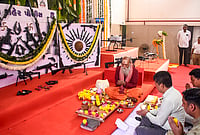
Vasant Panchami marks the gentle arrival of spring in India. It is a festival filled with freshness, learning, and quiet joy. While the essence of the celebration remains the same across the country, different cities and regions welcome the season in their own unique ways, shaped by local culture and tradition.
Vasant Panchami 2026: The Key Facts
Date in 2026: | January 23 2026 (Friday) |
Dedicated To: | Goddess Saraswati the deity of knowledge music and arts. |
Key Color: | Yellow (Basanti) symbolizing spring auspiciousness and mustard fields. |
Core Theme: | Welcoming spring the pursuit of knowledge and new beginnings. |
North India: Devotion, Kites, and Spring Energy
In cities across Punjab, Haryana, Uttar Pradesh, Delhi, and Rajasthan, Vasant Panchami is celebrated with both religious devotion and festive excitement. Homes and schools hold Saraswati Puja, where students place books and musical instruments before the goddess, seeking her blessings for wisdom and success.
Kite flying is a popular activity in many northern cities. The sky fills with colourful kites, symbolising freedom, joy, and the playful spirit of spring. People wear yellow clothes, prepare seasonal sweets, and enjoy the pleasant weather as winter slowly fades away.
Eastern India: Saraswati Puja at the Heart of the Festival
In Kolkata and other cities of West Bengal, Bihar, Odisha, and Jharkhand, Vasant Panchami is almost synonymous with Saraswati Puja. Schools, colleges, and neighbourhoods set up beautifully decorated idols of Goddess Saraswati.
Students dress in yellow, offer flowers, and pray for knowledge and creativity. Cultural programs, music, and recitations add to the festive mood. For many young learners, this day is special as books are worshipped and studies are resumed with renewed focus after the rituals.
Western India: Colourful Traditions and Community Joy
In Gujarat, Maharashtra, and Madhya Pradesh, Vasant Panchami is observed with a mix of prayer and celebration. People decorate homes with flowers and wear yellow or light-coloured clothes to welcome spring.
In some cities, traditional songs and folk performances reflect the joy of the season. Families pray for prosperity and good health, while sweets made with saffron, turmeric, or gram flour add a festive touch to the day.
Southern India: Learning, Art, and Respect for Knowledge
In cities across Tamil Nadu, Karnataka, Andhra Pradesh, and Kerala, Vasant Panchami is celebrated with a focus on learning and skill. Special prayers are offered to Goddess Saraswati in temples and schools.
Books, musical instruments, and tools are placed before the goddess as a sign of respect for education and work. Traditional dishes are prepared and shared, and students begin new lessons or artistic pursuits, marking the day as auspicious for learning.
Common Spirit Across Cities
Despite regional differences, some elements remain common across India:
Worship of Goddess Saraswati
Use of the colour yellow to symbolise warmth, hope, and renewal
Celebration of learning, creativity, and new beginnings
Vasant Panchami beautifully reflects India’s cultural diversity. From kite-filled skies in the north to Saraswati Puja in the east, from folk traditions in the west to learning-focused rituals in the south, every city welcomes spring in its own way. Yet, the message is shared by all, a fresh season has arrived, bringing knowledge, positivity, and the promise of new beginnings.
Frequently Asked Questions (FAQs)
Q1: When is Vasant Panchami in 2026?
A: Vasant Panchami will be celebrated on Friday, January 23, 2026.
Q2: Why is the color yellow so important on Vasant Panchami?
A: Yellow symbolizes the vibrant yellow flowers of the mustard crop, which blooms during spring. It also represents the warmth of the sun, auspiciousness, and the vibrant energy of a new season.
Q3: Is Vasant Panchami a public holiday?
A: Vasant Panchami is a restricted holiday in many parts of India. In states like West Bengal, Bihar, and Odisha, schools and educational institutions are often closed for the Saraswati Puja celebrations.
Q4: What is the most famous place to celebrate Saraswati Puja?
A: For cultural and artistic celebrations, Kolkata is arguably the most famous. For deeply spiritual and traditional learning rituals like the Aksharabhyasam ceremony, the Gnana Saraswati Temple in Basara, Telangana, is the most renowned destination.