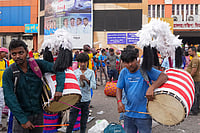
Durga Puja is one of the most important festivals of Bengal, a festival of community, devotion, art, music and cultural tradition. The festival celebrates the victory of Goddess Durga over Mahishasura, which symbolises the victory of good over evil and courage over fear. The major Durga Puja celebrations in West Bengal in 2026 will be Maha Shashthi on October 16, Maha Saptami on October 18, Maha Ashtami on October 19, Maha Navami on October 20 and Vijaya Dashami on October 21.
Exact observances may vary slightly with local calendars and the tithi followed by each puja committee. There are lots of rituals to be performed during these days. Sandhi Puja, Sindoor Khela, Dhunuchi Naach and Pushpanjali hold a special place. Every ritual has its spiritual significance and provides devotees a way to express devotion, thankfulness and an emotional bond with the Goddess.
Durga Puja 2026: Key Rituals
The festival begins with rituals such as Bodhan, Kalparambha, Amantran and Adhivas, through which the Goddess is ceremonially invoked. On Saptami, the Nabapatrika is bathed and worshipped. Nabapatrika is a group of nine plants symbolising the nine forms or energies of the Goddess. The ritual reflects the close relationship between Shakti, nature and fertility.
Ashtami is widely regarded as one of the most sacred days. Devotees offer Pushpanjali, observe fasting, participate in Kumari Puja and attend the powerful Sandhi Puja. Navami includes special offerings, bhog, homa and devotional performances. Dashami marks the farewell of the Goddess through rituals such as Sindoor Khela, Darpan Bisarjan and immersion.


Sandhi Puja: Significance and Rituals
Sandhi Puja takes place at the sacred transition between Ashtami and Navami. The word “sandhi” means "junction" or "meeting point". Traditionally, it consists of the final 24 minutes of Ashtami and the first 24 minutes of Navami, creating a spiritually significant period of 48 minutes.
According to the Devi Mahatmya tradition, this moment is associated with Goddess Durga’s fierce Chamunda form defeating the demons Chanda and Munda. For this reason, Sandhi Puja represents the destruction of negative forces and the awakening of divine power.
During the ritual, priests perform special worship before the idol. In many Bengali traditions, 108 lamps and 108 lotuses are offered to the Goddess, while conch shells, bells and dhaak create a deeply powerful atmosphere. Some temples also perform animal sacrifice, while many modern puja committees use symbolic offerings such as pumpkins, sugarcane or other fruits. The practice depends on regional customs and the beliefs of the organisers.
Sandhi Puja is considered a time for intense prayer. Devotees often pray for protection, courage, the removal of obstacles and the strength to overcome personal struggles.

Sindoor Khela: Meaning and Tradition
Sindoor Khela is performed on Vijaya Dashami, before the idol of Goddess Durga is taken for immersion. Married women offer vermilion, sweets and other auspicious things to the Goddess before putting sindoor on her forehead and feet. They then smear each other with vermilion, often with music, laughter and emotional farewell rituals. Sindoor is linked to marital prosperity, well-being and auspiciousness. By this ritual, women pray for the long life, health and happiness of their husbands and families. Also, the belief is that the goddess visits her parental home for a few days and then returns to her heavenly home as a daughter.
In contemporary celebrations, the meaning of Sindoor Khela is gradually becoming more inclusive. Many communities encourage women from different backgrounds to participate respectfully, while some organisations also focus on celebrating sisterhood, friendship and collective strength rather than restricting the ritual to a single social category.
Sindoor Khela is both joyful and emotional. It reflects the Bengali idea of “Bisorjon” as a farewell filled with hope: although the idol leaves, the goddess remains present in the hearts and homes of devotees.
Dhunuchi Naach: Significance and History
Dhunuchi Naach is a traditional devotional dance performed with a dhunuchi, an earthen incense burner containing burning coconut husk, charcoal and fragrant resin. Dancers move rhythmically to the sound of dhaak while holding the smoking vessel in their hands or balancing it carefully.
The ritual is an offering to Goddess Durga. The rising incense smoke is believed to purify the surroundings and carry the devotee’s prayers towards the divine. The dance also represents joy, surrender and the celebration of Shakti.
Dhunuchi Naach is most commonly seen during Navami, although it may also be performed on Saptami or Ashtami evenings. Participants traditionally wear Bengali attire such as sarees, dhotis or kurtas. In many community pujas, dhunuchi competitions are organised, but the devotional nature of the ritual should remain more important than competition.
Because the dhunuchi contains burning material, participants should take care to avoid loose clothing, overcrowded spaces and unsafe handling. Organisers should ensure proper ventilation, fire safety and medical assistance when necessary.
Pushpanjali: Ritual and Importance
Pushpanjali is offering flowers to the god. It is perhaps the most popular and accessible of the rituals of Durga Puja. Devotees hold flowers and bel leaves in their hands. Priests sing Sanskrit mantras and hymns. Everyone places the flowers at the feet of Goddess Durga at the right time. Pushpanjali is not a symbolic offering. The flowers stand for purity, humility and the sincere intentions of the devotee. People mentally surrender their worries, ego and negative thoughts in front of the Goddess.
Pushpanjali is especially popular on Ashtami morning. Many devotees wear traditional clothes, attend the puja with family members and join the chanting. Those who cannot recite Sanskrit mantras may simply repeat the Goddess’s name and pray with devotion. In spiritual terms, sincerity is considered more important than perfect pronunciation or elaborate offerings.
The ritual is also a powerful community experience. People from different age groups and backgrounds gather together, chant in unison and share the same sense of devotion.
When Are These Rituals Performed?
The rituals in the 2026 Durga Puja calendar followed in West Bengal are usually celebrated in the following way:
Sandhi Puja: It is performed at the junction of Ashtami and Navami, i.e., at the last 24 minutes of Ashtami and the first 24 minutes of Navami. The precise clock time is determined by the local tithi.
Pushpanjali: Mainly on Ashtami morning, although some puja committees arrange additional sessions on Saptami and Navami.
Dhunuchi Naach: Most commonly performed during Navami, especially after the evening arati, though timings vary by puja committee.
Sindoor Khela: On Vijaya Dashami, before or around the time of the Goddess’s departure for immersion.
Immersion: Usually begins on Dashami after the farewell rituals, with the exact timing determined by the local calendar and procession arrangements.
Devotees should check the schedule of their local puja committee because Sandhi Puja and other rituals depend on the precise lunar tithi, which can vary by location.

Sandhi Puja, Sindoor Khela, Dhunuchi Naach and Pushpanjali reveal the many dimensions of Durga Puja. Sandhi Puja expresses the Goddess’s fierce power, Pushpanjali represents surrender and prayer, Dhunuchi Naach celebrates devotion through music and movement, and Sindoor Khela turns farewell into an expression of love, hope and community. Together, these rituals make Durga Puja more than a religious festival; they create a living cultural tradition that connects spirituality, family, art and society. As devotees welcome Maa Durga in 2026, the deeper message remains timeless: negativity may appear powerful, but faith, courage, compassion and collective strength ultimately prevail.