


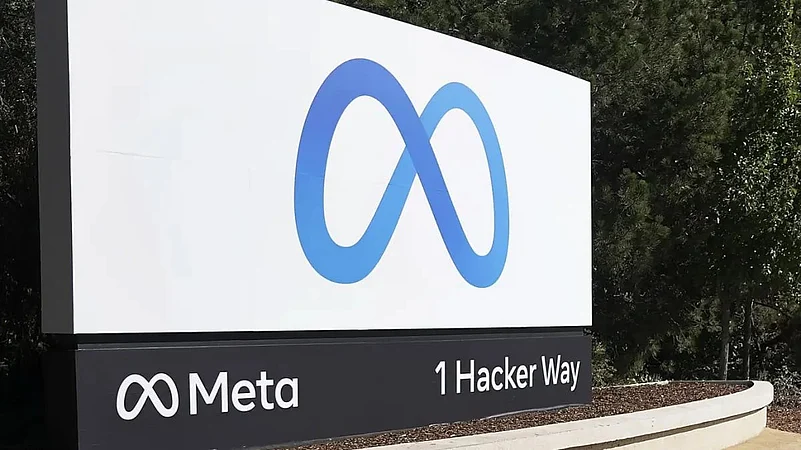
A New Mexico state court ordered Meta to pay a $567 million penalty and implement extensive safety overhauls for young users.
Judge Bryan Biedscheid ruled that Meta created a public nuisance by designing addictive platforms and failing to protect children from sexual exploitation.
The mandated safety measures include monthly usage limits for teenagers, notification restrictions, and tighter controls on adult contact with minors.
A court ordered Meta to pay $567mn. The New Mexico judge also mandated a complete restructure of safety protocols for young users after ruling that the platform damaged the mental health of minors. This penalty ranks among the largest legal actions targeting a social media firm over youth safety.
The decision backed Attorney General Raúl Torrez. Judge Bryan Biedscheid found Meta liable for causing a public nuisance within New Mexico, ruling that the company engineered Facebook and Instagram to hook minors. The platform did not protect children from sexual abuse, Torrez said.
The ruling is expected to influence similar lawsuits across the United States.
Mandated Safety Overhauls
The court directed Meta to implement a series of youth safety measures for the next five years. These include monthly usage limits for teenagers, restrictions on notifications, tighter controls on adult contact with minors, safeguards for AI chatbots and enhanced review of child sexual abuse reports.


The financial penalty will fund programmes addressing the impact of social media on children. The court allocated $420mn to treatment services for young people, while the remaining $147mn will support awareness campaigns, prevention initiatives and screening services over the next five years.
Meta Mounts Appeal
Meta stated it would appeal the ruling, maintaining that it has continued to strengthen protections for young users and remove harmful content from its platforms.
"We remain confident in our record of protecting teens online and will continue to defend ourselves against claims that misrepresent the facts," Meta stated.
The ruling follows the first phase of New Mexico's lawsuit, in which a jury in March found that Meta violated the state's consumer protection law by misrepresenting the safety of Facebook and Instagram for young users. Jurors imposed $375mn in civil penalties, concluding that the company knowingly harmed children's mental health and concealed what it knew about child sexual exploitation on its platforms.
The second phase of the trial, heard without a jury over three weeks, focused on whether Meta's platforms constituted a public nuisance under New Mexico law. Prosecutors sought sweeping changes to the company's products, including curbing addictive features, improving age verification and strengthening default privacy settings to protect children better.
Limits of Ruling
However, the court declined to require mandatory age verification for children under 13, noting that the federal Children's Online Privacy Protection Act (COPPA) prevents platforms from collecting additional personal information or passively tracking children for that purpose.
Biedscheid said imposing such a requirement only on Meta, and not on other social media companies, would be "inequitable and unduly injurious" to the company.
The case is being closely watched as states, municipalities and school districts across the United States pursue similar lawsuits seeking industry-wide changes to how social media platforms protect children online.














