Brent crude rises above $102 as Middle East shipping risks intensify
Tanker attacks around Strait of Hormuz raise concerns over energy supplies
Gulf of Mexico production cuts and falling US inventories support oil prices
Oil prices rose on Thursday as concerns over supply from the Middle East deepened amid an increase in attacks on shipping in the Gulf and the Strait of Hormuz, while a hurricane disrupted US offshore production.
Brent crude futures rose $2.28, or 2.28 per cent, to $102.28 a barrel by 0427 GMT, while US West Texas Intermediate (WTI) crude gained $1.66, or 1.88 per cent, to $89.94, Reuters reported.
The gains came a day after oil prices settled lower following an International Energy Agency decision to accelerate the release of oil stocks and prioritise diesel supplies under a plan launched in March. The measures are intended to ease fuel-price pressures and supply disruptions linked to the Iran war.
However, the latest rise highlights persistent concerns over the security of energy shipments from the region.

Tanker Attacks Raise Supply Concerns
Attacks on oil, liquefied natural gas and liquefied petroleum gas tankers around the Strait of Hormuz reached their highest weekly level since the US-Iran war began in February, according to maritime security sources cited by Reuters.

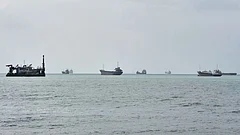
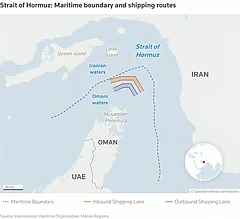

At least 12 attacks, attempted attacks or incidents involving harassment were recorded between September 28 and October 5, while the International Maritime Organization recorded nine incidents during the same period.

The Strait of Hormuz is a critical energy corridor. Before the war, shipments equivalent to about 20 per cent of global oil and fuel supplies passed through the waterway. The increase in attacks has raised the cost and risk of moving cargoes even as Gulf producers seek to increase exports.
In the latest incident, a tanker north of Qatar was struck by multiple projectiles, causing casualties, according to the United Kingdom Maritime Trade Operations agency.

US Output Cuts Add To Price Pressure
Supply concerns are also being reinforced by disruptions in the United States, the world's biggest oil producer and consumer.
Oil companies including Shell and Chevron have curtailed offshore operations in the Gulf of Mexico as Hurricane Isaias approaches. About 25.08 per cent of current oil production and 16.37 per cent of natural gas production in the US Gulf of Mexico had been shut in as of Wednesday, according to the US Marine Minerals Administration.
US inventory data also supported higher prices. Crude stocks fell by 3.2 million barrels to 424.1 million barrels in the week ended October 2, the Energy Information Administration said. Analysts polled by Reuters had expected a decline of 1.7 million barrels.
Distillate inventories, including diesel, also fell slightly and remained below their average level for this time of year over the past five years.
ANZ senior commodity strategist Daniel Hynes said strategic stock releases could temporarily increase supply flows but would not create new production capacity, leaving the market vulnerable to further disruptions.