



Crude exports from the Middle East briefly climbed above pre-war levels in the final week of September.
At least seven vessels have been attacked around the Strait of Hormuz since September 28, threatening the fragile revival in oil shipments.
Rising security, insurance and shipping costs are adding to the risks surrounding a waterway vital to global energy supplies.
Oil shipments through the Strait of Hormuz were recovering towards pre-war levels when the attacks began again. Tankers were moving through the strategic waterway and Gulf producers were restoring exports, but the renewed strikes on shipping have exposed the fragility of that recovery — and the risks facing a route that carries a huge share of the world's energy supplies.
At least seven vessels have been attacked in or around the strait since September 28, according to the UK Maritime Trade Operations, reviving fears that the fragile recovery in Middle Eastern oil shipments could unravel just as quickly as it emerged. The renewed attacks come as crude exports from the region briefly climbed above pre-war levels in the final week of September, Reuters reported.

The Strait That Never Really Became Safe
The numbers tell one story; the ships tell another.
Regional crude exports exceeded pre-war levels on four days in the final week of September, reaching between 19.5 million and 22.5 million barrels a day on some days, according to Kpler data cited by Reuters. But the recovery has depended on an elaborate and expensive choreography: tankers loading inside the Persian Gulf, slipping through Hormuz and transferring their cargo to vessels waiting outside the waterway.


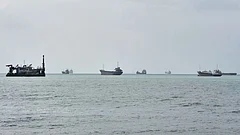
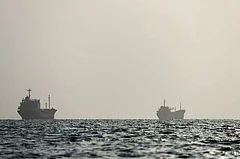

The arrangement has allowed oil to move even as the water beneath the ships remains dangerous. The UKMTO has continued to record attacks involving tankers struck by unknown projectiles, with authorities investigating the incidents. On October 2, a crude-oil tanker reported being hit by an unknown projectile east of Oman; another tanker inside the strait was struck on October 2, causing a small fire and blackout, according to the maritime agency.

A Recovery Built On A Narrow Margin
The cost of keeping that system alive is enormous. The Wall Street Journal reported that Gulf producers are spending tens of millions of dollars on some round-trip shuttle voyages, before insurance costs, while military protection adds another layer of expense. Analysts warn that the recent pace of exports may therefore prove difficult to sustain.
And the market is already listening. Brent crude settled at $102.25 a barrel on Friday, while Reuters reported that traders remained alert to the possibility of renewed supply disruption. The strait normally carries roughly a fifth of the world's daily crude oil and LNG supply, making every tanker that passes through it part of a much larger calculation.
The lesson from Hormuz is therefore uncomfortable: oil can return before normalcy does. The tankers may be moving again, but beneath the apparent calm lies a passage where a single projectile can redraw the map of global energy prices.















