Every year, somewhere around the end of the monsoon, a quiet excitement starts building in homes and neighbourhoods across India. Potters begin shaping clay idols months in advance. Markets fill up with marigold garlands, modak moulds, and pandal decorations. And families start planning who's bringing what for the big day. That's Ganesh Chaturthi season, and in 2026, it's arriving on Monday, September 14th.
If you're new to the festival, gearing up for your first celebration, or just want a refresher on the dates and rituals, here's everything you need to know.
When Is Ganesh Chaturthi in 2026?
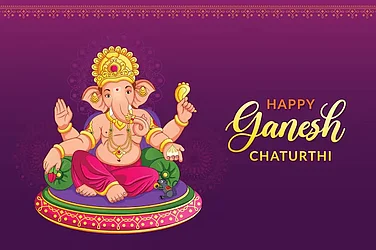
Ganesh Chaturthi 2026 falls on Monday, September 14, marking the start of the ten-day Ganeshotsav festival. The celebrations wrap up with the grand Visarjan (idol immersion) on Anant Chaturdashi, which lands on Friday, September 25, 2026.
Here's the key timing breakdown for the main day:
Chaturthi Tithi begins: 7:06 AM on September 14, 2026
Chaturthi Tithi ends: 7:44 AM on September 15, 2026
Sthapana Muhurat (auspicious idol installation window): 11:02 AM to 1:31 PM on September 14
Moon-viewing restriction: Avoid looking at the moon between 9:01 AM and 8:09 PM on September 14 (more on this superstition below)
Since Ganesh Chaturthi follows the Hindu lunisolar calendar rather than the fixed Gregorian one, its date shifts every year, usually landing somewhere between mid-August and late September. That's why 2025's celebration was in late August, while 2026's falls a few weeks later, in mid-September.
Choosing Your Celebration Length
Not every household keeps Ganesha at home for the full ten days; the duration is a personal or family tradition, and there are several common options depending on how families observe it:
Duration | Visarjan Date |
1.5 Days | Tuesday September 15 2026 |
3 Days | Wednesday September 16 2026 |
5 Days | Friday September 18 2026 |
7 Days | Sunday September 20 2026 |
10 Days (full Ganeshotsav) | Friday September 25 2026 |
Whichever length you choose, the sentiment stays the same, welcoming Ganesha into the home and bidding him a heartfelt farewell when the time comes.
The Story Behind the Festival
Ganesh Chaturthi celebrates the birth of Lord Ganesha, the elephant-headed son of Lord Shiva and Goddess Parvati. According to popular legend, Parvati created Ganesha from turmeric paste (or sandalwood, depending on the version of the story) and breathed life into him to guard her chamber while she bathed. When Shiva returned home and was stopped by this boy, he'd never met, a fierce confrontation followed, ending with Shiva severing the child's head in anger, not realising who he was.
When Parvati revealed the truth, Shiva was devastated. To make amends, he sent his followers to find a replacement head from the first creature they encountered facing north, which turned out to be an elephant. Ganesha was revived with the elephant's head and given a place of honour: he would be worshipped first, before any other deity, in any ritual or new beginning. That's why he's known as Vighnaharta, the remover of obstacles, and why his blessing is sought before starting anything new, a business, a wedding, a house, or even an exam.
The festival itself is thought to have been observed privately in homes for centuries, but its transformation into the large, public celebration we know today has a distinctly political history. In the late 1800s, freedom fighter Bal Gangadhar Tilak turned Ganesh Chaturthi into a community event, using it as a platform to unite people across caste and class against British rule at a time when public gatherings were restricted. Pandals became meeting grounds for cultural programmes, patriotic songs, and speeches disguised as religious festivity. That legacy of collective celebration still defines the festival today, especially in Maharashtra.
Why the Festival Matters
Beyond mythology, Ganesh Chaturthi carries themes that resonate widely:
New beginnings — Ganesha is invoked before starting anything important, making the festival a natural time for resolutions, launches, and fresh starts.
Wisdom and intellect — He's revered as the god of knowledge and learning, often invoked by students before exams.
Community and unity — Thanks to Tilak's influence, the festival is as much about neighbourhoods and public pandals as it is about private, at-home worship.
Impermanence — The ritual of creating an idol, worshipping it intensely for days, and then immersing it in water is a reminder that everything, even the divine as we picture it — is temporary. The dissolution of the clay idol symbolises the cycle of creation and return.
How the Festival Is Celebrated
Bringing Ganesha Home
Weeks before the festival, families and communities order or shape clay idols, ranging from a few inches for home altars to enormous pandal centrepieces towering many feet tall. On the day itself, the idol is installed during the Sthapana Muhurat, and a priest performs Pranapratishtha, a ritual that invokes life into the idol through mantras.
The Puja Rituals
Once the idol is installed, families perform Shodashopachara Puja, sixteen steps of ceremonial worship, offering coconut, jaggery, durva grass, red flowers, and the festival's signature sweet: modak. Legend has it Ganesha has quite the sweet tooth, and modak (along with its cousin, karanji) is made in large batches throughout the celebration. Daily aartis, devotional songs, and visits from family and neighbours fill the days that follow.
The Moon-Viewing Superstition
One quirky tradition tied to Ganesh Chaturthi is the custom of avoiding the moon on the day of the festival. Folklore holds that Ganesha himself was once mocked by the moon for his appearance and cursed it in return — leading to a belief that viewing the moon on Chaturthi invites false accusations or bad luck. Many devotees are careful to steer clear of moon-gazing during the restricted window.
Visarjan: The Farewell
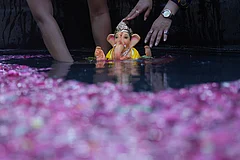
The festival closes with Visarjan, when the idol is carried in a procession — often with music, dancing, and chants of "Ganpati Bappa Morya!" — to a river, lake, or the sea for immersion. It's an emotional moment for many households, symbolising Ganesha's journey back to Mount Kailash to reunite with his parents, Shiva and Parvati, until he returns again the following year.
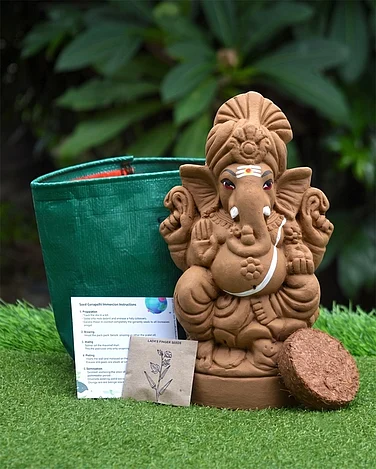
In recent years, environmental concerns around immersing plaster-of-Paris idols and chemical paints in water bodies have pushed many families and communities toward eco-friendly alternatives, clay idols, natural dyes, and even artificial ponds set up specifically for immersion to protect local water sources.
Planning Ahead
Since Ganesh Chaturthi is a public holiday in states like Maharashtra, Karnataka, Goa, and Andhra Pradesh, it's worth checking local school and office schedules if you're travelling or hosting guests. If you're new to organising the celebration, a rough planning timeline looks like this:
2–3 months prior: Order or begin shaping your idol
A few weeks prior: Plan decorations, guest lists, and menu (modak ingredients especially, since demand spikes closer to the date)
Day before: Set up the puja space and finalise the Sthapana Muhurat timing
September 14, 2026: Welcome Ganesha home
Your chosen Visarjan date: Bid a joyful farewell, with a promise to welcome him back next year
However you choose to celebrate, a modest one-day puja at home or the full ten-day Ganeshotsav with a neighbourhood pandal, Ganesh Chaturthi remains one of the warmest, most community-driven festivals on the Hindu calendar. It's as much about devotion as it is about togetherness, sweets, music, and a shared sense that new beginnings are always worth celebrating.