Petrol pump dealers may stop accepting UPI payments above ₹2,000.
Dealers say the ₹5 MDR would further reduce their narrow margins.
Rahul Gandhi termed the charge a “UPI tax” and sought its rollback.
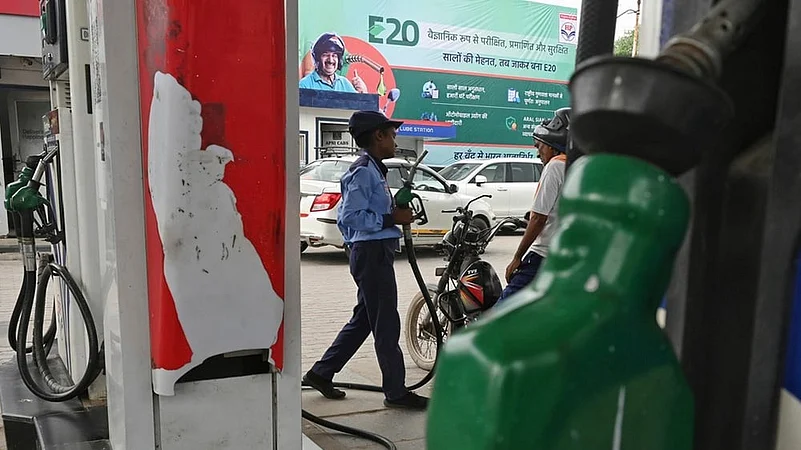
Petrol pump dealers across India have threatened to stop accepting Unified Payments Interface (UPI) transactions of ₹2,000 and above if they are required to pay a flat Merchant Discount Rate (MDR) of ₹5 per payment.
Dealers from Delhi-NCR, Punjab, Uttar Pradesh, Mumbai, Karnataka and Rajasthan told the Hindustan Times that the charge would further squeeze their margins, which range from around ₹2.40 to ₹3.40 per litre and are determined through government-controlled oil marketing companies (OMCs). Several dealers requested anonymity, citing fears of reprisals.
“We may have to stop accepting UPI payments of ₹2,000 and above if exemption is not allowed to fuel retailers,” Federation of All India Petroleum Traders spokesperson Monty Sehgal said.
India had 1,03,023 petrol pumps as of April 2026. More than 90% are operated by dealers of state-run Indian Oil Corporation, Bharat Petroleum Corporation and Hindustan Petroleum Corporation. Private companies such as Nayara Energy, Jio-bp and Shell account for the remainder.
Under the new framework, which takes effect on October 15, fuel payments above ₹2,000 will attract a flat MDR of ₹5. The fee will be imposed on merchants rather than customers, but dealers argue that it would add to their operating costs.


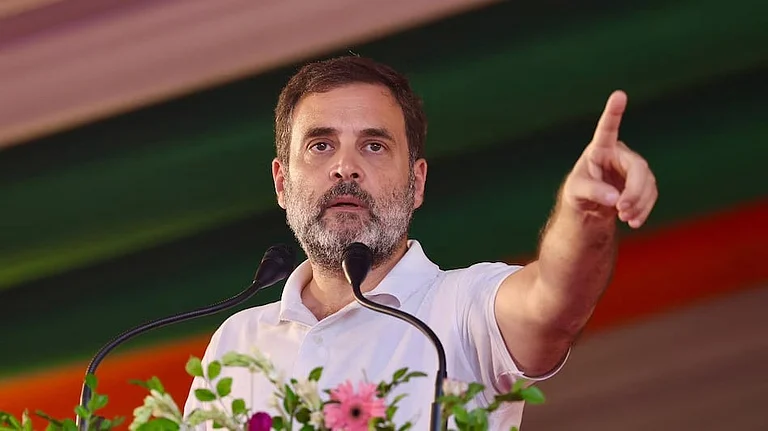
Rahul Gandhi Calls It A ‘UPI Tax’
Congress MP and Leader of Opposition Rahul Gandhi demanded an immediate withdrawal of the framework, describing it as a “UPI tax” and alleging that the decision was intended to benefit the United States.
In a video posted on X with the caption, “Modi ji, roll back the UPI tax. Now”, Gandhi accused Prime Minister Narendra Modi of yielding to US President Donald Trump.
“Modiji is completely different. He is neither left nor right. He has decided to lie down straight and prostrate himself in front of Donald Trump,” Gandhi said.
“He has put a tax on every single Indian person by taxing UPI and giving huge amounts of money to the United States,” he alleged.

Finance Ministry Rejects Foreign-Pressure Claim
The Union Finance Ministry rejected Gandhi’s allegations, maintaining that India had independently designed the policy to make its digital-payment system financially sustainable.
“Some claims suggest the change is due to foreign influence. This is false. India’s UPI policy decisions are made independently, with the clear goal of building a self-sustaining, inclusive, and affordable digital payments ecosystem,” the ministry said on X.
The government said consumers would not pay a direct UPI fee and person-to-person transfers would remain free. More than 95% of merchant payments, which fall below ₹2,000, would also remain outside the MDR framework.
The ministry said revenue generated from higher-value merchant transactions would support payment infrastructure, cybersecurity and the expansion of UPI services among small businesses and rural communities.
“The new framework ensures resources from higher-value merchant transactions are reinvested to support small businesses and strengthen digital payments across the country,” it said.