Preliminary assessments suggest a rockslide or ice avalanche may have blocked the Lhende River, allowing water to accumulate before a sudden surge entered the Bhotekoshi.
A magnitude 4.4 earthquake struck Tibetan territory shortly before the flooding, but it has not yet been established whether the quake triggered the avalanche.
The disaster echoes major floods in the Bhotekoshi region in 2025, including an event linked to a glacial lake overflow in neighbouring Tibet.
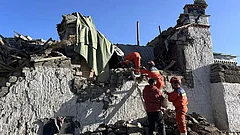
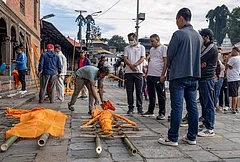
At least 31 people been killed and hundreds of tourists are missing after a huge flash flood swept through villages in Nepal. According to preliminary study reports on the basis of analysis of satellite pictures, the flash flood occurred due to a rock slide caused by an unstable mountain rock mass lying near the Nepal-Tibet border, 20 kms northeast from Tibet-Rasuwagadhi border area, as per PTI.
Dramatic footage shows a torrent of water hitting at the Nepal-China border. The toll is likely to rise.
The flood surged through the Bhote Koshi River at around 9 am (local time) affecting Rasuwa and Dhading districts bordering Tibet, officials said. It then spread to Dhading, Nuwakot and Chitawan districts, damaging at least four permanent bridges and few temporary ones.
Was An Ice Avalanche Behind The Sudden Flood?
The massive flood entered into Trishuli river through Bhotekoshi in Timure due to the rock slide and swelling Lhende river situated in Nepal-Tibet border, said the National Disaster Risk Reduction and Management Authority (NDRRMA), Nepal.


According to the Department of Hydrology and Meteorology, Wednesday’s flooding was not caused by rainfall in Rasuwa.
Nepal's Flood Forecasting Division said in a post on X in the afternoon, “According to information received from the Chinese side, since the lake at the river blockage site has not yet been fully drained, the risk remains in the Bhote Koshi and Trishuli areas” and asked people to stay away from the rivers and remain in a safe places.
“Even though the lake has not been fully drained at the site where the river is blocked, the risk persists in the Bhote Koshi and Trishuli areas, and people are urged to stay away from the river and remain in safe locations until the next update is issued,” the NDRRMA said in a post on X later in the day.

Did An Earthquake Trigger The Avalanche?
Rijan Bhakta Kayastha, a professor at Kathmandu University and climate researcher said an initial assessment suggested that an ice avalanche could have blocked the Lhende River. The resulting obstruction may have caused water to build up before eventually breaking through and producing a sudden flow into the Bhotekoshi River, the Kathmandu Post reported.
Kayastha said the assessment was drawn from early findings and consultations with scientists from Nepal and China. He also pointed to an earthquake that occurred on the Tibetan side at roughly the same time.
The US Geological Survey recorded the earthquake at magnitude 4.4 at 8:37 am, with its epicentre in Tibetan territory about 47 kilometres north of Gosainkunda.


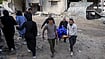
Nepal was struck by a severe and unprecedented flash flood this morning, resulting in the tragic loss of lives, reports of missing persons and extensive damage to homes, roads, bridges, hydropower facilities and other infrastructure in the affected areas.

Grim Reminder Of 2025 Deluge
Last year too, two catastrophic floods hit Bhotekoshi, wreaking havoc in Rasuwa killing at least 10 people in August. Climate experts say an ice-rock avalanche from a glacier on the Nepal side may have blocked the Lhende Khola River, a tributary of the Bhotekoshi, before the blockage gave way and sent a sudden surge downstream.
The Rasuwa district had witnessed a similar disaster in August 2025, when a glacial lake in neighbouring Tibet overflowed amid high temperatures in the mountain region.