



The Centre has revised PUC certificate renewal timelines based on vehicle age and emission standards, effective November 13.
Private BS-VI vehicles up to six years old will need renewal every three years, while commercial vehicles will renew every two years.
Delhi authorities issued 25,610 challans and imposed fines worth ₹5.42 crore for invalid PUC certificates between November 1 and 17.
The Central government has revised the renewal cycle for Pollution Under Control (PUC) certificates, giving newer vehicles longer intervals between emissions checks while retaining shorter renewal periods for older vehicles.
The changes were notified by the Ministry of Road Transport and Highways on November 13 and took effect from the date of publication in the Official Gazette.
According to PTI, the revised framework extends certificate validity for BS-VI private and commercial vehicles in lower age brackets. In Delhi, enforcement has moved in the opposite direction as air pollution worsens.
Authorities in the capital issued challans to 25,610 vehicles for operating without valid PUC certificates between November 1 and 17. They also imposed cumulative fines of ₹5.42 crore during the same period.

Private Vehicle Rules
Privately owned BS-VI vehicles up to six years old will now need to renew their PUC certificates once every three years. For private vehicles more than six years old but not more than 10 years old, renewal will be required annually. Private vehicles older than 10 years will continue to need a fresh PUC certificate every six months.



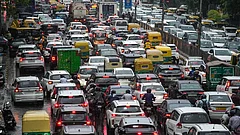
The revised framework also retains shorter validity periods for older emission categories. Vehicles that meet BS-I, BS-II and BS-III norms will have PUC certificates valid for three months, while BS-IV vehicles will get a six-month validity period.

Commercial Vehicle Changes
Transport vehicles that meet BS-VI norms and are up to six years old will now need a new PUC certificate every two years. Commercial vehicles more than six years old but not more than 10 years old will require annual renewals. Commercial vehicles older than 10 years will remain under the existing six-month renewal rule.
These changes were introduced through the Central Motor Vehicles (Sixteenth Amendment) Rules, 2026, under the Motor Vehicles Act, 1988. The provisions came into effect on the date of their publication in the Official Gazette.

Renewal Timing
If a vehicle owner applies for renewal within the 10 days immediately preceding the expiry of the existing certificate, the validity of the fresh certificate will begin from the previous certificate's expiry date. If the owner applies after the existing certificate has expired, the new validity period will begin from the date of renewal.
Certificates issued before the amended rules came into effect will not be changed immediately. The revised validity cycle will apply to them only when owners seek their first renewal under the new rules.

Delhi Pollution Crackdown
Between November 1 and 17, authorities turned away 30,742 non-BS-VI vehicles at the city's borders. During the same period, they penalised 2,817 vehicles and seized 189 vehicles.
These figures were presented to Chief Minister Rekha Gupta at a meeting on Tuesday, where officials reviewed measures to contain rising air pollution in the capital. The Chief Minister's Office stated that between January and November 16, enforcement agencies had seized 41,659 old polluting vehicles and sent 64,800 vehicles for scrapping.
Over the past 12 months, Automatic Number Plate Recognition (ANPR) cameras detected 7,055 old vehicles meeting BS-III emission standards or lower, according to the Chief Minister's Office statement. Authorities also examined 1,81,548 vehicles registered outside Delhi that did not meet BS-VI standards. CNG and electric vehicles were excluded from these inspection figures.








