



Delhi court rejects bail pleas of Sagar Sharma and Manoranjan in Parliament breach case.
Prosecution alleges premeditated conspiracy involving smoke canisters, modified shoes and encrypted messaging applications.
Court invokes UAPA restrictions, ruling allegations prima facie true against both accused.
A Delhi court has rejected the regular bail applications of Sagar Sharma and Manoranjan D, two accused in the December 2023 Parliament security breach case, observing that the allegations against them were “grave and serious” and that there were reasonable grounds to believe they were prima facie true.
Special Court (NIA Act/UAPA) Presiding Officer Kiran Bansal dismissed their second bail applications in an order passed on November 13. The court noted that the alleged incident had disrupted parliamentary proceedings and caused panic among Members of Parliament and visitors.

Parliament Breach Case
According to the prosecution, on December 13, 2023, at around 1.01 pm, Sharma and Manoranjan jumped from the visitors' gallery into the Lok Sabha chamber while the House was in session. Sharma allegedly moved towards the Well of the House and released smoke from a canister concealed in his shoe. Manoranjan also allegedly set off a coloured smoke canister.
The incident filled the chamber with yellow smoke, bringing proceedings to a halt. The prosecution said the breach was coordinated with a simultaneous protest outside Parliament, where other accused allegedly released coloured smoke and raised slogans.

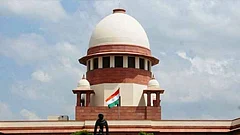


The two accused had sought bail on the grounds of parity with co-accused Neelam Azad and Mahesh Kumawat, who were granted bail by the Delhi High Court in July 2025. However, the court said their roles were different. It noted that Azad had remained outside Parliament, while Kumawat was not in Delhi on the day of the incident.

Conspiracy Allegations
Opposing the bail pleas, the prosecution alleged that the breach was part of a premeditated conspiracy. The accused had allegedly conducted reconnaissance of Parliament, held meetings, procured smoke canisters and modified sports shoes to conceal them. Investigators also alleged that the group used encrypted messaging applications and destroyed digital devices to conceal evidence.
The court referred to Section 43D(5) of the Unlawful Activities (Prevention) Act (UAPA), which restricts bail where accusations are prima facie true. It also rejected the argument that prolonged custody and the expected delay in trial justified their release.
Both bail applications were consequently dismissed.








