A large group of TMC legislators and MPs has rebelled after the party's 2026 election defeat in West Bengal.
The revolt has triggered a legal and political battle over control of the party and its future direction.
Mamata Banerjee and the rebel faction are now locked in a high-stakes fight that could permanently reshape Bengal politics.
From Nandigram To Rebellion: How The TMC's Bengal Empire Began To Fracture
The Trinamool Congress faces its biggest internal crisis as rebel MLAs and MPs challenge Mamata Banerjee's leadership following the party's 2026 West Bengal election defeat.

Summary
The All India Trinamool Congress is battling an unprecedented internal rebellion that threatens to permanently splinter the party following its historic defeat in the 2026 West Bengal Assembly elections. In a rapidly escalating coup spanning Kolkata and New Delhi, a dominant faction of state legislators and a powerful camp of federal MPs have openly broken ranks, throwing Mamata Banerjee’s twenty-eight-year absolute grip on the regional outfit into total disarray. The sudden fracture has triggered a high-stakes constitutional showdown over who legally controls the party's institutional identity, its symbols, and its remaining political capital.
The catastrophic fallout stems from a perfect storm of long-simmering generational resentment and the sudden, jarring loss of state patronage. After crushing the Left Front in 2011 and surviving a fierce BJP challenge in 2021, the TMC’s highly centralised command structure finally buckled under the weight of severe anti-incumbency and fierce internal division between 2024 and 2025. Without the glue of administrative power to hold its warring factions together, the party’s defeat at the polls has converted a long-running internal cold war between veterans and modernisers into an open scramble for political survival.
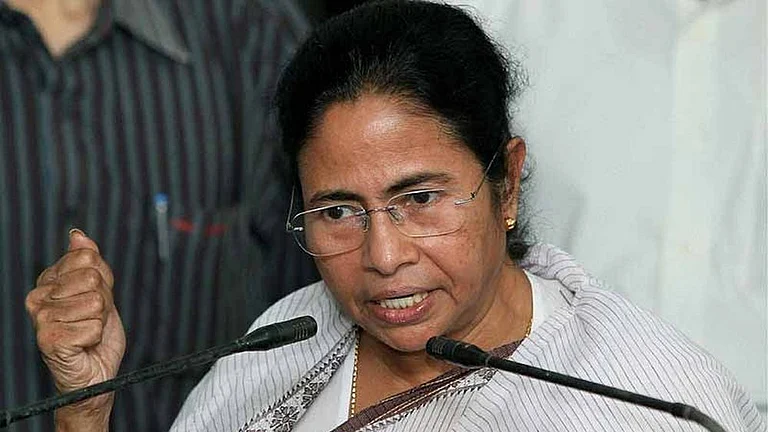
From Nandigram to Structural Strain
The roots of the current implosion go back to the party’s inception in 1998, when Mamata Banerjee walked out of the Indian National Congress to build an aggressive, street-fighting regional force. The defining catalyst came during the violent anti-land acquisition movements in Singur and Nandigram, which swept the party to power in 2011 and ended more than three decades of Left Front governance. For years, the TMC ruled Bengal through a formidable grassroots machinery fueled by popular welfare schemes and intense regional pride.
The first major crack in this foundation appeared during the 2021 assembly elections. While the TMC defended its turf successfully, the polls firmly established the BJP as the sole potent challenger in the state, wiping out the traditional Left-Congress opposition. Between 2024 and 2025, organizational friction turned toxic.
A bitter generational divide opened up between the old guard loyal to Mamata Banerjee and a corporate-style managerial faction surrounding her nephew and national general secretary, Abhishek Banerjee. The heavy deployment of political consultancies and centralised command structures deeply alienated veteran district leaders, who felt stripped of their local authority and bypassed by a detached leadership elite.
Advertisement
The 2026 Electoral Debacle
The breaking point arrived with the 2026 state elections. Battered by corruption scandals, local fury over the distribution of central housing funds, and a pervasive anti-incumbency wave, the TMC suffered an unprecedented rout. The BJP swept past the two-hundred-seat mark to secure a comfortable majority, dramatically ending fifteen years of TMC rule. In a final symbolic blow, Chief Minister Mamata Banerjee lost her own seat in Bhabanipur to her former lieutenant turned adversary, Suvendu Adhikari, by over fifteen thousand votes.
The loss of Nabanna—the state secretariat—instantly shattered the patronage network that kept the party’s regional satraps in line. Within days of the results, local leaders, realizing that the central leadership could no longer protect or fund them, began planning their exits.
.png?auto=format%2Ccompress&fit=max&format=webp&w=768&dpr=1.0)
The Fluid Parliamentary and Legislative Mutiny
The crisis exploded into open defiance across both the state assembly and the national parliament, with alignment numbers moving quickly as the days progress. In Kolkata, the rebellion has steadily expanded. While a group of 58 MLAs originally initiated the breakaway under the leadership of Ritabrata Banerjee, recent claims from the dissident camp indicate their numbers have since swelled, with rebels asserting they now command the support of up to 64 of the party’s 80 remaining legislators. Operating under the banner of a "constructive opposition," this group has successfully shaken the high command's authority on the assembly floor.
Advertisement
The damage in New Delhi is equally severe but heavily contested. A steady wave of high-profile resignations has battered the party's strength in the Rajya Sabha, while a major fault line has ripped through the Lok Sabha. A dissident group that has variously been reported as being led by veteran MP Kakoli Ghosh Dastidar and, in subsequent developments, by MP Jagadish Chandra Basunia, has submitted a formal petition to Speaker Om Birla seeking recognition as a separate legislative bloc.
The rebels claim to have the backing of between 19 and 20 of the TMC’s 28 Lok Sabha members—hitting or closely approaching the critical two-thirds threshold that could become relevant in any anti-defection or merger-related proceedings. However, this absolute figure remains under intense dispute. Loyalist leaders have fiercely challenged the validity of the signatures, labeling the rebel claims a exaggeration, while the parliamentary dissidents have discarded all pretences of neutrality by openly offering external support to the BJP-led National Democratic Alliance at the centre.
Advertisement

The Current Showdown and Legal Impasse
The conflict has now transformed into a bitter, multi-layered legal war for institutional survival. The loyalist faction, rallying around Mamata and Abhishek Banerjee, has branded the rebels as defectors and moved aggressively to demand their absolute disqualification. The party high command's legal strategy hinges on the strict interpretation of the Tenth Schedule, arguing that the anti-defection law does not permit a breakaway faction to simply exist as an independent bloc; they maintain that crossing a two-thirds threshold is legally meaningless unless the rebels execute a wholesale merger with another existing political entity.
The rebel factions counter that they represent the genuine, original spirit of the Trinamool Congress, arguing that the current leadership has lost its democratic mandate. With rebel leaders holding strategy sessions with central ministers in the capital and the grassroots cadre in Bengal completely paralyzed, the TMC is fighting its final, most dangerous battle. The resolution of this intricate constitutional impasse by the respective Speakers will decide whether the party can limp on as a diminished force or if it is destined for permanent liquidation.
Advertisement
Published At: