The Centre has asked Delhi Gymkhana Club to vacate its Safdarjung Road premises by June 5 citing defence and security needs.
The government is invoking a public-purpose clause in the club’s 1928 perpetual lease agreement.
The dispute has reached the Delhi High Court after a member challenged the eviction notice.
Explained: Why The Government Wants Delhi Gymkhana Club To Vacate Its Lutyens’ Delhi Premises
The Centre has asked the Delhi Gymkhana Club to vacate its Safdarjung Road property by June 5, citing defence and security requirements. Here is what triggered the dispute, the legal basis behind the move, and what happens next.

Summary
The Union government has ordered the Delhi Gymkhana Club to vacate its Safdarjung Road premises by June 5, citing defence and public security requirements, in a move that has triggered a legal confrontation over one of the capital’s oldest private institutions.
In a notice received on May 22, the Land and Development Office (L&DO) under the Ministry of Housing and Urban Affairs directed the club to hand over possession of the 27.3-acre property in Lutyens’ Delhi. The government said the land was required for “strengthening and securing defence infrastructure” and other public purposes. The notice initiated what it described as “re-entry” and “resumption” proceedings under the club’s lease agreement.
The order marks the latest escalation in the Centre’s long-running dispute with the club over governance, finances and the use of government land in central Delhi. The matter has now reached the Delhi High Court after a club member challenged the eviction notice.

What happened?
The government’s notice asked the Delhi Gymkhana Club to vacate its premises at 2, Safdarjung Road within two weeks. Officials said the property falls within a “highly sensitive and strategic area” and is needed for defence-related infrastructure and security operations.
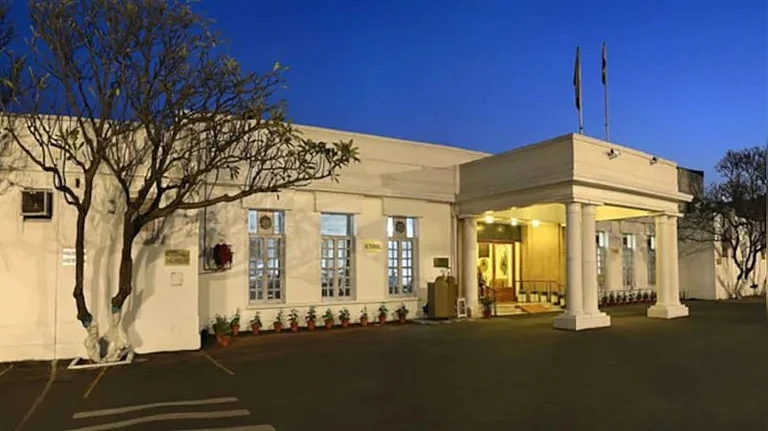
The Delhi Gymkhana Club was established in 1913 as the Imperial Delhi Gymkhana Club during British rule. The land at Safdarjung Road was allotted to the club on a perpetual lease in 1928, while the present buildings were constructed in the 1930s.
The latest order came shortly after the government sought around Rs 47 crore from the club in alleged dues linked to revised lease charges and other liabilities. Some club members told TOI they had expected negotiations over the dues issue rather than an eviction order.

Advertisement
Why now?
The dispute between the Centre and the club has been building for several years.
In 2020, the Ministry of Corporate Affairs moved the National Company Law Tribunal (NCLT), alleging mismanagement and governance failures at the club. In 2021, the National Company Law Appellate Tribunal (NCLAT) suspended the club’s general committee. Subsequent tribunal proceedings permitted greater government oversight of the club’s management.
The government repeatedly questioned the manner in which the club was being run, including its membership practices and financial management. During earlier court proceedings, government counsel argued that the institution had drifted away from its original purpose as a sports and recreational club.
The latest notice formally invokes powers available under the lease agreement while linking the land requirement to security and defence concerns in central Delhi.
What is the legal basis?
The Centre’s action is based on the perpetual lease deed under which the land was allotted to the club in 1928.
Advertisement
According to the lease conditions, the government retains the authority to resume possession of the property if the land is required for a “public purpose”. Officials are relying on that clause to justify the current eviction notice.
The government also maintains that the land belongs to the Centre and that the club occupies the premises under a perpetual lease arrangement.
The legal challenge from the club is expected to focus on procedure rather than ownership. Members are likely to argue that the notice period is unreasonably short and that the government did not provide adequate opportunity for the club to respond before initiating resumption proceedings.
Lawyers associated with the club are also expected to question whether sufficient reasons were disclosed to justify immediate possession of the property.
What is the security argument?
The government’s case rests heavily on the location of the property.
Advertisement
The club is situated close to key government establishments and high-security areas in central Delhi. In its notice, the Centre specifically referred to the need for strengthening defence infrastructure and securing public operations.
The government has not publicly disclosed what specific infrastructure is planned for the site or which agency may ultimately use the land. The notice states that the requirement is linked to security and strategic concerns in the area surrounding central government establishments.
Can the club challenge it?
Yes. The Delhi High Court is scheduled to hear a plea challenging the eviction notice.
The court is likely to examine whether the government followed due process before ordering the club to vacate the property and whether the principles of natural justice were adequately observed. The club may also seek an interim stay on the notice.
The Centre, meanwhile, is expected to defend the decision by relying on the lease conditions and the security rationale cited in the notice.
Advertisement
The case could test how far the Centre can use public-purpose clauses to reclaim leased land occupied by long-standing private institutions in the capital.
Published At: