



Transport and information technology have made crime, money and grievance borderless. The citizen is not — she still has an address, and she cannot forward her son. A former state police chief on why the answer to a borderless problem is not a borderless officer but a name written on the ground.


About The Author
Director General of Police, & Head of the Haryana State Narcotics Control Bureau
Every teenager already knows drugs are harmful. What keeps young people safe is a better way to spend the evening and a future worth protecting.
On Independence Day we count what the state has built. We have never built an instrument to count the thing it does best, says O.P. Singh, former DGP, Haryana.
The crowd on our streets is younger, connected and recording everything. That is a new job description for the Indian policeman — and the good news is that we already know what it requires. We simply have not yet taught it.
O. P. Singh argues that while India's CPGRAMS grievance portal has transformed citizen access to government, the real challenge lies in tackling administrative inaction. He calls for using AI to identify stalled decisions and reform accountability systems to reward timely, honest decision-making.
The national capital's police have been ordered to buy more cameras, more drones, and more facial recognition. Four decades of global evidence and the texture of India's own streets say the gadgets are the least of what makes a city safe — and that the unfashionable lines in the same order are where the safety actually lives.
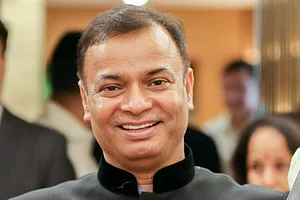
Not corruption, not sloth — a rational fear holds the file. A former DGP on the hidden tax of a slow state
The Supreme Court asked why governments keep funding cash transfers despite mounting deficits. The answer is not in the party manifesto. It is at the government window where a file has been pending for four months and no one is willing to decide it.
O. P. Singh’s “Fear Tax” frames Middle East instability as a global cost: fear fuels arms, spikes prices, and shifts resources, making the world pay for conflicts it didn’t start.
The “fear tax” describes the hidden social cost when rare incidents trigger outrage, media amplification, and stricter rules—leading to slower institutions, rigid policies, and declining public trust.

Newsletter
Signup for Outlook and get curated content to your inbox everyday.