Xi told APEC leaders in Shenzhen that China backs free and open trade and opposes protectionism.
His speech followed new US AI chip curbs, which China condemned and vowed to answer.
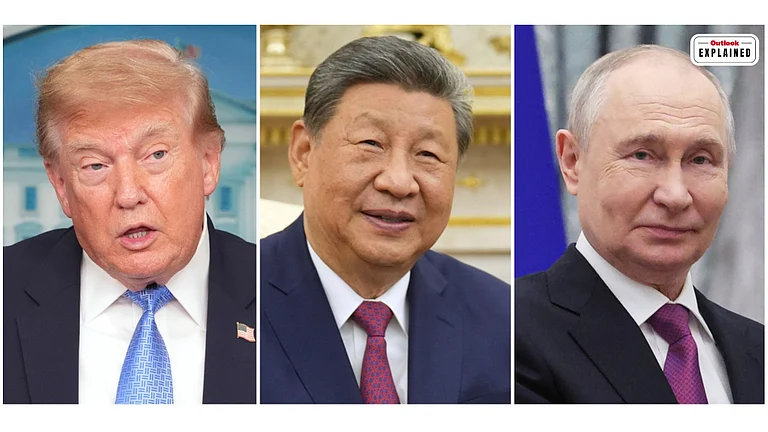
Trump, Xi and Putin will meet on Thursday, with smaller powers fearing a Yalta-style deal.
US-China Trade War: Xi Calls For Open Markets At APEC Summit
At the APEC CEO summit in Shenzhen, Xi Jinping pitched free and open trade just days after Washington tightened AI chip curbs, setting the stage for a rare Trump-Xi-Putin meeting

Summary
Xi Jinping chose his stage with care. In Shenzhen, China’s southern tech hub, the Chinese president told an audience of business executives on Wednesday that the Asia-Pacific should back “free and open trade”. He promised lower tariffs, wider market access and a stand against protectionism and unilateralism. Two days earlier, Washington had tightened its grip on advanced AI chips. Beijing has vowed to hit back. That was the backdrop to a speech about openness.
A Speech Against Its Backdrop
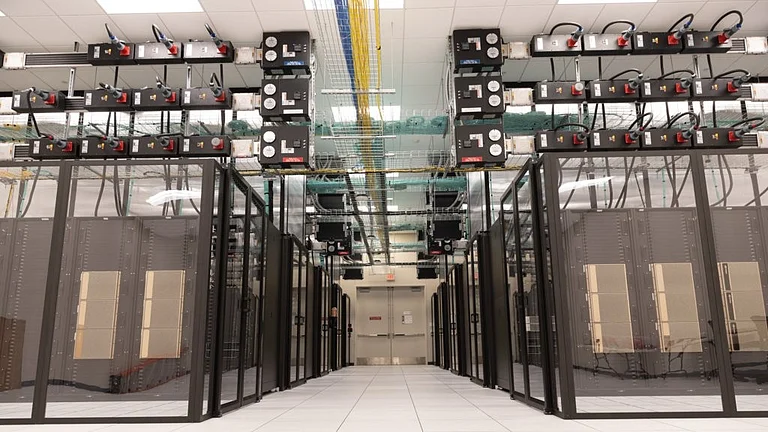
The new US rules demand export licences for advanced chip shipments to Singapore, Thailand, Malaysia, Indonesia and Brazil, and target overseas data centres through which Chinese firms rent computing power they cannot buy directly. They take effect on 19 November. China’s foreign ministry has called the curbs economic coercion. India is not among the five countries named.
The curbs follow a row over Nvidia chips said to have been diverted to China, and lawmakers from both US parties want tougher controls. Remote access alone could account for a quarter of China’s AI computing capacity by the end of this year, according to a think-tank estimate.
Xi’s pitch carries its own baggage. Western partners accuse China of running annual trade surpluses above $1 trillion on policies that favour its manufacturers over its consumers, and fret that its hold on supply chains gives Beijing geopolitical leverage. Beijing answers that its growth model suits an economy still catching up with the richest. Analyst George Chen expects the message to resonate across the Global South and sharpen the contrast with Washington’s technology strategy.
Three Leaders, One Table, Anxious Capitals
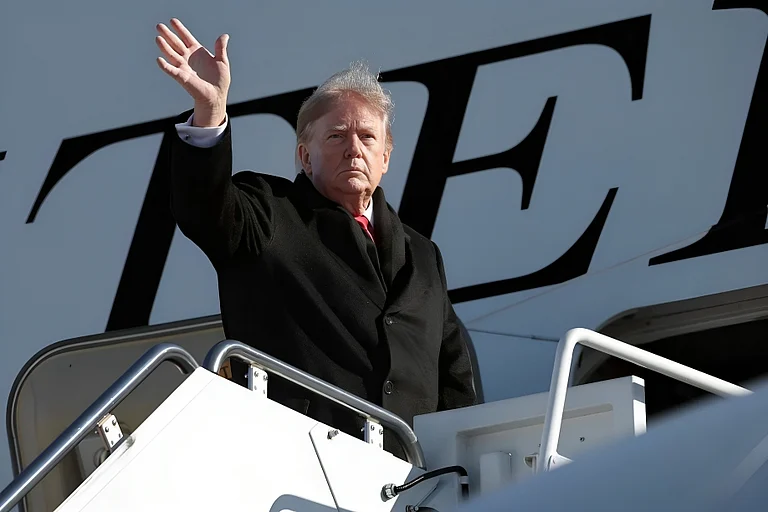
The real event comes on Thursday. Donald Trump, arriving from Manila after meetings with Asean and the Quad, will have a working lunch with Xi before both sit down with Vladimir Putin. On the agenda: the Iran and Ukraine wars, trade, AI and nuclear weapons. Putin arrives after Ukraine destroyed the Kerch road bridge linking Crimea to Russia.
Advertisement
The Yalta comparisons have been relentless. The Kremlin calls them games of political scientists, while Beijing says the meeting is of groundbreaking significance. Smaller powers in Europe and Asia worry about a deal struck over their heads. Most Western observers expect little beyond a photo opportunity. Most analysts still expect Washington and Beijing to keep ties steady, with Trump and Xi due to meet again at the G20 in Miami in December.
India, which is not among APEC’s 21 economies, will watch from outside the room. On Tuesday, Prime Minister Narendra Modi and fellow Quad leaders announced new maritime surveillance, exercise and cybersecurity initiatives, a reminder that Delhi has tables of its own.
Xi spent Wednesday arguing for open doors. On Thursday, three nuclear powers will test who is let through them.
Published At:
Tags